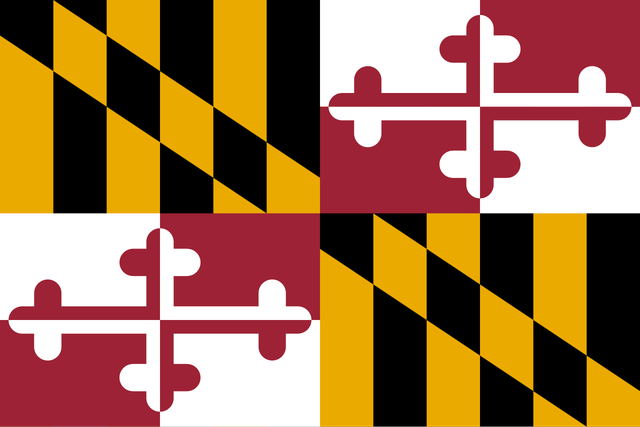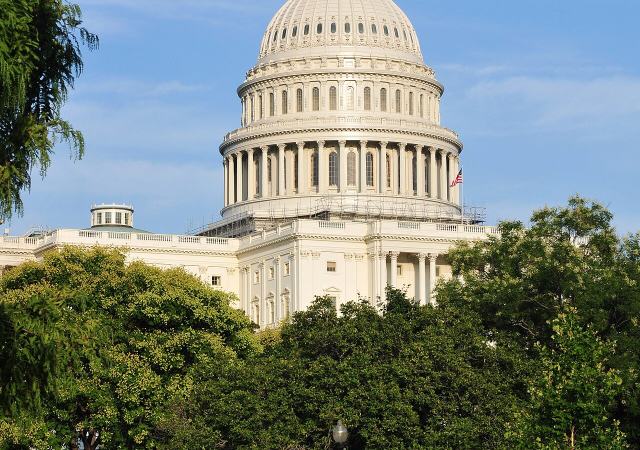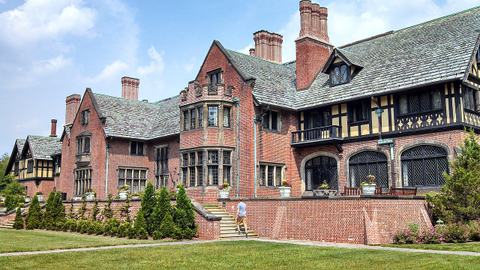
Montgomery County, Maryland, combines the institutions and neighborhoods of metropolitan Washington with farmland, historic towns and protected natural areas. Rockville is its county seat, while Bethesda, Silver Spring and Gaithersburg are among its best-known communities.
READ: Maryland: Biography, History and Chesapeake Identity
The county is closely connected to the nation’s capital, but it has a distinct civic identity. Its public schools, research economy, transportation networks and land-use policies help shape life across the wider Washington region.
Montgomery county, maryland: Origins and Historical Development
READ: Washington, D.C.: Biography, History and Civic Life
Created in 1776 from part of Frederick County, Montgomery County was named for Richard Montgomery, a Continental Army general killed during the American Revolutionary War. Its establishment came as Maryland and the other colonies were moving toward independence.
Indigenous communities lived in the region long before European settlement. Under colonial rule, agriculture became central to the local economy. Enslaved African Americans supplied labor on farms and in households, making slavery an important part of the county’s early history.
Rockville developed as the center of county government. During the nineteenth century, roads, canals and rail connections gradually changed how residents and goods moved through the area. The Chesapeake and Ohio Canal followed the Potomac River along the county’s southwestern edge.
Suburban development accelerated in the twentieth century, especially as the federal government expanded. Communities near Washington grew into residential and commercial centers, while much of the county’s northern and western landscape retained its rural character.
Geography and Communities
Montgomery County lies directly northwest of Washington, D.C. The Potomac River separates it from Virginia, while neighboring Maryland jurisdictions include Frederick, Howard and Prince George’s counties.
Its communities differ considerably in size, density and character. Bethesda and Silver Spring have major employment and commercial districts. Rockville and Gaithersburg are incorporated cities with their own municipal governments, while many other well-known places are unincorporated communities.
The county’s population exceeds one million, making it Maryland’s most populous county in the 2020 census. Immigration has helped create a multilingual population with roots across the world. That diversity is reflected in local businesses, religious institutions, restaurants and schools.
Beyond its developed corridors, parks and agricultural land remain defining features. The Agricultural Reserve, established in 1980, is a nationally recognized effort to protect farming and rural landscapes from widespread suburban development.
Government and Public Life
Montgomery County operates under a charter government with an elected county executive and County Council. The executive leads the administration, while the council passes local legislation, approves budgets and oversees county government.
This structure gives county leadership substantial responsibility for services and long-term planning. Housing, transportation, public safety, environmental protection and economic development are recurring subjects of local debate.
Montgomery County Public Schools is a major public institution, governed by an elected Board of Education. Montgomery College provides community college education and workforce training at campuses in Rockville, Germantown and Takoma Park/Silver Spring.
Research, Transportation and Identity
Federal science and health institutions anchor the local economy. The National Institutes of Health is based in Bethesda, the National Institute of Standards and Technology in Gaithersburg, and the Food and Drug Administration has its headquarters campus in White Oak.
READ: Nigeria: Biography, History and Cultural Influence
These institutions support a wider concentration of biotechnology companies, medical research and professional services. The county also has strong economic links to federal agencies and employers elsewhere in the Washington region.
Metrorail’s Red Line, MARC commuter rail, local buses and major highways connect residents to jobs and neighboring communities. Managing growth around those connections remains central to the county’s identity: a place balancing metropolitan opportunity, public services and preservation of its rural landscape.
More from Global News Biography. Further reading: Montgomery county, maryland on Wikipedia.
Are you interested in learning how to write professionally and earn money as a writer and content creator? Contact Auxi Chat today to start your writing journey immediately.
Need a professional website in 72 hours? Contact Auxi Chat
If you have an article, opinion piece, event or news story you would like published, Global News Arena would love to hear from you.