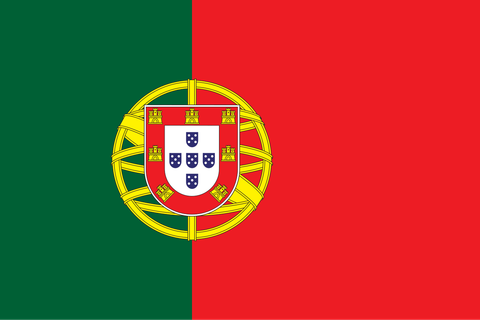
Euro 2004 occupies a distinctive place in European football history. Hosted by Portugal, the tournament combined attacking talent, dramatic knockout matches and an outcome that few had expected. Greece became European champions for the first time, defeating the host nation in the final.
READ: Euro 2016: Biography, History and Portugal's Triumph
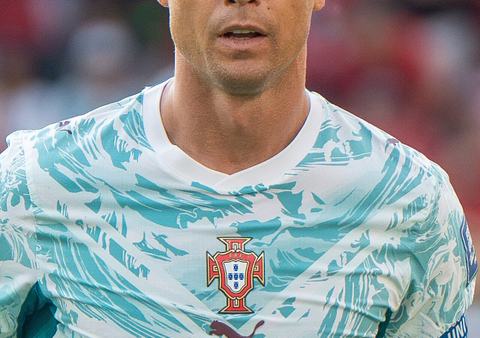
For Portugal, it was both a landmark achievement and a painful missed opportunity. A team featuring established stars and a teenage Cristiano Ronaldo came close to winning its first major senior international trophy on home soil.
Read: Do you need a professional writer in 72 hours? Contact Auxi Chat
Euro 2004: Portugal's tournament
READ: Greece: Biography, History and National Identity
The 2004 UEFA European Championship ran from 12 June to 4 July. Sixteen national teams competed, initially divided into four groups. The top two teams in each group advanced to the quarterfinals, followed by semifinals and the final.
Matches were played at ten stadiums across eight Portuguese cities. Lisbon's Estadio da Luz hosted the final, while Porto's Estadio do Dragao staged the opening match. The competition gave Portugal a prominent international stage and left a lasting mark on its football infrastructure.
Read: Need a professional website in 72 hours? Contact Auxi Chat
France arrived as defending European champions, having won the title in 2000. Other leading contenders included Italy, Germany, Spain, England and the Netherlands. Greece, by contrast, had never won a match at a major international tournament before arriving in Portugal.
The hosts find their way
Portugal were coached by Luiz Felipe Scolari, who had led Brazil to World Cup victory in 2002. His squad brought together experienced players such as Luis Figo and Rui Costa with emerging talents including Ronaldo. Deco, a central figure in Porto's 2004 Champions League triumph, also played an important role.
The opening match immediately upset expectations. Greece defeated Portugal 2-1 in Porto, with Ronaldo scoring a late consolation goal. The result left the hosts under pressure to recover quickly.
Portugal responded by beating Russia 2-0 and Spain 1-0 to finish first in their group. Against England in the quarterfinals, they drew 2-2 after extra time before winning a penalty shootout. Goalkeeper Ricardo saved Darius Vassell's penalty and then scored the decisive kick himself.
A 2-1 semifinal victory over the Netherlands took Portugal into their first European Championship final. Ronaldo and Maniche scored, bringing the home side within one match of the title.
Greece's remarkable rise
Greece's success was built around organisation, collective discipline and effective defending under German coach Otto Rehhagel. Rather than relying on celebrated individual attackers, they restricted opponents' opportunities and made decisive use of their own chances.
After beating Portugal, Greece drew with Spain and lost to Russia, but still progressed from the group. They then defeated France 1-0 in the quarterfinals through an Angelos Charisteas header.
In the semifinal, Greece overcame a highly regarded Czech Republic team. Traianos Dellas scored the only goal just before the end of the first period of extra time. Under the silver goal rule used at the tournament, that lead ended the match.
The final and lasting legacy
The final reunited Portugal and Greece in Lisbon. Charisteas headed in a corner during the second half, and Greece protected their lead to win 1-0. Captain Theodoros Zagorakis, later named player of the tournament, lifted the trophy.
READ: European Championship: Biography, History and Legacy
Elsewhere, Czech striker Milan Baros finished as leading scorer with five goals, while England's Wayne Rooney emerged as another outstanding young performer. France, Italy, Germany and Spain all departed before the semifinals.
Euro 2004 remains a defining example of teamwork overcoming reputation. For Portugal, the final became a formative chapter in Ronaldo's international career. For Greece, it remains the country's greatest football achievement, a championship earned through preparation, resilience and belief.
More from Global News Biography. Further reading: Euro 2004 on Wikipedia.
Are you interested in learning how to write professionally and earn money as a writer and content creator? Contact Auxi Chat today to start your writing journey immediately.
Need a professional website in 72 hours? Contact Auxi Chat
If you have an article, opinion piece, event or news story you would like published, Global News Arena would love to hear from you.