Euro 2016 was the 15th edition of the UEFA European Championship, the continental tournament for men's national teams. Held in France from 10 June to 10 July 2016, it combined an expanded format with unexpected contenders and a final that transformed Portugal's football history.
READ: Euro 2004: Biography, History and Portugal's Final
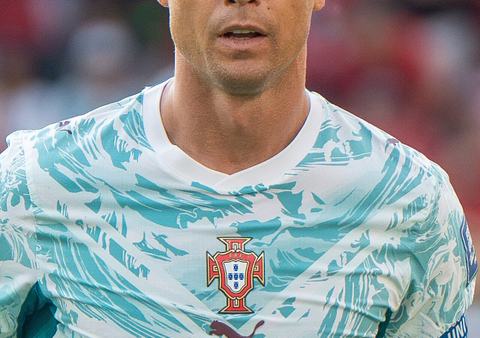
Portugal arrived with Cristiano Ronaldo as its leading player and Fernando Santos as head coach. Its eventual success was built less on attacking dominance than on organisation, resilience and the ability to survive close matches.
Read: Do you need a professional writer in 72 hours? Contact Auxi Chat
Euro 2016: Origins and the expanded format
READ: UEFA Nations League: Biography, History and Format
The European Championship began in 1960, with France hosting the inaugural final tournament. France staged the competition again in 1984, when its national team won the title, before welcoming Europe's leading sides back in 2016.
Euro 2016 was the first edition to feature 24 teams, an increase from the 16 used between 1996 and 2012. The teams were divided into six groups of four. The top two in each group and the four best third-placed teams advanced to a newly introduced round of 16.
Read: Need a professional website in 72 hours? Contact Auxi Chat
Matches were played across 10 venues, including stadiums in Paris, Marseille, Lyon, Lille and Bordeaux. The Stade de France in Saint-Denis hosted both the opening match and the final.
The larger field gave more countries a place on the European stage. Albania, Iceland, Northern Ireland, Slovakia and Wales made their first appearances at a European Championship final tournament.
A tournament of unexpected journeys
Several less-fancied teams became central to the competition's story. Iceland reached the quarter-finals, eliminating England in the round of 16 before losing to France. Its performances and supporters' rhythmic clapping celebration became lasting images of the tournament.
Wales went further, reaching the semi-finals on its European Championship debut. Led on the pitch by Gareth Bale and captained by Ashley Williams, the team defeated Belgium 3-1 in the quarter-finals before Portugal ended its run.
Defending champion Spain, which had won the previous two editions, was eliminated by Italy in the round of 16. Germany reached the semi-finals but lost to France, whose forward Antoine Griezmann finished as the tournament's leading scorer with six goals.
Portugal's route to the title
Portugal's group campaign gave little indication of a comfortable title challenge. Draws against Iceland, Austria and Hungary left Santos's side third in its group. The expanded qualification system allowed it to progress without winning a match.
In the knockout rounds, Portugal found a more effective rhythm. Ricardo Quaresma scored the extra-time winner against Croatia in the round of 16. A penalty shootout victory over Poland followed in the quarter-finals.
Portugal then beat Wales 2-0 in the semi-final, with goals from Ronaldo and Nani. It was the team's only victory inside 90 minutes during the tournament, underlining how narrow its path to the trophy had been.
The final and its lasting significance
The final against France presented an early setback when Ronaldo suffered a knee injury and was forced off in the first half. Portugal adapted without its captain, while goalkeeper Rui Patricio and a disciplined defence helped keep the hosts scoreless.
Substitute Eder provided the decisive moment in extra time, striking from outside the penalty area to secure a 1-0 victory. Portugal became European champion for the first time.
READ: European Championship: Biography, History and Legacy
The result carried particular weight after Portugal's defeat by Greece in the Euro 2004 final on home soil. Twelve years later, it was Portugal that overcame the host nation to lift the trophy.
Euro 2016 remains a landmark in Portuguese sport and in the championship's evolution. Its expanded format offered new opportunities, while its outcome demonstrated how collective discipline and endurance could shape a major international tournament.
More from Global News Biography. Further reading: Euro 2016 on Wikipedia.
Are you interested in learning how to write professionally and earn money as a writer and content creator? Contact Auxi Chat today to start your writing journey immediately.
Need a professional website in 72 hours? Contact Auxi Chat
If you have an article, opinion piece, event or news story you would like published, Global News Arena would love to hear from you.