The West End is both an area of central London and a name closely associated with its commercial theatre industry. In the performing arts, a West End credit usually means appearing in a production at one of the district's recognised theatres.
READ: Mountview Academy of Theatre Arts: Biography, History and Legacy
It is not a single venue, company or organisation. Instead, it is a network of theatres, producers, performers and backstage workers whose productions attract audiences from Britain and around the world.
Origins and theatre history
READ: Timbaland: Biography, Career and Musical Influence
The geographical name describes an area west of the historic City of London. Its boundaries are informal, while its theatre district is concentrated around places including Shaftesbury Avenue, the Strand, Covent Garden and Leicester Square.
The West End's theatrical history stretches back centuries. Theatre Royal Drury Lane traces its origins to 1663, although the building standing there is a later replacement. Its long history reflects the district's enduring association with live performance.
During the nineteenth century, London's expanding population and appetite for entertainment helped support the growth of theatre. Many familiar West End venues were built or substantially rebuilt during the Victorian and Edwardian periods.
Over time, the district became especially associated with commercially produced plays and musicals. Its identity combines that business tradition with artistic ambition, architectural heritage and the collective experience of a live audience.
Landmark venues and productions
The West End contains theatres with distinct histories and personalities. Theatre Royal Drury Lane, the London Palladium, the Lyceum Theatre and the Theatre Royal Haymarket are among its widely recognised venues.
These buildings differ in scale, layout and atmosphere. Some are closely associated with large musicals, while others regularly present plays, comedy or visiting performers. Their programmes can change as productions open, transfer or finish their runs.
Long-running shows have become an important part of the West End's public image. Les Misérables, The Phantom of the Opera and The Mousetrap are closely connected with its history, alongside newer productions and revivals.
The district is often compared with Broadway in New York. Both are major centres of commercial theatre, and successful productions frequently travel between them. Neither label represents every kind of theatre made in its respective city.
Performers, training and careers
For actors, singers and dancers, working in the West End can be a significant professional achievement. Productions bring together established names, experienced ensemble members, understudies and performers making their first major appearances.
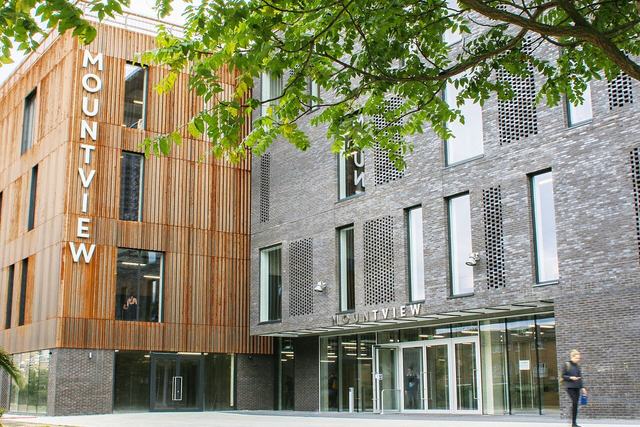
Drama schools and performing arts colleges often refer to graduates' West End work when describing their professional careers. This is the context in which the district appears in accounts of Mountview's performing alumni: it identifies an important part of the professional theatre world in which graduates may work.
A West End credit is not a qualification or an award. It describes professional experience, and the role, production and venue provide the fuller picture of an individual performer's contribution.
The work also extends far beyond the stage. Directors, choreographers, musicians, designers, stage managers, technicians and front-of-house teams all help turn a production into a repeatable live experience.
Cultural importance and lasting identity
READ: Obong of Calabar: Biography, Career and Royal Legacy
The West End contributes to London's reputation as an international cultural destination. Theatre visits also support the surrounding restaurants, hotels and other businesses, linking performance to the wider life of central London.
Its commercial character distinguishes it from, but does not separate it completely from, subsidised and smaller-scale theatre. Productions and performers move between these settings, bringing different approaches and audiences into the district.
The West End's lasting importance lies in that combination of continuity and renewal. Historic auditoriums provide a setting for familiar stories, fresh interpretations and new writing, while each generation of theatre workers adds to its evolving identity.
Are you interested in learning how to write professionally and earn money as a writer and content creator? Contact Auxi Chat today to start your writing journey immediately.
Need a professional website in 72 hours? Contact Auxi Chat
If you have an article, opinion piece, event or news story you would like published, Global News Arena would love to hear from you.