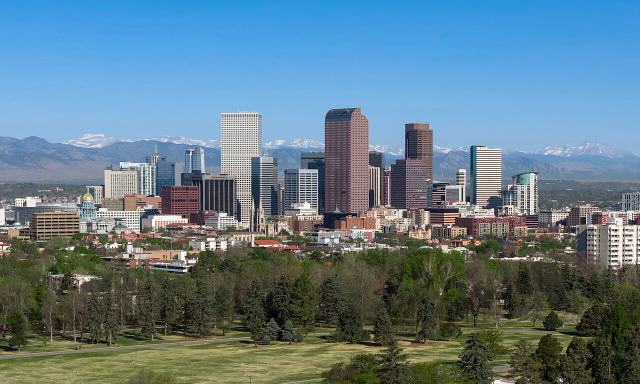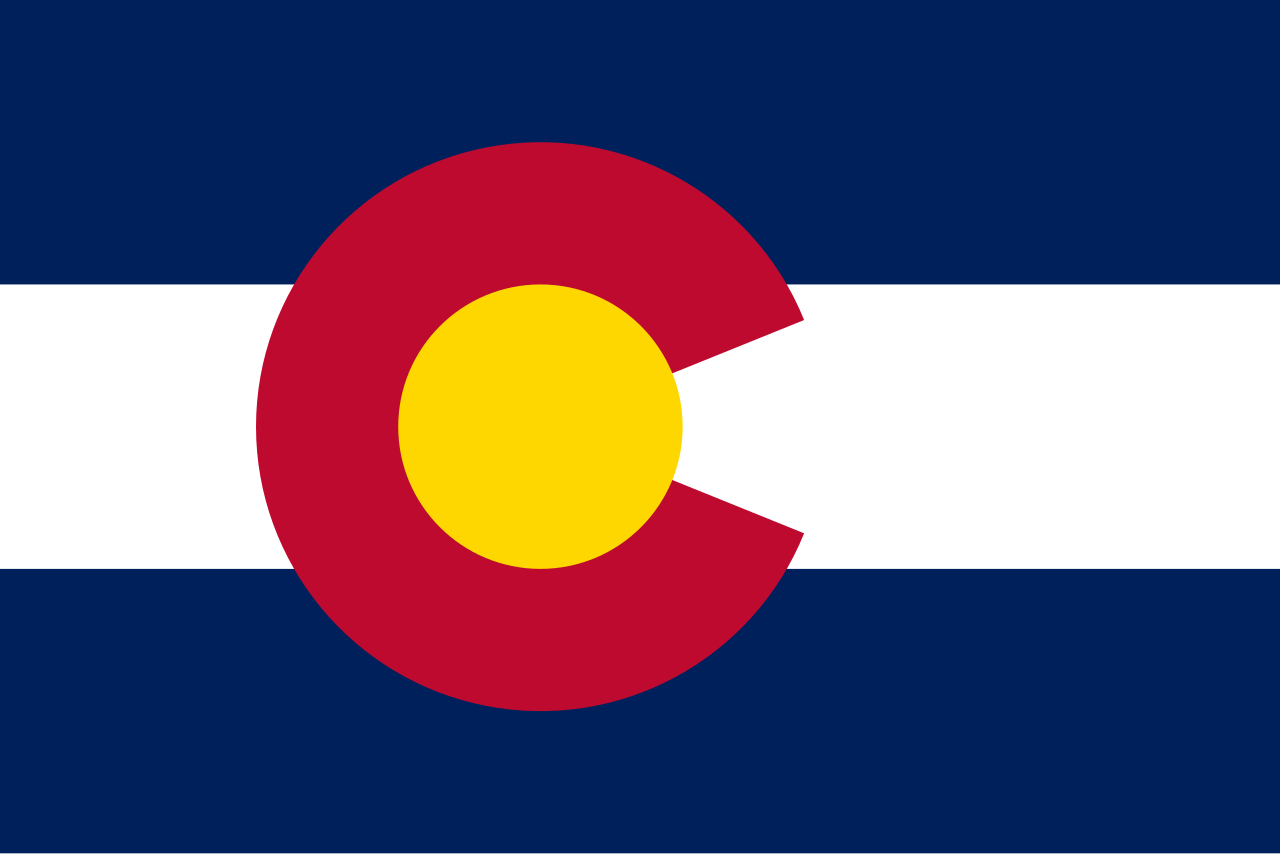
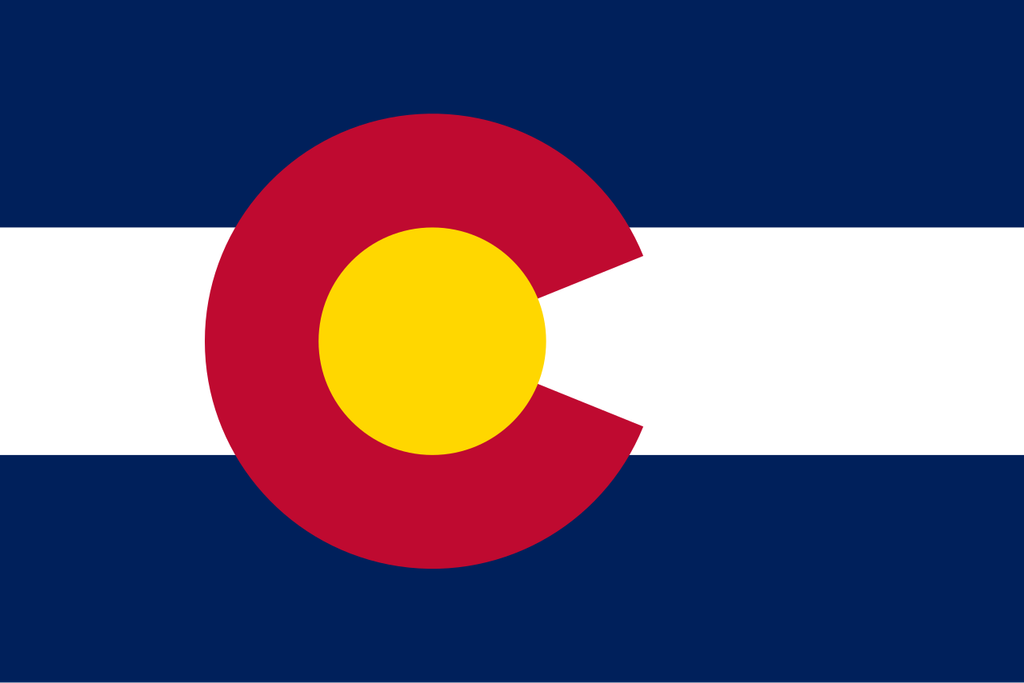
Colorado is a state in the western United States, known for the Rocky Mountains, outdoor recreation and the urban corridor along the Front Range. Denver is its capital and largest city, while nearby Lakewood forms part of the wider Denver metropolitan area.
READ: Denver: Biography, History and Mile High Identity
Nicknamed the Centennial State, Colorado entered the Union in 1876, a century after the Declaration of Independence. Its identity extends beyond mountain scenery to include farming communities, public lands, universities and industries ranging from aerospace to tourism.
Read: Do you need a professional writer in 72 hours? Contact Auxi Chat
Colorado: Geography and Natural Setting
READ: Regional Transportation District: Biography, History and Role
Colorado has several distinct landscapes. The eastern plains belong to the Great Plains, with broad grasslands and agricultural areas stretching toward Kansas and Nebraska. The central mountains contain some of the highest peaks in the contiguous United States, while western Colorado includes plateaus, river valleys and desert terrain.
The Continental Divide runs through the state, separating waters that flow toward the Pacific from those draining toward the Atlantic through other river systems. The Colorado River begins in the Rocky Mountains and supports communities and agriculture far beyond the state's borders.
Read: Need a professional website in 72 hours? Contact Auxi Chat
Elevation strongly shapes Colorado's climate. Mountain areas receive substantial winter snow, while lower elevations are generally drier. Water supply, wildfire risk and the management of forests and rangelands are enduring concerns.
Indigenous Roots and Statehood
Colorado's history long predates European settlement. Ancestral Puebloan communities built settlements in the southwest, including those preserved at Mesa Verde National Park. Ute peoples have deep connections to the mountains and western regions, while Cheyenne, Arapaho and other Indigenous nations have histories tied to the plains.
Spanish exploration and territorial claims influenced the south before the area became part of the United States through several territorial acquisitions. The name Colorado comes from Spanish and refers to a reddish color.
Gold discoveries in the late 1850s drew migrants and accelerated the growth of settlements such as Denver. Mining, railroads and ranching helped shape the territory, but expansion also brought the displacement of Indigenous peoples, broken agreements and violence.
The Colorado Territory was established in 1861, and Colorado became the 38th state on August 1, 1876. Its subsequent development reflected both the opportunities and instability of resource-based industries.
Denver, Lakewood and the Economy
Much of Colorado's population and economic activity is concentrated along the Front Range. This corridor includes Denver, Colorado Springs, Boulder and Fort Collins, linked by transport networks, commerce and educational institutions.
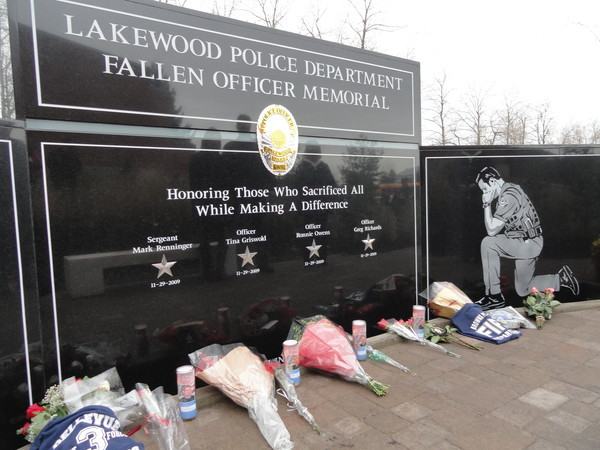
Denver developed as a supply and transport center for mining communities before becoming a regional hub for government, finance and business. Its metropolitan area includes Lakewood, a city immediately west of Denver in Jefferson County. Lakewood combines residential neighborhoods, employment centers and access to foothill parks and open space.
Colorado's economy is diverse. Aerospace, technology, health care, higher education and professional services operate alongside energy production, agriculture and tourism. Cattle ranching and crop production remain important, particularly outside the major urban areas.
Growth has created jobs and attracted newcomers, while also increasing pressure on housing, roads and water resources. Balancing development with conservation remains a central challenge.
Culture and Lasting Identity
Outdoor recreation is deeply associated with Colorado. Skiing, hiking, cycling, climbing and rafting draw residents and visitors into the mountains and river valleys. National parks and other protected lands preserve landscapes ranging from alpine terrain to vast sand dunes.
READ: Lakewood police: Biography, History and Public Safety
The state's cultural life also reflects Indigenous traditions, Hispanic heritage, ranching communities and successive waves of migration. Museums, music venues, universities and professional sports contribute to its urban identity.
Colorado is best understood as both a mountain state and a network of varied communities. Its lasting character comes from the relationship between natural resources, settlement and efforts to protect the landscapes that help define it.
More from Global News Biography. Further reading: Colorado on Wikipedia.
Are you interested in learning how to write professionally and earn money as a writer and content creator? Contact Auxi Chat today to start your writing journey immediately.
Need a professional website in 72 hours? Contact Auxi Chat
If you have an article, opinion piece, event or news story you would like published, Global News Arena would love to hear from you.