The Independent National Electoral Commission, widely known as INEC, is Nigeria’s national election management body. It organises elections for the presidency, the National Assembly, state governors and state houses of assembly. Its work helps determine how political competition is translated into elected government.
READ: Nigeria: Biography, History and Digital Culture
INEC is an institution rather than a political actor, but its decisions carry significant public weight. From registering voters to declaring results, it is expected to apply electoral rules fairly and protect the credibility of the ballot.
READ: Lagos: Biography, History and Cultural Identity
Origins and constitutional foundation
INEC was established in 1998 during Nigeria’s transition from military rule to civilian government. It succeeded the National Electoral Commission of Nigeria, one of several electoral bodies that operated during earlier periods of the country’s political history.
The commission administered the elections that ushered in the Fourth Republic in 1999. Its continuing authority rests on Nigeria’s Constitution and electoral legislation, which define its responsibilities and the rules governing elections.
This history places INEC at the centre of Nigeria’s democratic development. It has overseen successive election cycles in a large, diverse federation where geography, security conditions and intense political competition can make election administration difficult.
Read: Need a professional website in 72 hours? Contact Auxi Chat
Leadership and responsibilities
The commission is headed by a chairman and includes national commissioners. Resident Electoral Commissioners oversee its work at state level and in the Federal Capital Territory, supported by a permanent administrative structure.
The president appoints the chairman and commissioners, subject to Senate confirmation. Although this process involves elected political authorities, INEC is constitutionally intended to exercise its electoral responsibilities independently.
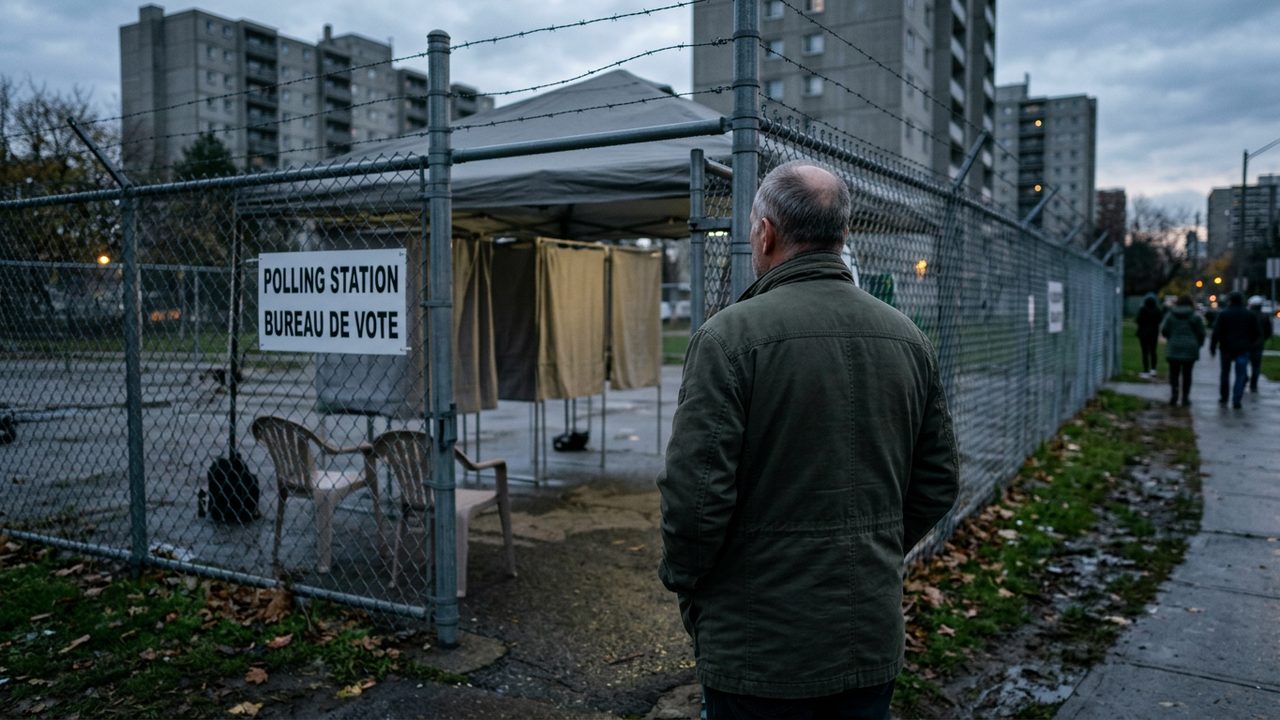
Its duties extend beyond polling day. The commission registers voters, maintains the national voter register, registers political parties and monitors aspects of their organisation and finances. It also conducts voter education and prepares the arrangements through which eligible citizens cast their ballots.
INEC does not administer every election in Nigeria. State Independent Electoral Commissions generally conduct local government elections in the states, while INEC conducts area council elections in the Federal Capital Territory. This distinction is important when assessing responsibility for electoral outcomes.
How the commission runs elections
Election management involves a long chain of preparations. INEC publishes timetables, receives candidate nominations, recruits and trains election personnel, distributes materials and coordinates voting, counting and the collation of results.
The commission relies on temporary election workers as well as permanent staff. It also works with security agencies and other public institutions, while political party agents, observers and journalists scrutinise different stages of the process.
Technology has become an important part of its operations. Permanent Voter Cards and biometric accreditation support checks on voter identity. The Bimodal Voter Accreditation System, known as BVAS, uses fingerprints and facial recognition to authenticate voters.
The INEC Result Viewing portal, commonly called IReV, provides public access to uploaded polling unit result images. That transparency function is distinct from the legally prescribed process of collating and declaring results.
READ: Martins Vincent Otse: Biography, Career and Public Life
Public trust and institutional significance
INEC’s standing depends not only on its legal mandate but also on public confidence. Delays, logistical failures, disputed procedures and concerns about transparency can weaken trust, even when other institutions or actors share responsibility for electoral problems.
Election petitions are handled through tribunals and courts, providing a legal route for challenging declared outcomes. INEC’s administrative role therefore operates alongside judicial oversight and the responsibilities of parties, candidates and security agencies.
The commission’s enduring significance lies in its duty to make political choice meaningful. Accurate voter records, impartial administration, accessible voting and transparent results are essential to that task. Safeguarding ballot integrity remains the central measure of its service to Nigeria’s democracy.
Are you interested in learning how to write professionally and earn money as a writer and content creator? Contact Auxi Chat today to start your writing journey immediately.
Need a professional website in 72 hours? Contact Auxi Chat
If you have an article, opinion piece, event or news story you would like published, Global News Arena would love to hear from you.