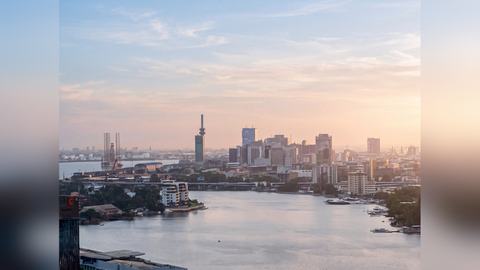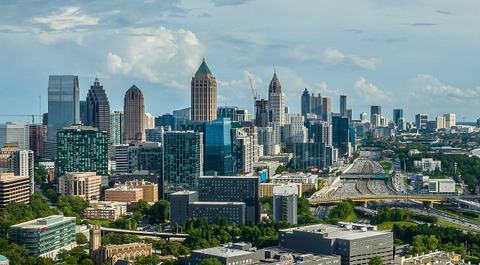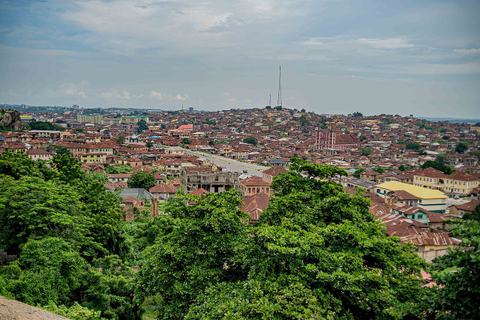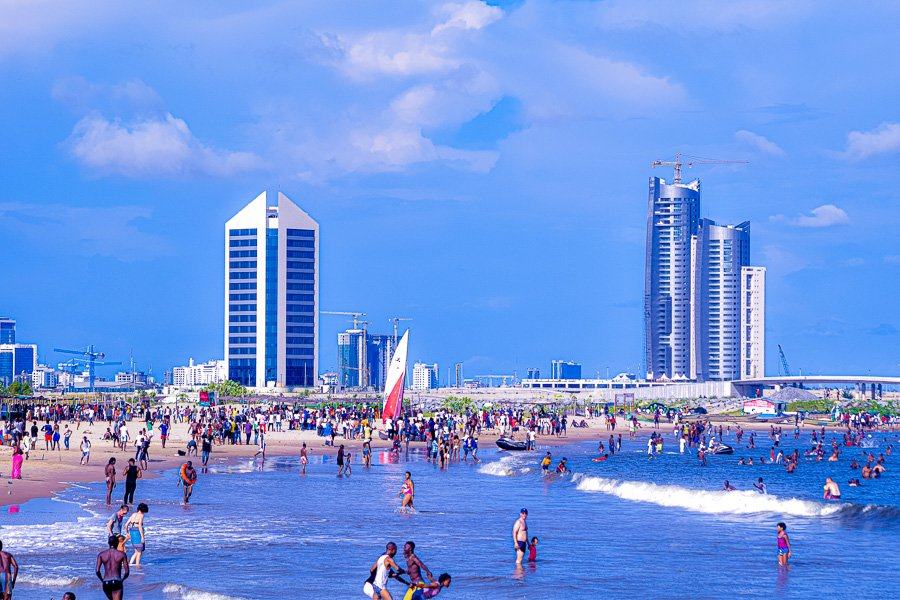
Lagos is a city of trade, movement and reinvention. On Nigeria’s southwestern coast, it brings together historic island communities, busy mainland districts and a sprawling metropolitan area. It is widely recognised as Nigeria’s largest city and its principal commercial centre, although population estimates vary with the boundaries used.
READ: Nigeria: Biography, History and Cultural Identity
Its influence extends far beyond business. Lagos is a major centre for music, film, fashion and publishing, helping shape how contemporary Nigerian culture is experienced at home and abroad.
Origins and Early History
READ: Nigeria: Biography, History and Cultural Influence
The history of Lagos is rooted in the Yoruba communities of the coast and their connections with the Kingdom of Benin. The indigenous name Eko remains widely used, reflecting an identity older than the city’s colonial name.
Portuguese traders reached this coastline in the fifteenth century, and the name Lagos is of Portuguese origin. Over time, the settlement became part of Atlantic trading networks, including the transatlantic slave trade.
Britain annexed Lagos in 1861. Under colonial rule, its port and administrative importance grew. Returning formerly enslaved people and their descendants, including communities from Brazil and Sierra Leone, also contributed to its architecture, commerce and social life. These influences remain part of the city’s layered heritage.
From Capital to Commercial Powerhouse
Lagos served as Nigeria’s capital at independence in 1960. The federal capital moved to Abuja in 1991, but Lagos retained its central place in the national economy.
The city hosts major banks, corporate offices, media organisations and technology businesses. Its ports connect Nigeria with international markets, while markets and smaller enterprises support everyday economic activity across the metropolis.
Lagos city and Lagos State are closely connected but are not interchangeable terms. The state includes the urban core and surrounding communities, with Ikeja serving as its capital. Metropolitan development also extends towards neighbouring Ogun State, making the wider urban area difficult to describe through a single boundary.
A City Shaped by Water
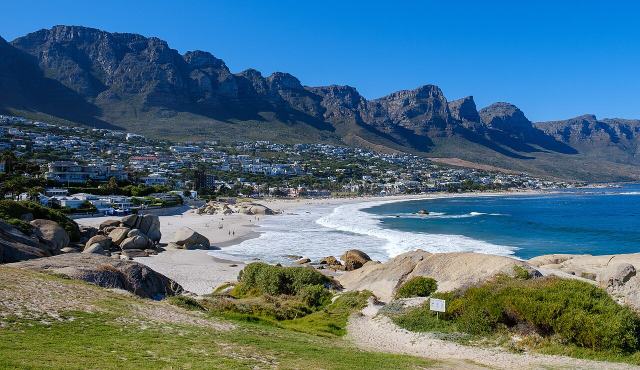
The Atlantic Ocean, Lagos Lagoon and connecting waterways define the city’s geography. Bridges link Lagos Island and other island districts with the mainland, supporting the daily movement of people and goods.
Lagos Island contains important historic and commercial areas. Victoria Island and Ikoyi are associated with business districts and residential neighbourhoods, while the Lekki corridor has become a major area of urban expansion. Mainland districts such as Yaba, Surulere and Ikeja have their own commercial and cultural identities.
Water also presents challenges. Flooding, coastal erosion and pressure on wetlands complicate development. Heavy traffic, housing demand and uneven access to infrastructure are enduring concerns in a city whose growth has often outpaced public services.
Culture and Everyday Life
Lagos occupies a central place in Nigeria’s creative industries. It was closely associated with Fela Kuti and the development of Afrobeat, and it remains an important base for contemporary Afrobeats performers, producers and music businesses.
READ: South Africa: Biography, History and National Identity
The city is also a major hub for Nollywood, Nigeria’s film industry. Fashion designers, visual artists, writers and comedians contribute to a cultural economy that reaches audiences across Africa and beyond.
Everyday Lagos is equally distinctive. Markets, street food, religious life and informal transport help set its rhythm. Yoruba heritage is foundational, while migration from across Nigeria and other countries has made the city multilingual and culturally diverse. English, Nigerian Pidgin and Yoruba are widely heard.
Institutions such as the National Museum in Onikan preserve parts of Nigeria’s cultural history. Alongside them, galleries, performance spaces and neighbourhood businesses continue to renew the city’s identity. Lagos remains both a place of opportunity and a demanding urban environment, defined by the energy of its residents.
Are you interested in learning how to write professionally and earn money as a writer and content creator? Contact Auxi Chat today to start your writing journey immediately.
Need a professional website in 72 hours? Contact Auxi Chat
If you have an article, opinion piece, event or news story you would like published, Global News Arena would love to hear from you.