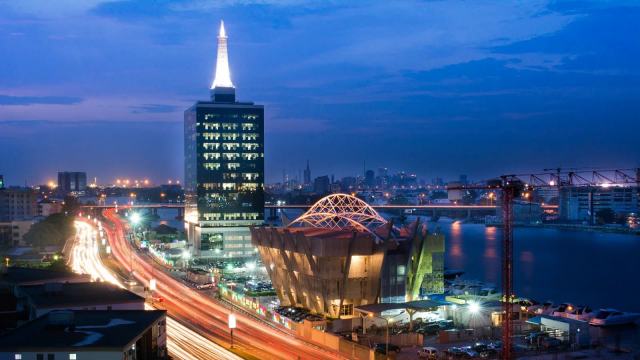
Lagos is a city of movement, ambition and contrasts. Set along Nigeria’s southwestern coast, it is the country’s commercial powerhouse and one of Africa’s most influential urban centres. Its ports, markets, financial institutions and creative industries connect Nigeria to the wider world.
READ: Lagos: Biography, History and Cultural Identity
Although Abuja replaced Lagos as Nigeria’s federal capital in 1991, Lagos retained much of its economic and cultural influence. It continues to attract people seeking education, employment, business opportunities and a place in the country’s entertainment industries.
Origins and Early History
READ: Jimmy Odukoya: Biography, Career and Church Leadership
The city grew from settlements around Lagos Island and the surrounding lagoon. Its history is closely associated with the Awori Yoruba and with political influence from the Kingdom of Benin. The Yoruba name Eko remains widely used as an expression of the city’s identity.
Portuguese traders reached the coast during the early period of European contact. The name Lagos is Portuguese in origin. Maritime commerce helped shape the settlement, while the Atlantic slave trade became a devastating part of its early connections with the outside world.
Britain annexed Lagos in 1861, establishing colonial control over a port of growing commercial importance. Lagos later became the capital of colonial Nigeria and remained the national capital after independence in 1960. Its colonial-era buildings and older neighbourhoods still reflect layers of this history.
A City of Islands and Mainland Communities
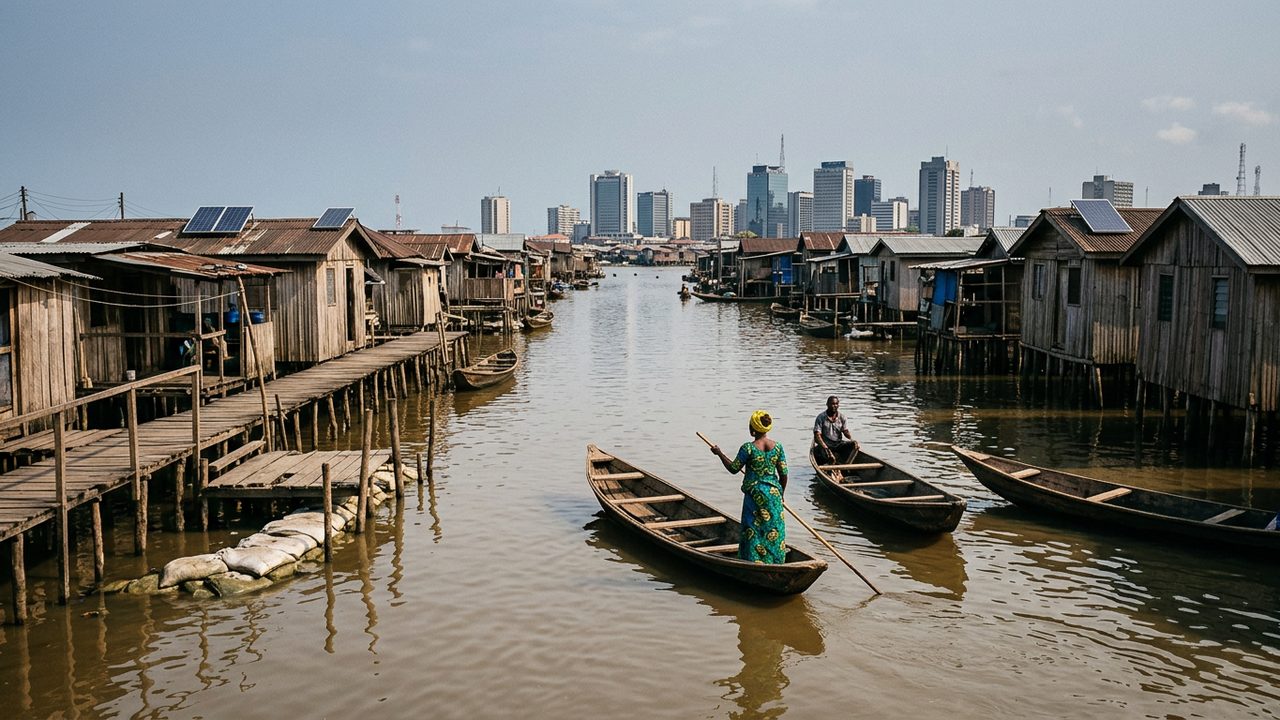
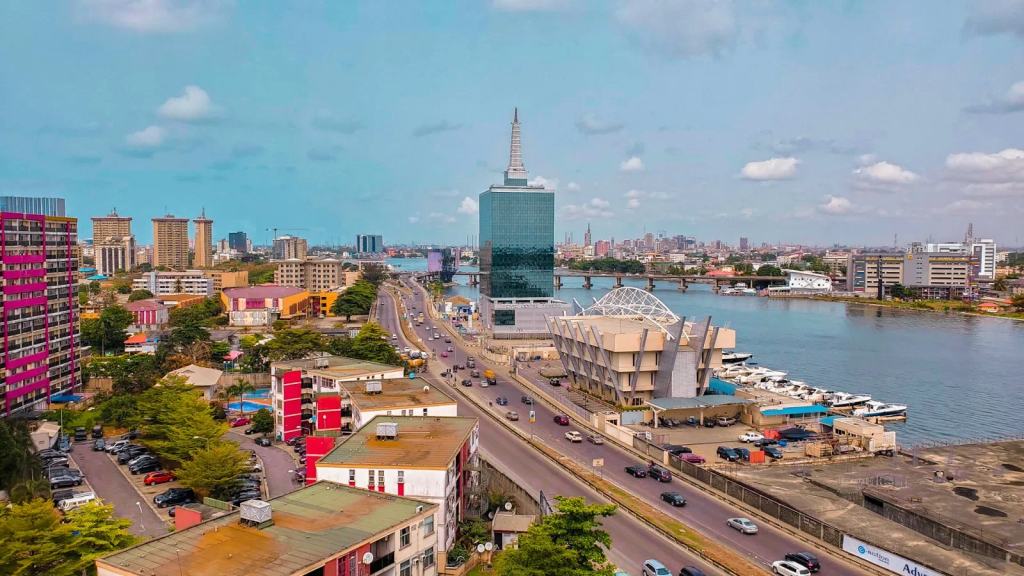
Lagos developed around a network of islands, lagoons and mainland settlements beside the Atlantic Ocean. Bridges link major parts of the city, while waterways remain important to its geography and transport. Lagos Island, Victoria Island and Ikoyi are among its best-known districts.
The mainland contains extensive residential, commercial and industrial communities. Ikeja, the capital of Lagos State, is an important administrative and business centre. Other districts have distinct identities shaped by markets, migration, education and local enterprise.
The name Lagos can refer to the historic city, the wider metropolitan area or, more loosely, Lagos State. These boundaries are not interchangeable, which helps explain why population estimates vary. What is clear is the immense scale of the urban area and its continuing pressure on housing, roads and public services.
Commerce and Cultural Influence
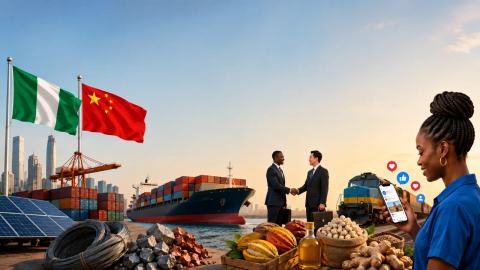
Lagos plays a central role in Nigerian trade and finance. The ports at Apapa and Tin Can Island are major gateways for goods, while banks, telecommunications companies and technology businesses maintain significant operations in the city. Informal trading and small enterprises are equally important to everyday livelihoods.
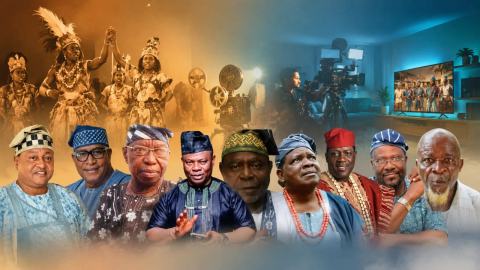
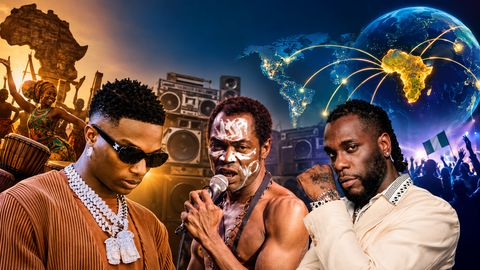
Its cultural reach extends far beyond Nigeria. Lagos is a major production and distribution centre for Nollywood and a creative base for Afrobeats. Musicians, filmmakers, writers, designers and visual artists draw on its energy, languages and social contrasts.
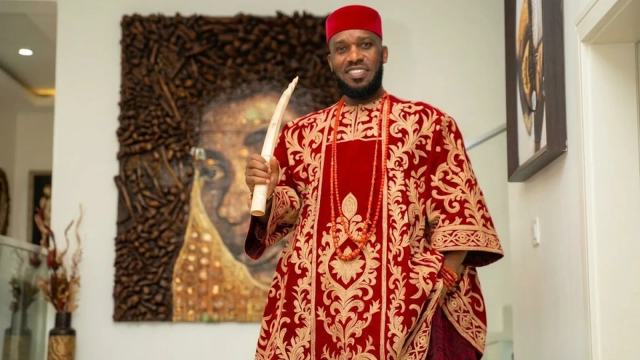
Yoruba heritage remains fundamental to the city, alongside communities from across Nigeria and abroad. English, Yoruba and Nigerian Pidgin are widely heard. Food, fashion, religious life and festivals reveal a metropolis shaped by both deep local roots and constant exchange.
Civic Life and Urban Challenges
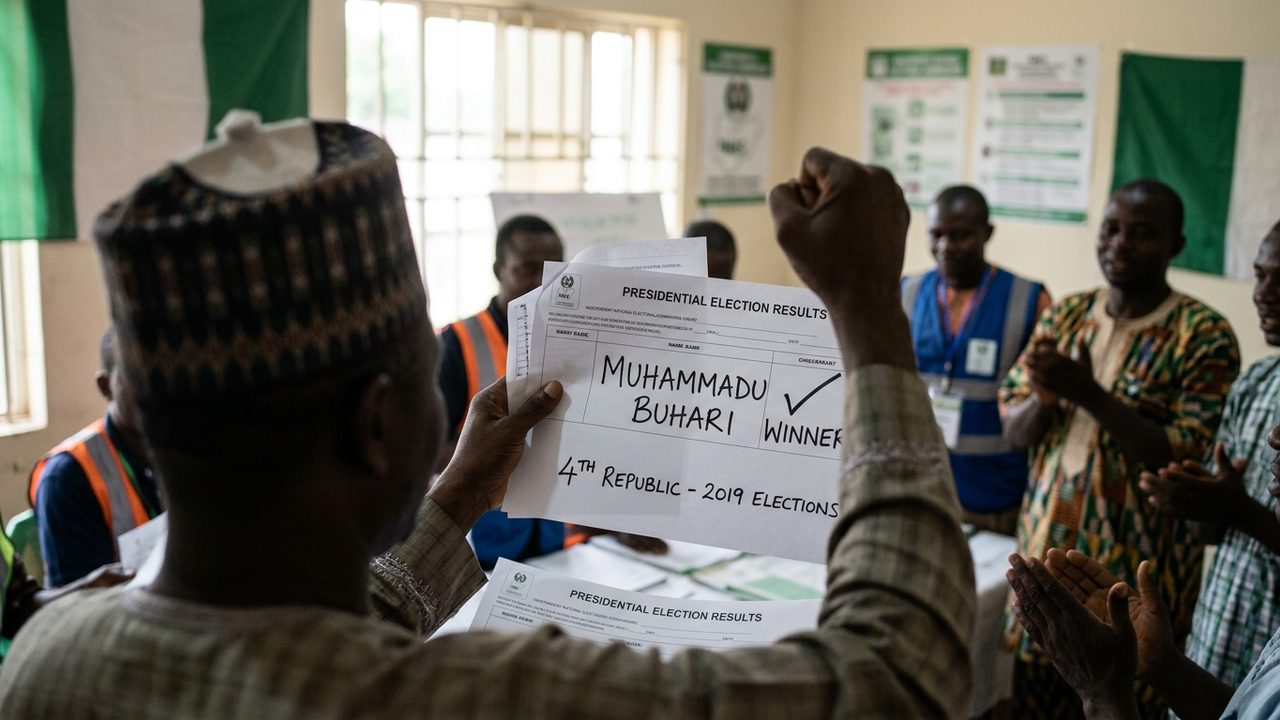
Lagos has long been a setting for journalism, political organisation and public protest. During the End SARS protests against police brutality in 2020, it became a major centre of demonstrations. The movement highlighted young Nigerians’ demands for accountability and reform.
READ: Ugo Monye: Biography of the Nigerian Menswear Designer
Daily life also involves serious challenges, including traffic congestion, flooding, uneven access to services and sharp inequalities. Transport improvements and development projects seek to address some of these pressures, but their benefits are not experienced equally.
Lagos remains difficult to define through a single image. It is a historic coastal city, a commercial gateway and a place where Nigerians continually reshape the country’s cultural and civic life.
Are you interested in learning how to write professionally and earn money as a writer and content creator? Contact Auxi Chat today to start your writing journey immediately.
Need a professional website in 72 hours? Contact Auxi Chat
If you have an article, opinion piece, event or news story you would like published, Global News Arena would love to hear from you.