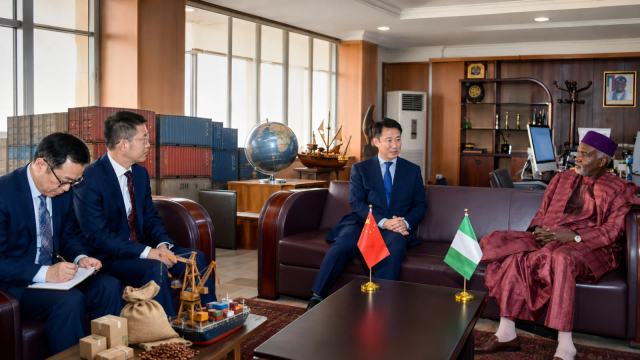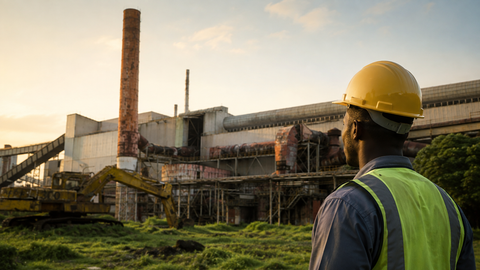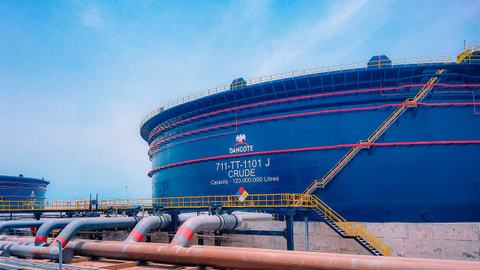
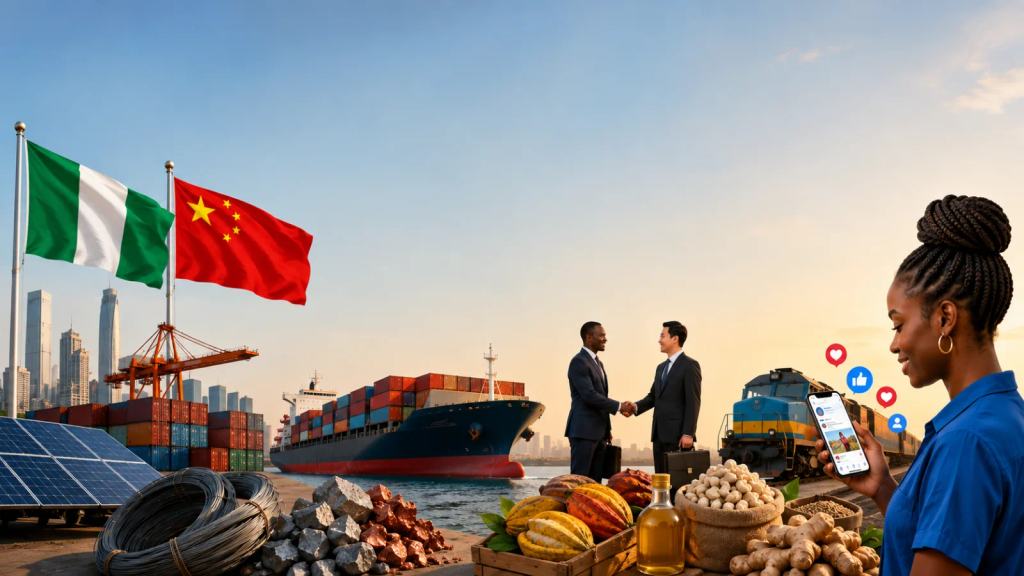
Nigeria and China have built a trade relationship worth billions of dollars, but when I look at the relationship today, one question stands out for me: how much more can Nigeria produce and sell to China instead of simply buying from China?
That question matters because Nigeria and China have been connected diplomatically for more than five decades. The two countries formally established diplomatic relations on February 10, 1971, and what began as a diplomatic relationship has gradually developed into a major economic partnership involving trade, investment, infrastructure, manufacturing, agriculture and technology.
Over the years, China has become an important source of machinery, consumer products, industrial equipment, technology and investment for Nigeria, while Nigeria has supplied China with commodities and natural resources. However, the balance of trade remains heavily tilted toward China, and that is where I believe Nigerians need to start paying closer attention.
According to China's Ministry of Commerce, China-Nigeria trade reached about $21.89 billion in 2024, with Chinese exports to Nigeria estimated at about $18.9 billion and Nigerian exports to China at approximately $2.99 billion. In the first half of 2025, bilateral trade reached about $12.89 billion, showing just how quickly commercial activity between both countries continues to expand.
Those numbers are impressive, but they also reveal a problem that Nigeria cannot afford to ignore. If billions of dollars are moving between both countries every year, Nigeria should be asking how much of that money is coming from products and services created by Nigerians.
For years, much of the conversation around Nigeria-China trade has centred on what Nigerians import. Chinese electronics, machinery, household products, clothing, industrial equipment and other manufactured goods are already common in the Nigerian market. But international trade cannot be sustainable for Nigeria if the country remains primarily a consumer.
The bigger opportunity is production.
Nigeria has agricultural products, mineral resources, energy resources, a large population and a growing digital economy. What the country needs is a stronger system for turning those advantages into products and services that can compete internationally.
This is where the relationship with China becomes particularly important.
Nigeria already exports goods to China. In 2024, UN Comtrade-based data showed that Nigeria exported about $2.03 billion worth of goods to China, with mineral fuels and oils accounting for a significant share, alongside products such as oilseeds, ores, copper and aluminium.
That tells me something very important: China is already buying Nigerian products.
The opportunity now is to increase the number of products Nigeria sells and, more importantly, to increase the value added before those products leave the country.
Take agriculture, for example. Nigeria produces commodities such as sesame, cocoa, cashew, ginger and other agricultural products that can find international buyers. But there is a huge difference between exporting a raw commodity and exporting a properly processed, packaged and branded product.
When a farmer grows a crop and sells it immediately as a raw commodity, much of the potential value may be captured elsewhere. When businesses clean, process, package, brand and distribute that same product, more economic activity can take place within Nigeria.
That means more opportunities for farmers, processors, packaging companies, transporters, marketers, exporters and other businesses.
There is already evidence that Nigerian agricultural products can reach the Chinese market. World Bank WITS data based on UN Comtrade figures shows that Nigeria exported sesame oil worth about $550,680 to China in 2024.
For me, that is more than a figure buried inside a trade database. It is a reminder that opportunities can exist in industries that many people overlook.
And as the relationship develops, market access could become even more important. In 2025, Chinese officials said China was prepared to work toward zero-tariff treatment covering 100% of tariff lines for products originating from Nigeria, with the intention of supporting Nigerian exports, industrialisation and economic diversification.
This sounds like good news for Nigerian businesses, but I believe there is an important point that must not be missed.
Zero tariffs do not automatically turn an uncompetitive product into a successful export.
A Nigerian business still has to produce quality goods, maintain consistent supply, meet international standards, obtain the necessary certifications, package its products properly, price them competitively and find reliable buyers.
A farmer may produce an excellent crop, but if the supply is inconsistent, an international buyer may look elsewhere. A manufacturer may have a good product, but if it fails to meet required standards, access to the market can remain difficult. An entrepreneur may even have a product that people want, but without proper marketing, research and communication, potential customers may never discover it.
This is why I believe the next stage of Nigeria-China trade will not be driven by physical products alone. Knowledge, technology and digital skills will also become increasingly important.
Interestingly, Nigeria and China are already moving in that direction. In March 2026, both countries signed a Framework Agreement on Economic Partnership for Shared Development covering areas including manufacturing, agricultural transformation, trade in goods and services, investment, green development and digital trade.
The inclusion of digital trade is significant because it shows that the relationship is moving with the changing global economy.
And this is where I believe ordinary Nigerians can begin to look at the story differently.
You do not necessarily need to own a factory before you can participate in an economy that is becoming increasingly digital. A smartphone can be used to research markets, create content, communicate with customers, manage social media accounts, write product descriptions, promote businesses and build an audience.
Someone who develops strong content-writing skills can help Nigerian businesses tell their stories online. A person who understands social media marketing can help a small manufacturer reach more customers. Someone with research skills can gather useful information for businesses trying to understand new markets. Another person can learn digital marketing and help legitimate businesses promote their products and services.
None of this means everyone should suddenly become an importer or exporter. Rather, it means people should understand that international trade creates opportunities beyond the physical movement of goods.
The internet has made it easier for businesses to communicate, research markets and build visibility, and that means digital skills can become part of the wider trade ecosystem.
A smartphone, therefore, can become more than a device for entertainment and social media scrolling. With the right skills, it can become a small business office.
However, while I see enormous opportunities in the Nigeria-China relationship, I also believe Nigeria must be careful about how that relationship develops.
Strong economic relations should benefit both sides. Nigeria needs investment, technology, infrastructure and access to markets, but it must also strengthen its own manufacturing and productive capacity. Otherwise, the country risks becoming an even larger marketplace for products manufactured elsewhere while continuing to export mostly raw materials.
That would not fully capture the opportunity.
The 2024 Nigeria-China joint statement highlighted cooperation in areas including energy and mineral resources, manufacturing, agricultural modernisation, the digital economy and infrastructure. It also encouraged Nigeria to expand exports to China and make greater use of Chinese trade platforms to increase commercial opportunities.
That is an area I believe Nigerian businesses should take seriously.
Infrastructure is important. Investment is important. Imports are important. But production is even more important if Nigeria wants sustainable economic growth.
A country cannot build lasting wealth simply by becoming an excellent marketplace for products made in other countries. It needs businesses capable of producing goods and services that the rest of the world is willing to pay for.
That means Nigerian farmers need better access to markets and processing facilities. Manufacturers need an environment that allows them to grow. Exporters need reliable infrastructure and logistics. Businesses need to understand international standards. Entrepreneurs need to become better at branding and digital marketing. Young people need skills that can connect them to opportunities beyond their immediate surroundings.
When I look at the history of Nigeria-China relations, I also see how quickly international partnerships can evolve. In 2005, the two countries established a strategic partnership, and in September 2024, they upgraded their relationship to a comprehensive strategic partnership.
That progression tells me that Nigeria-China relations have moved far beyond traditional diplomacy.
Today, the relationship touches trade, investment, infrastructure, agriculture, manufacturing, technology and the digital economy. That creates opportunities, but it also creates responsibilities for Nigeria.
The country must negotiate partnerships carefully, encourage investments that create productive capacity and make sure that local businesses can participate in the economic value being generated.
There are still major challenges. Nigeria has to deal with infrastructure limitations, electricity costs, logistics problems, financing difficulties, foreign exchange pressures, production costs, quality standards and the challenge of helping small businesses grow into larger companies.
But these challenges should not make us overlook the opportunities.
For me, the biggest lesson from the Nigeria-China trade relationship is simple: opportunity does not automatically become wealth. Someone has to be prepared to capture it.
That preparation can begin with something as simple as learning a useful skill.
A young Nigerian who learns digital marketing today could eventually help an agricultural exporter reach international buyers. Someone who learns content writing could work with manufacturers and businesses that need professional online communication. A person who develops research skills could help companies understand markets, competitors and customers. Someone who learns branding could help Nigerian products become more attractive to buyers both within and outside the country.
These opportunities do not necessarily begin with millions of naira. Sometimes they begin with a smartphone, an internet connection and the willingness to learn.
This is why I believe Nigerians should stop viewing international trade as something that only governments, large corporations and wealthy businessmen should care about.
Trade affects everyone.
It affects the farmer producing the commodity. It affects the factory worker making the product. It affects the transporter moving the goods. It affects the marketer promoting the business. It affects the writer creating the content. It affects the entrepreneur searching for customers. And ultimately, it affects jobs, income and economic growth.
Nigeria-China trade is therefore both an opportunity and a challenge.
The opportunity is access to a huge market, investment, technology, infrastructure and potential buyers for Nigerian products. The challenge is ensuring that Nigeria does not remain primarily a consumer while other countries capture most of the value created through manufacturing and processing.
If Nigeria can increase its production, process more of its raw materials locally, develop stronger brands, improve product quality and use technology to connect businesses with international markets, the relationship with China could become significantly more valuable to the Nigerian economy.
China's own economic transformation also demonstrates the importance of industrialisation, infrastructure, productive capacity and long-term economic planning. Nigeria cannot simply copy China's development model because the two countries have different histories, resources and circumstances, but there are lessons that Nigeria can study and adapt to its own reality.
As Nigeria and China move deeper into their sixth decade of diplomatic relations, I believe the question is no longer whether opportunities exist.
They clearly do.
The real question is whether Nigeria will be prepared to take advantage of them.
Nigeria-China trade is ultimately about much more than billions of dollars changing hands. It is about what Nigeria produces, what it exports, how much value it adds to its resources, how businesses use technology and whether ordinary Nigerians can find meaningful opportunities within a changing global economy.
For me, the future of this relationship should not be judged only by how much China sells to Nigeria or how large bilateral trade becomes. It should also be judged by how many Nigerian businesses become exporters, how many local industries become stronger, how much value is created inside Nigeria and how many Nigerians are able to benefit from the opportunities created by this growing partnership.
If Nigeria can move from simply consuming more to producing more, processing more, branding more and exporting more, then the Nigeria-China relationship could become one of the country's most important economic opportunities of this generation.
And perhaps that is the real opportunity hidden inside all those billions of dollars in trade: not simply to buy more from China, but to build Nigerian businesses and products that the Chinese market, and the wider world, will also want to buy.
If you have an article, opinion piece, event or news story you would like published, or you are ready to begin your journey toward building a profitable online content writing business from your phone or laptop, Global News Arena would love to hear from you. Send an email to advertise@globalnewsarena.com.