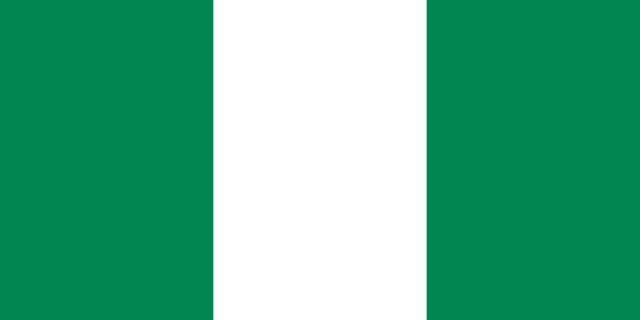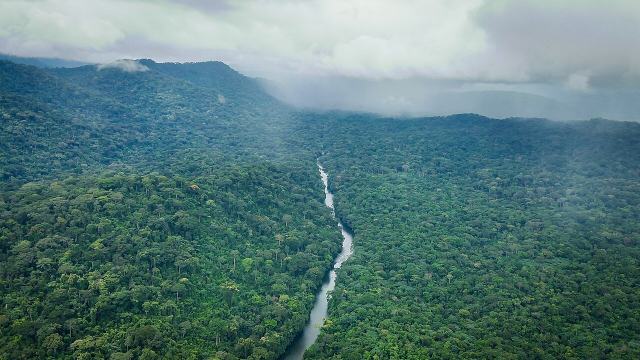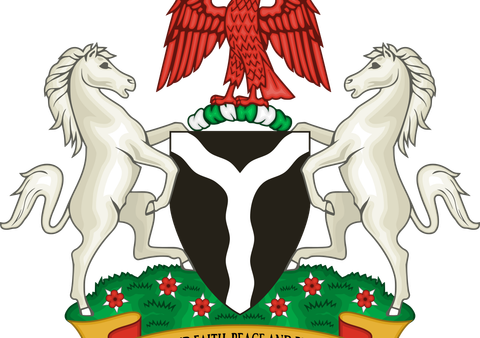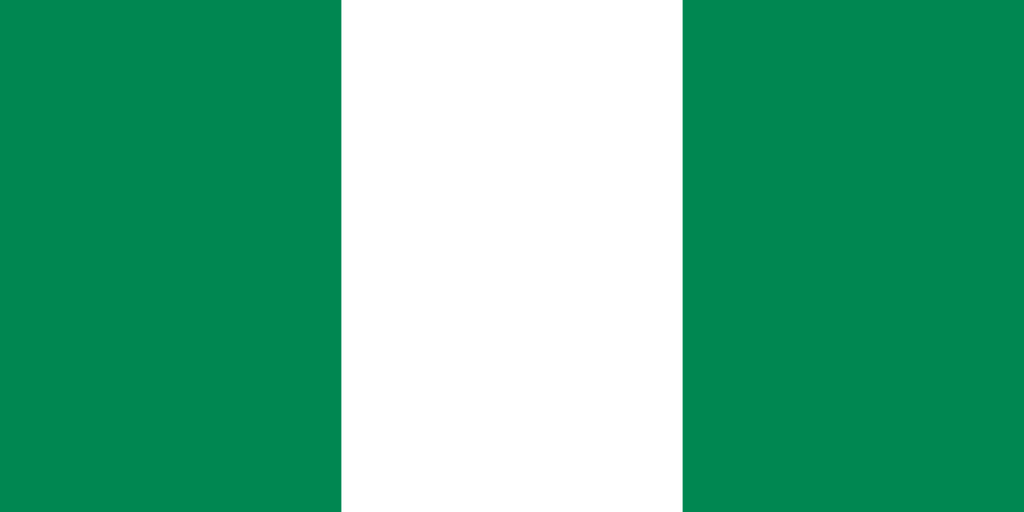
Nigeria is a West African country whose influence extends across politics, business and popular culture. Africa's most populous nation, it is home to hundreds of ethnic groups and languages, a large youth population and a diaspora with strong international connections. Its cultural reach makes it an important setting for debates about fame, reputation and expression online.
READ: Nigeria: Biography, History and Cultural Influence
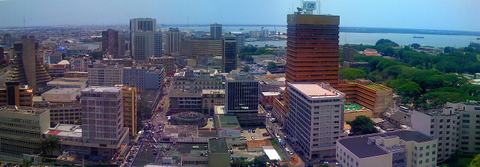
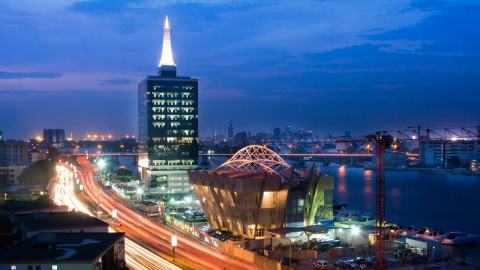
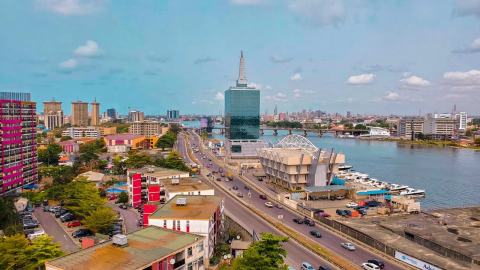
Abuja is the federal capital, while Lagos is the country's largest city and a leading commercial and entertainment centre. English is the official language, but Hausa, Yoruba, Igbo and Nigerian Pidgin also play prominent roles in everyday communication and public life.
Nigeria: History and national identity
READ: Nigeria: Biography, History and National Identity
The territory now known as Nigeria has a long history of kingdoms, trading networks and political institutions. The Benin Kingdom, the Oyo Empire and the Hausa states were among the societies that shaped the region before British colonial rule.
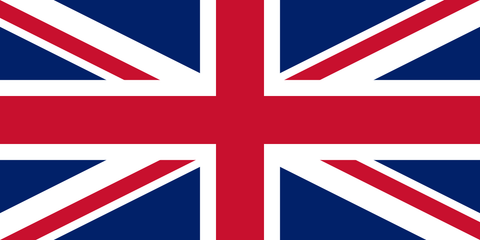
Britain brought its northern and southern protectorates together in 1914. Nigeria became independent in 1960 and a republic in 1963. Independence was followed by political instability, military coups and a civil war from 1967 to 1970, fought over the attempted secession of Biafra.
Periods of military government alternated with civilian rule before the return to elected civilian government in 1999. That transition established the framework of the current Fourth Republic. Questions about representation, regional interests and national unity remain important to understanding the country.
Government, society and economy
Nigeria is a federal republic with 36 states and the Federal Capital Territory. Its president leads the executive branch, while the National Assembly consists of a Senate and a House of Representatives. States have their own governors and legislatures.
Religious and cultural diversity shape national life. Islam and Christianity are the largest religions, alongside traditional beliefs and practices. Regional patterns exist, but no single religious, ethnic or linguistic description captures the country as a whole.
Oil and gas are central to export earnings and government finances, but Nigeria's economy extends well beyond petroleum. Agriculture, trade, telecommunications, financial services and creative industries support livelihoods. Infrastructure gaps, uneven access to opportunities and economic pressures also influence daily life and business.
Culture, celebrity and digital influence
Nigeria's creative industries have built audiences across Africa and beyond. Nollywood, its film industry, is known for prolific production and stories that travel across borders. Nigerian musicians have helped establish Afrobeats as a globally recognised sound, while the country's writers have made lasting contributions to world literature.
Digital platforms connect these traditions with newer forms of celebrity. Comedians, influencers, podcasters and online commentators can build substantial audiences outside established broadcasters and studios. Social media also supports advertising, commerce and direct exchanges between public figures and fans.
This visibility can make personal disagreements highly public. Posts, livestreams and shared recordings may spread rapidly, with audiences debating claims before their accuracy has been established. Online popularity is not evidence of credibility, and allegations require verification regardless of who publishes them.
Cybercrime law and public expression
Nigeria's legal framework includes constitutional protection for freedom of expression, alongside laws governing reputation, privacy and criminal conduct. Its Cybercrimes (Prohibition, Prevention, etc.) Act was enacted in 2015 and amended in 2024. The legislation addresses offences involving computers, networks and electronic communications.
READ: Nigeria: Biography, History and Cultural Identity
Cyberstalking provisions have been particularly prominent in debates about online speech and enforcement. Journalists and civil society organisations have raised concerns about the use of cybercrime law against criticism and reporting.
Understanding any dispute requires distinguishing an accusation, a complaint, an investigation and a court finding. Nigeria's combination of influential digital culture and contested boundaries around expression makes that distinction especially important when assessing public claims and reputational conflicts.
More from Global News Biography. Further reading: Nigeria on Wikipedia.
Are you interested in learning how to write professionally and earn money as a writer and content creator? Contact Auxi Chat today to start your writing journey immediately.
Need a professional website in 72 hours? Contact Auxi Chat
If you have an article, opinion piece, event or news story you would like published, Global News Arena would love to hear from you.