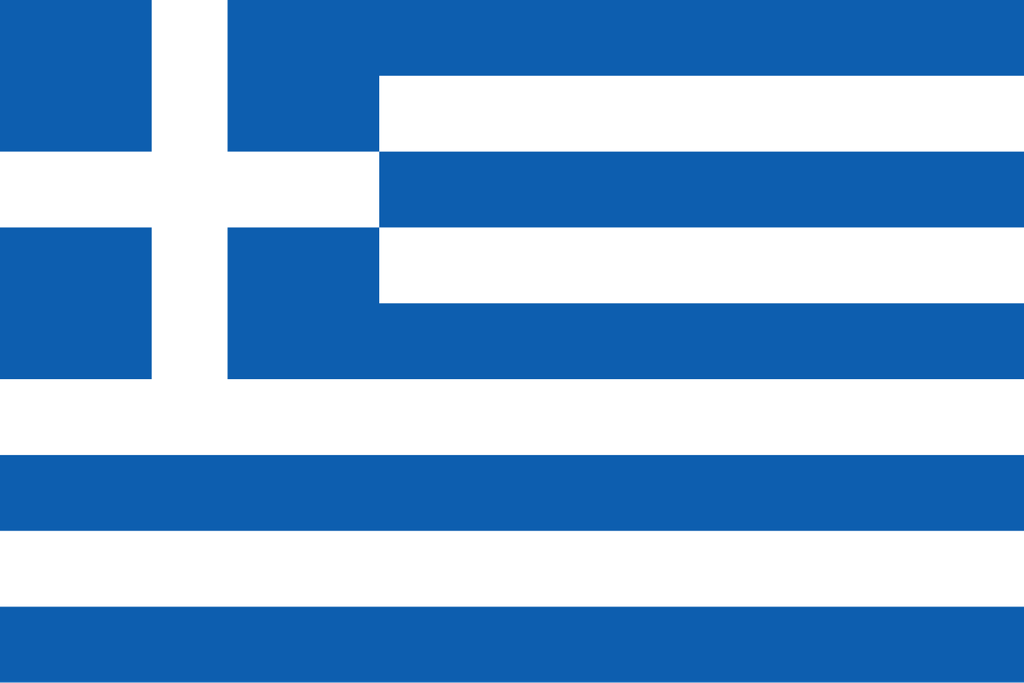
Greece, officially the Hellenic Republic, occupies a prominent place in European history and the Mediterranean world. Known for its ancient monuments, islands and seafaring traditions, it is also a modern parliamentary republic with Athens as its capital and largest city.
READ: Euro 2004: Biography, History and Portugal's Final
Its influence extends well beyond its borders. Greek ideas helped shape democratic government, philosophy, theatre and scientific inquiry, while Greek communities abroad have carried the country's language, food and customs around the world.
Read: Do you need a professional writer in 72 hours? Contact Auxi Chat
Greece: Geography and national character
READ: United States: Biography, History and National Identity
Located at the southern end of the Balkan Peninsula, Greece shares land borders with Albania, North Macedonia, Bulgaria and Turkey. The Aegean Sea lies to the east of its mainland and the Ionian Sea to the west, placing it at a historic crossroads between Europe, Asia and Africa.
Mountains dominate much of the landscape, while a deeply indented coastline and numerous islands give the country a strong maritime character. Crete is its largest island. Other well-known island groups include the Cyclades, the Dodecanese and the Ionian Islands.
Read: Need a professional website in 72 hours? Contact Auxi Chat
Greek is the official language. The Greek Orthodox tradition has played an important role in public life, religious observance and national identity, although the country also includes other religious communities.
From ancient civilisation to independence
Ancient Greece was not a single unified nation in the modern sense. It consisted of city-states and communities with distinct political systems, including Athens and Sparta. Classical Athens developed an influential form of democracy, though participation was restricted and excluded women, enslaved people and many other residents.
Thinkers such as Socrates, Plato and Aristotle left lasting intellectual legacies. Greek drama, architecture and sculpture also became reference points for later cultures. The ancient Olympic Games originated at Olympia as part of a religious festival.
Greek culture spread widely through the conquests of Alexander the Great and the Hellenistic kingdoms that followed. Greek lands later came under Roman rule, while the Greek language and Christian traditions became central to the Byzantine Empire.
Much of present-day Greece subsequently fell under Ottoman rule. The Greek War of Independence began in 1821, and an independent Greek state gained international recognition in 1830. Its borders expanded over time to include additional territories with substantial Greek populations.
The modern state and everyday culture
Modern Greece has experienced monarchy, republican government, occupation during the Second World War, civil war and military dictatorship. Parliamentary democracy was restored in 1974, and a referendum that year rejected the monarchy.
Greece belongs to the European Union and NATO and uses the euro. Shipping and tourism are important parts of its economy, alongside services, agriculture and food production. Olive oil, olives and other Mediterranean products are closely associated with the country.
Everyday culture places considerable importance on family connections, hospitality and shared meals. Greek cuisine includes regional variations, with dishes such as moussaka and souvlaki recognised internationally. Music, dance, literature and religious festivals remain important expressions of cultural continuity.
Sport and the Euro 2004 legacy
Greece holds a distinctive place in sporting history as the birthplace of the ancient Olympics. Athens hosted the first modern Olympic Games in 1896 and welcomed the event again in 2004.
READ: United Kingdom: Biography, History and National Identity
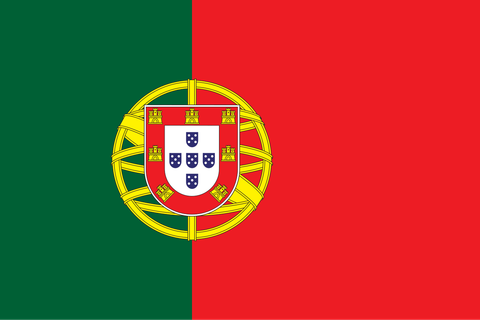
Football delivered another defining moment in 2004. Coached by Otto Rehhagel, Greece defeated host nation Portugal 1-0 in the European Championship final. Angelos Charisteas scored the winning goal.
The victory was widely regarded as one of international football's greatest surprises. Greece's disciplined defending and collective organisation overcame more heavily favoured opponents, giving the national team an enduring place in the country's sporting memory. Basketball has also earned Greece a strong international reputation.
More from Global News Biography. Further reading: Greece on Wikipedia.
Are you interested in learning how to write professionally and earn money as a writer and content creator? Contact Auxi Chat today to start your writing journey immediately.
Need a professional website in 72 hours? Contact Auxi Chat
If you have an article, opinion piece, event or news story you would like published, Global News Arena would love to hear from you.