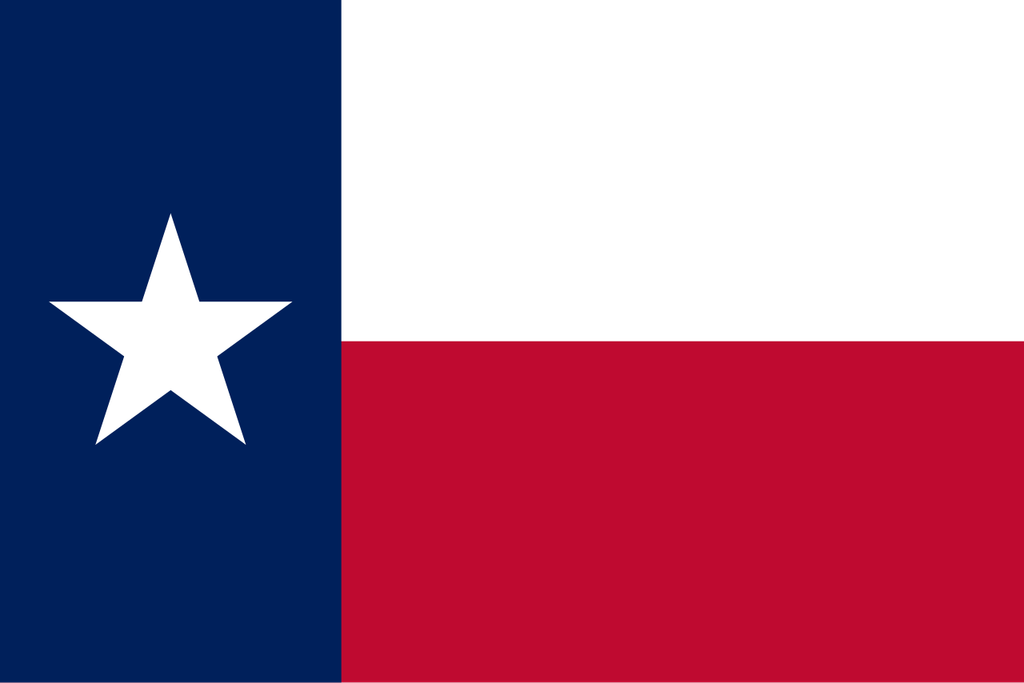
Texas occupies a distinctive place in the United States, combining immense territory with a strong regional identity. Known as the Lone Star State, it is the country's second-largest state by both area and population, behind Alaska and California respectively. Its capital is Austin, while Houston is its largest city.
READ: United States: Biography, History and National Identity
Located in the south-central United States, Texas borders Mexico and the Gulf of Mexico. Its story includes Indigenous civilizations, European colonization, an independent republic and statehood. Those layers remain visible in its place names, architecture, food and public institutions.
Texas: Origins and the Road to Statehood
READ: Washington, D.C.: Biography, History and Civic Life
Indigenous peoples lived across what is now Texas for thousands of years before European settlement. They included the Caddo, Karankawa and numerous other communities with distinct languages, economies and traditions. The name Texas derives from a Caddo word commonly translated as friends or allies.
Spain established missions and settlements in the region, which later became part of Mexico after Mexican independence in 1821. Conflict between settlers and the Mexican government led to the Texas Revolution. Texas declared independence in 1836 and existed as a republic before joining the United States in 1845.
Texas seceded from the Union in 1861 and joined the Confederacy during the American Civil War. Slavery was central to its plantation economy and secession. The announcement of emancipation in Galveston on June 19, 1865, became the foundation of Juneteenth, a commemoration now observed nationally.
Landscape and Major Cities
Texas is not a single landscape. Its geography ranges from Gulf Coast wetlands and eastern pine forests to central limestone hills, northern plains and western deserts and mountains. The Rio Grande forms much of its international boundary with Mexico.
Its major cities reflect different parts of the state's development. Houston is associated with energy, medicine, international trade and space exploration. Dallas and Fort Worth form a major metropolitan region with strengths in business, transport and aviation.
Austin is the seat of state government and a center for technology, higher education and music. San Antonio preserves a strong Mexican American heritage, while El Paso has deep cultural and economic connections with neighboring Ciudad Juárez.
Government and Public Life
Texas has an elected governor and a two-chamber legislature consisting of the Senate and House of Representatives. State lawmakers meet at the Capitol in Austin. Counties, cities and school districts also play important roles in everyday government.
Its political history has changed substantially over time. Once dominated by the Democratic Party, Texas became a Republican stronghold in statewide politics. Its large population also gives it considerable influence in presidential elections and the United States Congress.
Economy and Institutions
Cattle ranching, cotton farming and oil helped shape the Texas economy and its public image. The discovery of oil at Spindletop in 1901 accelerated the growth of the petroleum industry and transformed the state's economic development.
Energy remains important, but the economy also encompasses technology, manufacturing, finance, agriculture and logistics. Texas is a major producer of wind-generated electricity. Its ports and border crossings support extensive domestic and international commerce.
Universities, research centers and medical institutions contribute to its influence. NASA's Johnson Space Center in Houston is closely associated with American human spaceflight, while the state's public university systems support education and research across many fields.
Culture and Lasting Identity
READ: Pennsylvania: Biography, History and State Identity
Texas culture draws on Mexican, Indigenous, African American, European and other traditions. Tex-Mex cooking, barbecue, country music, blues and Tejano music are prominent expressions of that mixture.
Rodeos, football and cowboy imagery remain familiar symbols, but they tell only part of the story. Modern Texas is also highly urban and internationally connected. Its enduring identity rests on the interaction between regional pride, a complicated history and continuing social and economic change.
More from Global News Biography. Further reading: Texas on Wikipedia.
Are you interested in learning how to write professionally and earn money as a writer and content creator? Contact Auxi Chat today to start your writing journey immediately.
Need a professional website in 72 hours? Contact Auxi Chat
If you have an article, opinion piece, event or news story you would like published, Global News Arena would love to hear from you.