Atlantic ocean: The Atlantic is the world's second-largest ocean, smaller only than the Pacific. Stretching between the Americas to the west and Europe and Africa to the east, it is both a vast physical divide and a route of connection. Its story belongs to geography and natural history, but also to exploration, commerce, conflict and cultural exchange.
READ: Texas: Biography, History and Cultural Identity
In everyday language, looking across the Atlantic often means viewing events in North America from Europe, or the reverse. That expression reflects the close relationships between societies separated by its waters.
Atlantic ocean: Geography and origins
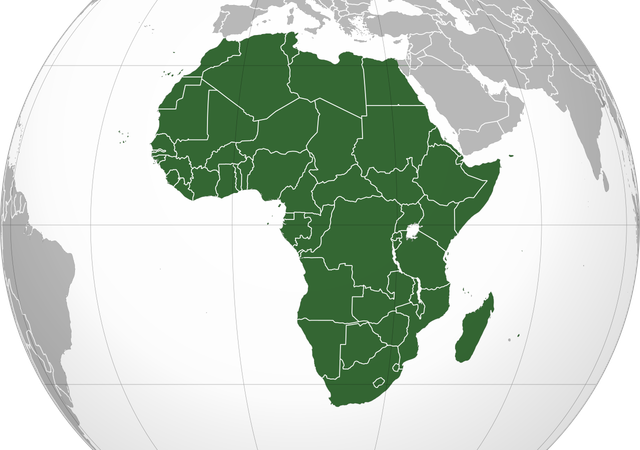
READ: Africa: Biography, History and Cultural Identity
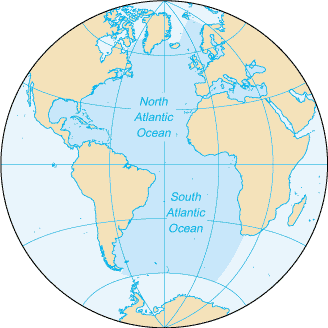
The Atlantic extends from the Arctic region in the north to the Southern Ocean in the south. The equator divides it into the North Atlantic and South Atlantic. Its wider ocean system includes important adjoining waters such as the Caribbean Sea and the Gulf of Mexico.
The ocean developed as the ancient supercontinent Pangaea broke apart and landmasses gradually moved away from one another. This geological process continues along the Mid-Atlantic Ridge, an immense underwater mountain system where tectonic plates separate and new ocean crust forms.
Iceland lies across this ridge, making processes usually hidden beneath deep water visible on land. Elsewhere, the Atlantic contains broad continental shelves, deep ocean plains and trenches. Its name comes from Atlas, a figure in ancient Greek mythology.
Exploration, migration and empire
Long before regular crossings connected its opposite shores, coastal peoples relied on Atlantic waters for food, transport and exchange. Norse voyagers reached North America centuries before Christopher Columbus made his voyages across the ocean.
European oceanic exploration later transformed the Atlantic into a central arena of empire. Spanish, Portuguese, British, French and Dutch expansion connected ports and territories through increasingly extensive maritime networks.
These connections brought profound and often devastating changes. European colonization dispossessed Indigenous peoples, while the transatlantic slave trade forcibly transported millions of Africans to the Americas. The Middle Passage remains central to understanding the ocean's human history.
The Atlantic also carried generations of migrants seeking work, refuge or new lives. Their journeys helped shape the populations, languages and cultures of countries around its shores. In later centuries, passenger liners became enduring symbols of ocean travel before aviation made crossings much faster.
Climate and marine life
The Atlantic plays a major role in the global climate system. Ocean currents redistribute heat, while exchanges between the sea and atmosphere influence weather far beyond the coastline.
The Gulf Stream carries warm water northward in the western North Atlantic. Together with the wider ocean circulation, it contributes to the movement of heat toward the North Atlantic and Europe. Scientists closely study Atlantic circulation because of its importance to regional and global climate.
Its habitats support whales, dolphins, sea turtles, seabirds and many fish species. Tropical coral reefs, coastal wetlands, open waters and deep seabed environments each sustain distinctive communities. Fishing has supported coastal livelihoods for centuries, although overfishing, pollution and warming waters place pressure on marine ecosystems.
A lasting global connection
The Atlantic remains a major corridor for international shipping. Its ports handle goods and energy supplies, while submarine communications cables carry digital information between continents. Much of the infrastructure connecting modern societies therefore still depends on the ocean floor.
READ: Pennsylvania: Biography, History and State Identity
Political and cultural language also reflects its importance. The term transatlantic commonly describes relationships between North America and Europe, including diplomatic cooperation, security partnerships and artistic exchange.
Yet the Atlantic's significance extends equally to Africa, the Caribbean and South America. Understanding it requires attention to all its shores. More than a stretch of water between distant observers, it is a shared environment whose history continues to shape economies, identities and international relationships.
More from Global News Biography. Further reading: Atlantic ocean on Wikipedia.
Are you interested in learning how to write professionally and earn money as a writer and content creator? Contact Auxi Chat today to start your writing journey immediately.
Need a professional website in 72 hours? Contact Auxi Chat
If you have an article, opinion piece, event or news story you would like published, Global News Arena would love to hear from you.