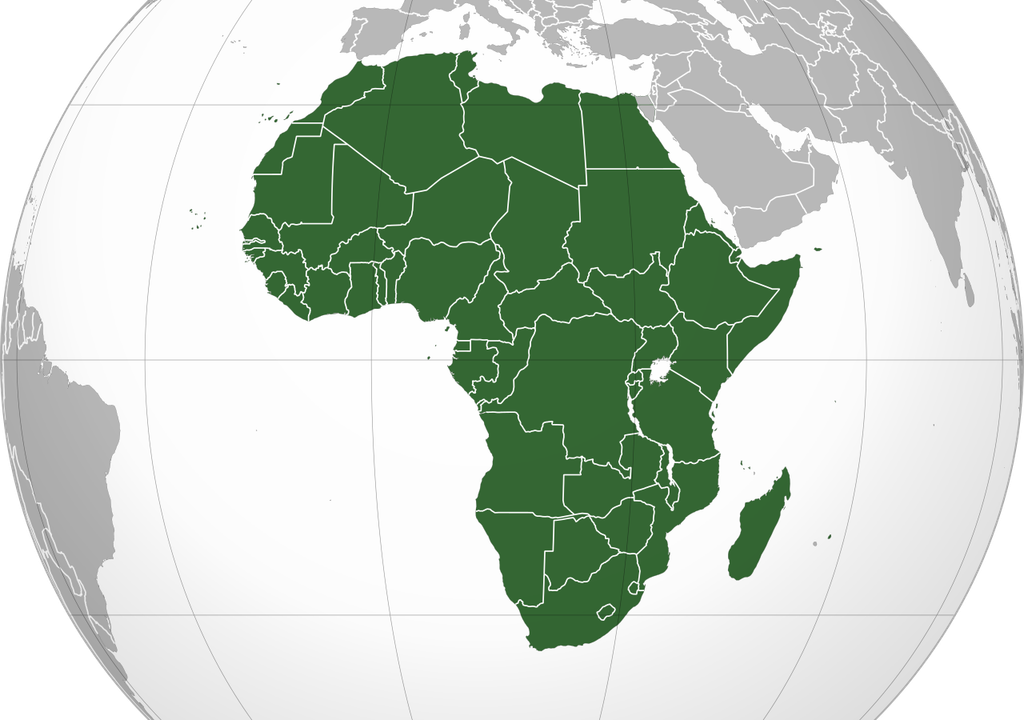
Africa is the world's second-largest continent by both land area and population. It is not a country or a single cultural community, but a vast collection of nations, landscapes, languages and traditions whose histories connect with every other part of the world.
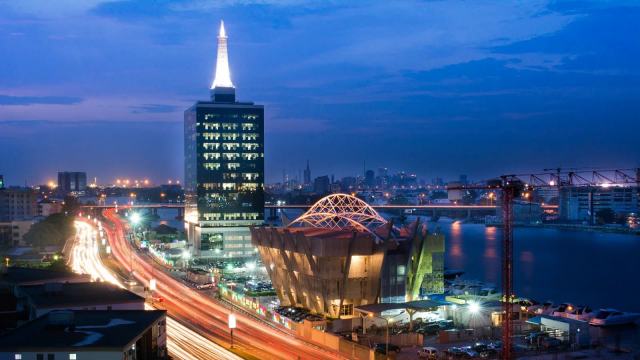
READ: Lagos: Biography, History and Cultural Identity
Widely recognised as the birthplace of humanity, Africa holds a central place in the story of human development. Its contemporary identity encompasses major cities, agricultural communities, global diasporas and creative industries that reach audiences far beyond the continent.
Geography and Regional Diversity
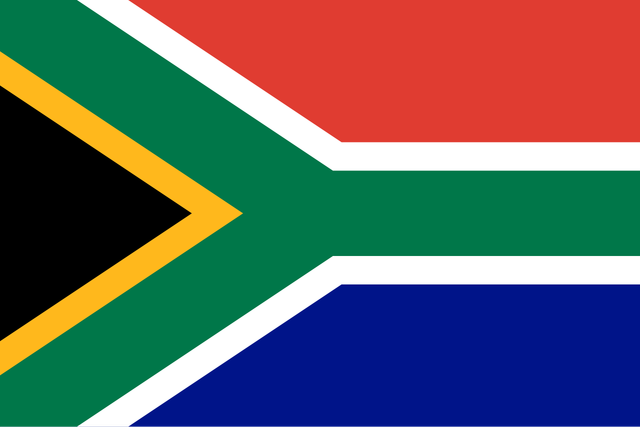
READ: South Africa: Biography, History and National Identity
Africa lies between the Atlantic Ocean to the west and the Indian Ocean to the east, with the Mediterranean Sea along its northern coast. The Red Sea separates part of northeastern Africa from the Arabian Peninsula. The equator crosses the continent, which extends into both the Northern and Southern hemispheres.
Its landscapes include the Sahara, the tropical forests of the Congo Basin, the East African highlands and extensive savannas. The Nile and Congo rivers are among its defining waterways, while Madagascar is its largest island.
North, West, Central, East and Southern Africa are useful regional groupings, but each contains considerable internal diversity. Climate, trade routes, migration and political history have shaped communities differently, making broad generalisations about African life unreliable.
Human Origins and Historical Change
Fossil and archaeological evidence places Africa at the centre of human origins. Modern humans emerged on the continent before spreading to other parts of the world, giving Africa a foundational role in humanity's shared past.
Across later history, African societies developed influential states, trading networks and intellectual traditions. Ancient Egypt grew along the Nile, while Kush flourished farther south. The empires of Ghana, Mali and Songhai shaped West African commerce and politics, and Great Zimbabwe became an important centre in southern Africa.
Connections across the Sahara and the Indian Ocean supported exchanges of goods, beliefs and knowledge. Coastal Swahili communities linked eastern Africa with trading partners across the ocean, while centres such as Timbuktu became associated with scholarship.
The transatlantic slave trade and European colonial rule caused profound disruption. African resistance and independence movements later transformed the political map. The African Union now provides a continental forum for cooperation, although governance and economic conditions vary widely among its member states.
Languages, Culture and Everyday Life
Africa is home to thousands of languages. Arabic, Swahili, Hausa, Amharic and Yoruba are among its widely spoken languages, alongside many others. English, French and Portuguese also serve official or public roles in numerous countries, reflecting colonial histories.
Religious life includes Christianity, Islam and diverse indigenous traditions. These beliefs interact with local customs in different ways, rather than forming one uniform continental experience.
African literature, music, fashion and visual art have substantial international influence. Writers such as Chinua Achebe, Ngũgĩ wa Thiong'o and Naguib Mahfouz illustrate the breadth of its literary traditions. Cultural exchange with African diasporas has also helped shape artistic expression around the world.
Cinema and International Reach
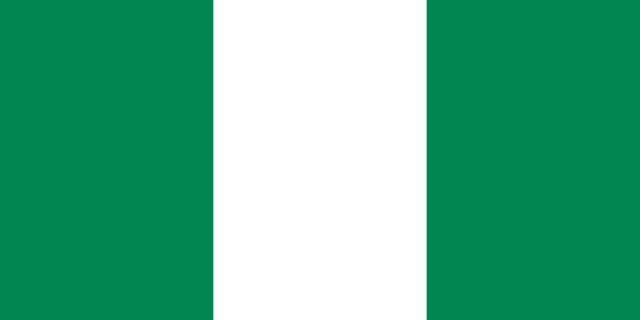
READ: Nigeria: Biography, History and Cultural Influence
African cinema consists of distinct national and regional industries rather than a single filmmaking system. Egypt has a longstanding Arabic-language film tradition, Nigeria's Nollywood has built a large popular audience, and South Africa has established production infrastructure serving local and international projects.
Senegalese filmmaker Ousmane Sembène helped establish African cinema as a powerful medium for telling African stories. Filmmakers across the continent continue to explore family, migration, social change, identity and political history through varied genres and languages.
For actors expanding their cinematic footprint across Africa, that diversity matters. Working across its markets can involve different languages, storytelling conventions and distribution networks. Festivals, collaborations and streaming services help films travel, but lasting connections depend on recognising the distinct audiences behind the continental label.
Are you interested in learning how to write professionally and earn money as a writer and content creator? Contact Auxi Chat today to start your writing journey immediately.
Need a professional website in 72 hours? Contact Auxi Chat
If you have an article, opinion piece, event or news story you would like published, Global News Arena would love to hear from you.