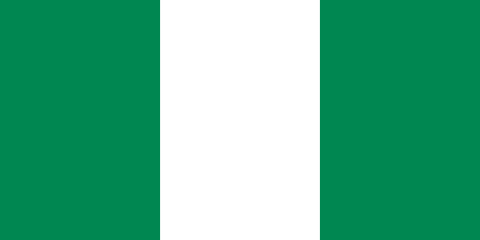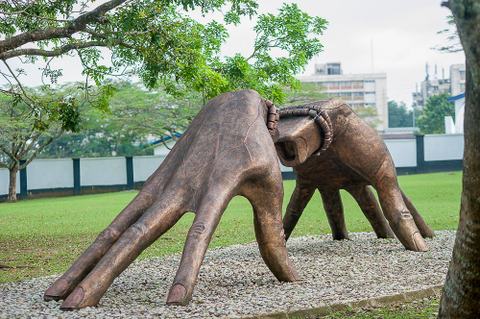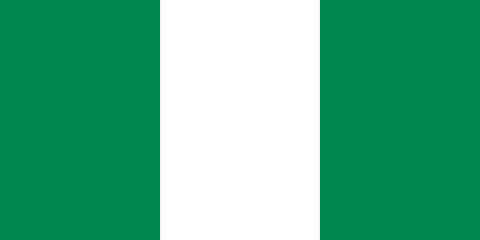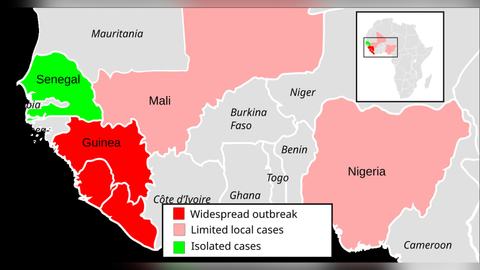

Nigeria is a West African country whose size, diversity and cultural energy give it a prominent place in African and global affairs. It is home to hundreds of ethnic groups and languages, major commercial cities and a film industry known worldwide as Nollywood.
READ: Nigeria: Biography, History and Cultural Identity
Its identity draws on traditions that long predate the modern state. Alongside its economic resources and creative achievements, Nigeria faces enduring challenges in governance, infrastructure, security and the distribution of wealth.
Read: Do you need a professional writer in 72 hours? Contact Auxi Chat
Nigeria: Geography and People
READ: Nigeria: Biography, History and National Identity
Nigeria lies on the Gulf of Guinea, bordered by Benin, Niger, Chad and Cameroon. Its landscapes range from coastal wetlands and tropical forests to central highlands and northern savannas. The Niger and Benue rivers meet at Lokoja, forming a major feature of the country’s geography.
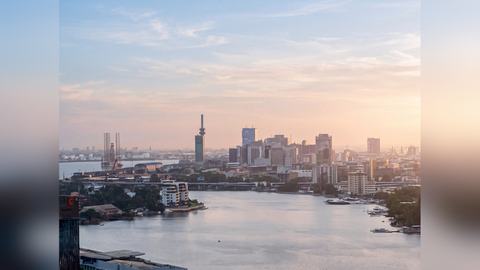
Abuja is the capital and seat of the federal government. Lagos, the former capital, remains a leading commercial and cultural centre. Other important cities include Kano, Ibadan, Kaduna, Enugu and Port Harcourt.
Read: Need a professional website in 72 hours? Contact Auxi Chat
The Hausa, Fulani, Yoruba and Igbo are among Nigeria’s largest ethnic communities. English is the official language, while Nigerian Pidgin and numerous indigenous languages shape everyday communication. Islam and Christianity are the largest religions, alongside indigenous religious traditions.
Historical Roots and Independence
The territory now called Nigeria has a long history of settlement, trade and political organisation. The Nok culture is known for its ancient terracotta sculptures. Later centres of power included the Hausa city-states, Kanem-Bornu, the Oyo Empire, the Kingdom of Benin and the Sokoto Caliphate.
Trade across the Sahara and along the Atlantic coast connected these societies to wider networks. The Atlantic slave trade caused immense suffering and disruption, while European commercial involvement eventually gave way to British colonial expansion.
In 1914, Britain amalgamated its Northern and Southern Nigerian administrations. Nigeria gained independence on 1 October 1960 and became a republic in 1963. The boundaries and institutions inherited from colonial rule brought diverse societies into a single national framework.
Government and National Development
Nigeria’s post-independence history includes civilian governments, military coups and prolonged periods of military rule. The Nigerian Civil War, fought from 1967 to 1970 after the declaration of the secessionist Republic of Biafra, remains a defining national tragedy.
Civilian rule returned in 1999. Nigeria is a federal republic with 36 states and the Federal Capital Territory. Its system includes an elected president, a bicameral National Assembly and governments at state and local levels.
Managing regional interests and building effective public institutions remain central tasks. Corruption, insecurity and uneven access to public services have constrained development, while civic organisations, journalists and voters continue to shape debates about accountability.
Economy and Everyday Enterprise
Oil and natural gas are central to Nigeria’s exports and public finances, with production concentrated in the Niger Delta and offshore fields. Dependence on petroleum has also exposed the economy to changing global energy prices.
Agriculture, trade, telecommunications, banking and other services support livelihoods across the country. Nigerian entrepreneurs have built influential businesses in technology and digital payments. Informal commerce also plays a substantial role in daily economic life.
Nollywood and Global Cultural Reach
READ: Nigeria: Biography, History and Cultural Influence
Nollywood expanded rapidly through video filmmaking in the 1990s, bringing locally rooted stories to mass audiences. Its films explore family, ambition, romance, faith and social pressures, reaching viewers across Africa and the diaspora.
Nigeria’s cultural influence extends well beyond cinema. Chinua Achebe and Wole Soyinka helped establish its international literary reputation. Fela Kuti pioneered Afrobeat, while later generations of artists brought Afrobeats to global audiences.
Fashion, food and football further connect Nigerians across borders. Through its diaspora, diplomacy and membership of organisations including the African Union and ECOWAS, Nigeria remains an important participant in regional and international life.
More from Global News Biography. Further reading: Nigeria on Wikipedia.
Are you interested in learning how to write professionally and earn money as a writer and content creator? Contact Auxi Chat today to start your writing journey immediately.
Need a professional website in 72 hours? Contact Auxi Chat
If you have an article, opinion piece, event or news story you would like published, Global News Arena would love to hear from you.