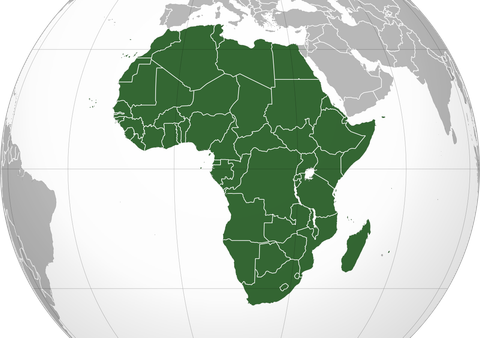
Nigeria is a West African country whose influence extends across politics, business, literature and popular culture. Its large population, diverse communities and energetic creative industries have made it an important source of African stories and entertainment. For audiences following Nigerian actors and musicians, the country provides essential context for their work and popularity.
READ: Nigeria: Biography, History and Cultural Influence
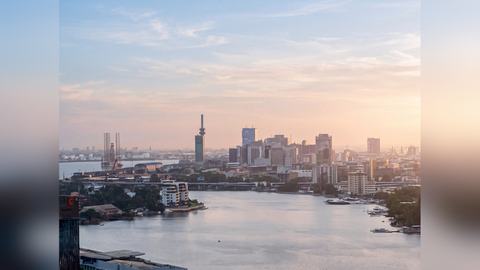
Officially the Federal Republic of Nigeria, it has Abuja as its capital and Lagos as its largest city and leading commercial centre. English is the official language, while hundreds of indigenous languages reflect a richly varied national identity.
Geography and People
READ: Nigeria: Biography, History and Cultural Identity
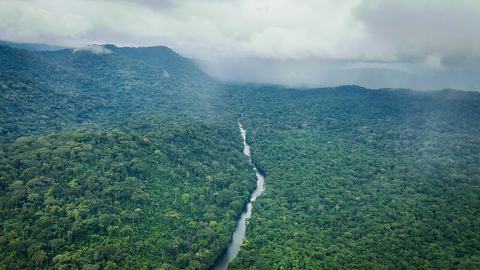
Nigeria borders Benin, Niger, Chad and Cameroon, with a southern coastline on the Gulf of Guinea. Its landscapes range from coastal wetlands and tropical forests to savanna and drier northern areas. The Niger and Benue rivers are central features of its geography.
The Hausa, Yoruba and Igbo are among its largest ethnic groups, alongside many other communities with distinct languages, histories and traditions. Islam and Christianity are the two largest religions, while indigenous beliefs also remain part of cultural life.
This diversity shapes food, clothing, festivals and storytelling. It also means that Nigerian identity cannot be reduced to a single language, religion or regional experience.
History and Nationhood
Long before modern Nigeria took shape, its territory contained influential kingdoms, states and trading societies. These included the Benin Kingdom, the Oyo Empire and the Hausa city-states. Their artistic, commercial and political traditions remain important to the country’s historical identity.
British colonial rule brought different territories under one administration. The northern and southern protectorates were amalgamated in 1914, creating the principal territorial framework of modern Nigeria. The country gained independence from Britain in 1960 and became a republic in 1963.
Post-independence history included military rule and the Nigerian Civil War, fought from 1967 to 1970 following the secession of Biafra. Civilian government returned in 1999. Nigeria now operates a federal system comprising 36 states and the Federal Capital Territory.
Nollywood and Popular Culture
Nigeria’s film industry, widely known as Nollywood, is central to its international cultural presence. Its modern commercial expansion was closely associated with the video-film boom of the 1990s, which helped locally produced stories reach audiences outside conventional cinemas.
Nollywood spans English-language productions and films in Yoruba, Igbo, Hausa and other languages. The Hausa-language industry, often called Kannywood, is centred in Kano. Together, these filmmaking traditions reflect different audiences and regional experiences.
Family relationships, romance, ambition, faith and social expectations are recurring screen themes. Familiar settings and recognisable dilemmas help actors build strong connections with viewers. Television, cinema, streaming services and social media provide further routes to recognition across Africa and among diaspora audiences.
Music adds another dimension to this reach. Fela Kuti helped pioneer Afrobeat, while contemporary Afrobeats has carried Nigerian performers to global audiences. These are related but distinct musical terms. Fashion, comedy and dance also contribute to the country’s cultural visibility.
Economy and Lasting Influence
READ: Uzor Arukwe: Biography, Career and Nollywood Success
Nigeria has one of Africa’s largest economies, with activity spanning agriculture, trade, telecommunications, finance and entertainment. Oil and gas are especially important to export earnings and public revenue, although livelihoods extend far beyond the petroleum industry.
The country also faces persistent challenges, including uneven access to electricity, economic inequality and insecurity in some regions. Such conditions affect everyday life and the practical demands of creative production without defining the whole national experience.
Nigerian writers, including Chinua Achebe and Nobel laureate Wole Soyinka, have helped shape world literature. Alongside film and music, their work illustrates the country’s enduring capacity to turn local experience into stories with international resonance.
Are you interested in learning how to write professionally and earn money as a writer and content creator? Contact Auxi Chat today to start your writing journey immediately.
Need a professional website in 72 hours? Contact Auxi Chat
If you have an article, opinion piece, event or news story you would like published, Global News Arena would love to hear from you.