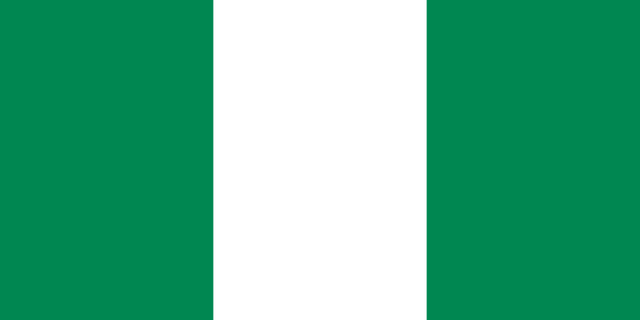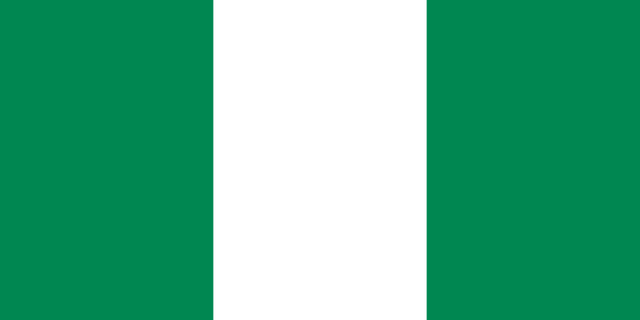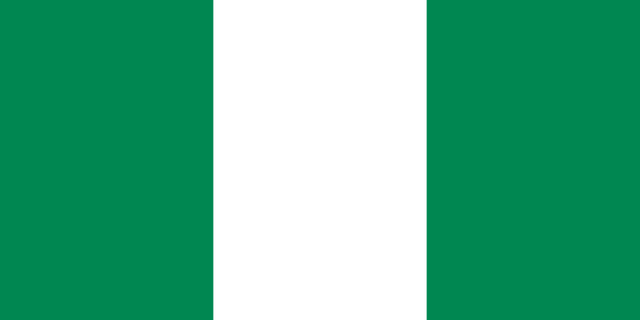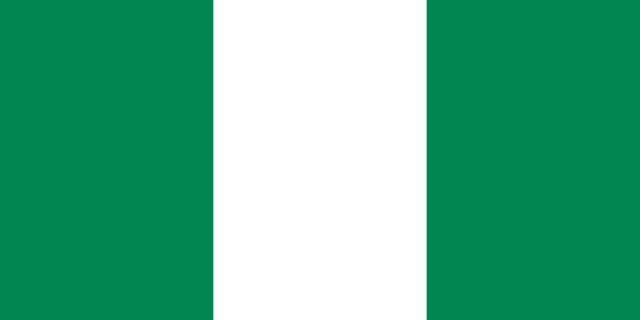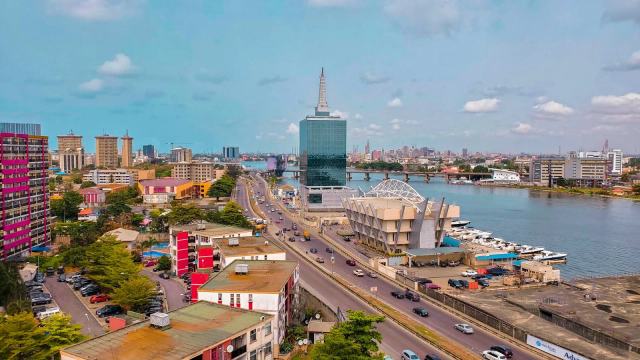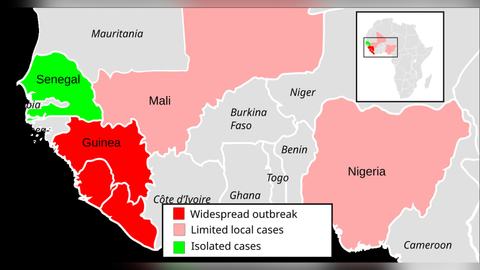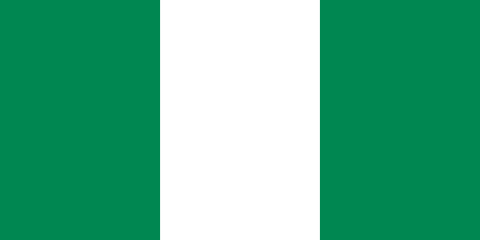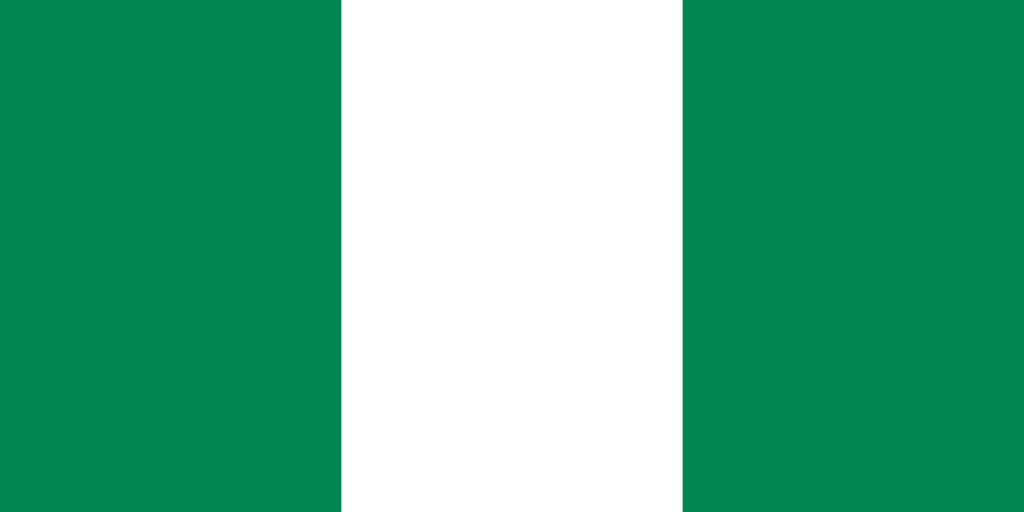
Nigeria is a West African country whose size, population and cultural influence give it a prominent place in African affairs. Officially the Federal Republic of Nigeria, it borders Benin, Niger, Chad and Cameroon, with a southern coastline on the Gulf of Guinea.
READ: Nigeria: Biography, History and Cultural Identity
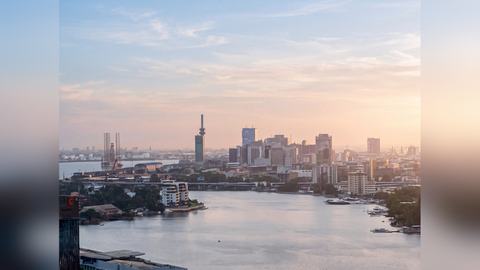
Abuja is the capital, while Lagos, the former capital, remains a leading commercial and cultural centre. English is the official language, but everyday life is shaped by hundreds of indigenous languages and a wide range of regional identities.
Geography and communities
READ: Nigeria: Biography, History and Cultural Influence
Nigeria's landscape stretches from coastal mangroves and tropical forests in the south to savanna and drier areas in the north. The Niger and Benue rivers are central geographical features, meeting at Lokoja before the Niger flows towards its delta and the Atlantic Ocean.
The country's largest ethnic groups include the Hausa, Yoruba and Igbo. Other communities include the Fulani, Ijaw, Kanuri, Ibibio and Tiv. These identities carry distinct languages, traditions and histories, although migration and urban life have created extensive connections between communities.
Islam and Christianity are the two largest religions, alongside indigenous beliefs and practices. Islam is especially prominent in the north and Christianity in much of the south, but neither region is religiously uniform. Religious and ethnic identities do not fit into simple geographical boundaries.
Historical foundations and independence
Long before the modern state emerged, the area contained influential kingdoms, trading networks and centres of learning. The Nok culture is known for its terracotta sculptures. Later societies included the Hausa city-states, the Kanem-Bornu empire, the Oyo empire and the Kingdom of Benin, celebrated for its artistic traditions.
European contact developed through coastal trade, including the transatlantic slave trade. British influence expanded during the nineteenth century through commerce, treaties and conquest. In 1914, Britain amalgamated its Northern and Southern Nigerian territories, establishing the broad administrative framework of modern Nigeria.
Nigeria gained independence from Britain on 1 October 1960 and became a republic in 1963. Its early years were marked by political rivalry and military coups. The attempted secession of Biafra led to a civil war from 1967 to 1970, with devastating humanitarian consequences.
Military governments dominated much of the following period, interrupted by civilian administration. The return to elected civilian rule in 1999 began the Fourth Republic, which remains the framework for national politics.
Government, economy and public challenges
Nigeria is a federal presidential republic with 36 states and the Federal Capital Territory. The president leads the executive branch, while the National Assembly consists of the Senate and House of Representatives. Federalism is central to debates over representation, public resources and regional autonomy.
Oil and natural gas are important sources of export earnings and government revenue. Agriculture, trade, telecommunications, financial services and creative industries also sustain the economy. A large informal sector supports livelihoods across cities and rural communities.
Development has been constrained by unreliable electricity, infrastructure gaps, corruption and uneven access to education and healthcare. Security challenges vary by region and include insurgency in the northeast, armed banditry and kidnapping in parts of the northwest, and communal violence in the Middle Belt.
Culture and international influence
READ: Nigeria: Biography, History and Digital Culture
Nigeria has a global cultural presence. Its film industry, widely known as Nollywood, reaches audiences across Africa and beyond. Nigerian musicians have helped bring Afrobeats to international prominence, building on a musical heritage that includes Fela Kuti's Afrobeat.
Writers such as Chinua Achebe, Wole Soyinka and Chimamanda Ngozi Adichie have shaped international literature. Football, food, fashion and diaspora communities further extend Nigeria's influence. Through the African Union, ECOWAS and international diplomacy, the country also plays a significant role in regional affairs.
Are you interested in learning how to write professionally and earn money as a writer and content creator? Contact Auxi Chat today to start your writing journey immediately.
Need a professional website in 72 hours? Contact Auxi Chat
If you have an article, opinion piece, event or news story you would like published, Global News Arena would love to hear from you.