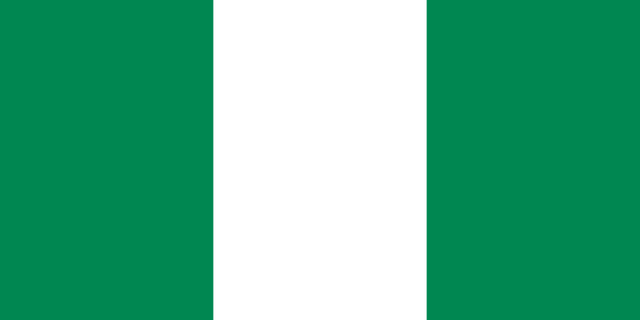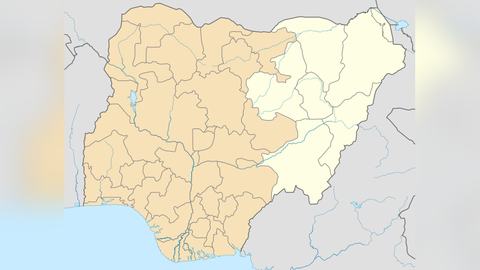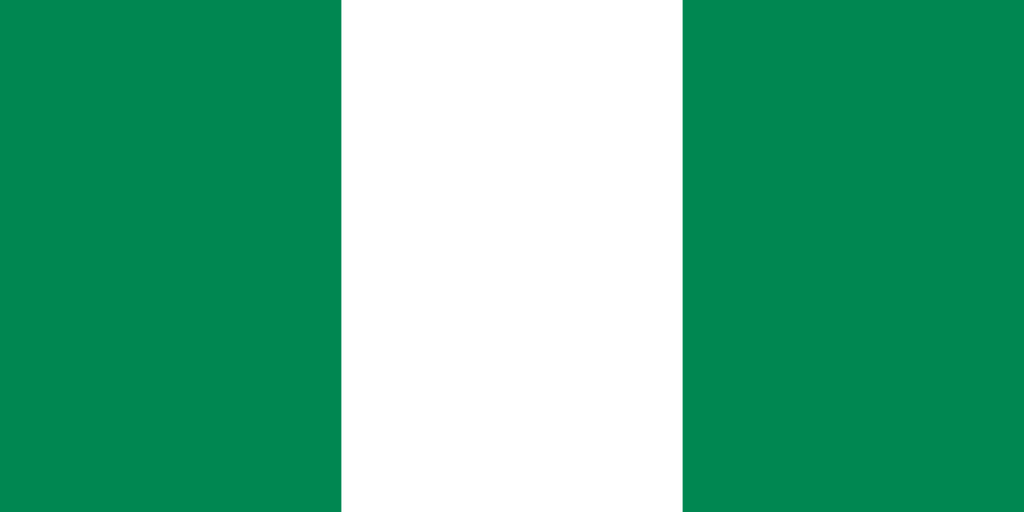
Nigeria is a West African country known for its cultural diversity, large population and influence across the continent. A federal republic with Abuja as its capital, it brings together communities with distinct languages, religious traditions and historical experiences.
READ: Nigeria: Biography, History and Cultural Identity
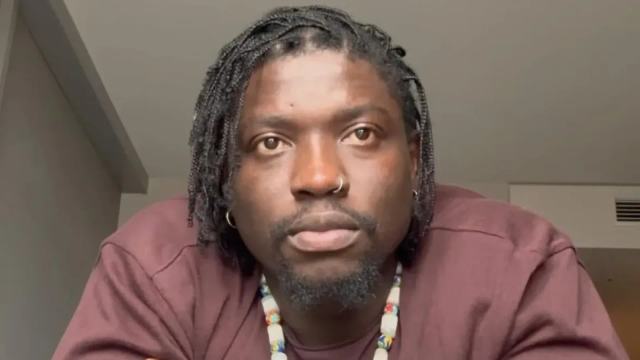
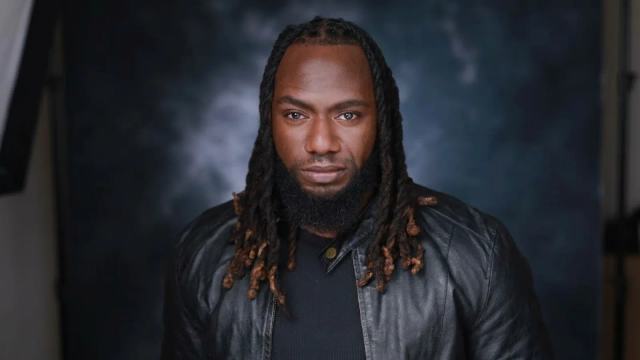
The country is also an important setting for understanding Nigerian public figures, including Shank Comics, whose upbringing and education are connected to it. Nigeria’s schools, urban communities and entertainment culture form part of the wider background against which many creative careers develop.
Geography and National Identity
READ: Lagos: Biography, History and Cultural Identity
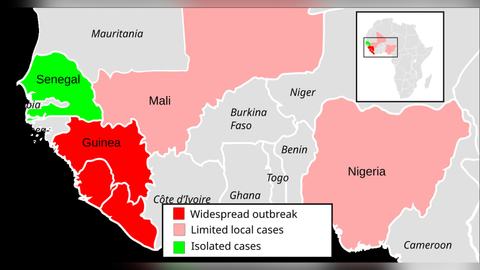
Nigeria borders Benin, Niger, Chad and Cameroon, with a southern coastline on the Gulf of Guinea. Its landscapes range from coastal wetlands and tropical forests to central grasslands and the drier areas of the north.
The Niger and Benue rivers are major geographical features. Their meeting point at Lokoja is a well-known landmark, while the Niger Delta contains extensive waterways and important oil-producing areas.
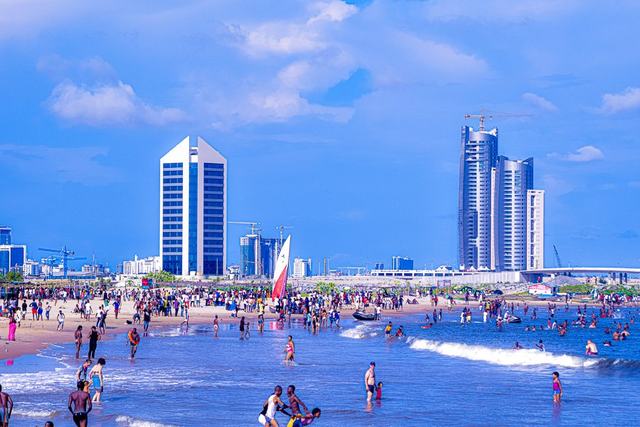
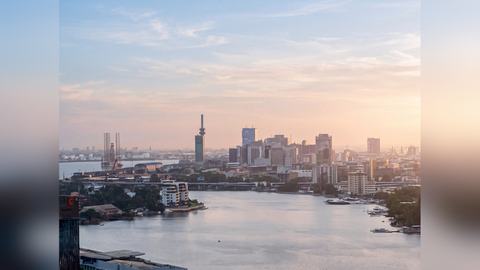
Lagos, the former federal capital, remains a leading commercial and cultural centre. Abuja was developed as a planned capital in a more central location. Other major cities include Kano, Ibadan, Port Harcourt and Enugu, each with its own economic and historical importance.
English is the official language, used in government, education and much national media. Hausa, Yoruba and Igbo are among the most widely spoken indigenous languages. Nigerian Pidgin also connects people across many linguistic and social backgrounds.
History and Government
Long before the modern state emerged, the territory contained established kingdoms, trading centres and political systems. These included the Benin Kingdom, the Oyo Empire, Hausa city-states and the Kanem-Bornu state. Their legacies remain visible in art, institutions and regional identities.
British colonial expansion brought these varied territories under imperial control. In 1914, the northern and southern protectorates were amalgamated, creating the administrative framework from which modern Nigeria developed.
Nigeria gained independence from Britain on 1 October 1960 and became a republic in 1963. Its later history included military governments and the Nigerian Civil War, fought from 1967 to 1970 after the declaration of the breakaway state of Biafra.
Civilian government returned in 1999. Nigeria operates a presidential system with 36 states and the Federal Capital Territory. Its political life reflects continuing debates about representation, public services, security and the relationship between federal and state authorities.
Education and Everyday Life
Education is an important route to professional opportunity and social mobility. Nigeria has public and private schools, universities, polytechnics and colleges of education. Long-established universities include the University of Ibadan, the University of Nigeria, Nsukka, and Obafemi Awolowo University.
Educational experiences vary considerably by location and household circumstances. Access, funding and infrastructure remain significant challenges, alongside strong demand for qualifications and vocational skills.
Family networks, religious communities and local associations play important roles in everyday life. Islam and Christianity are the two largest religions, while indigenous beliefs and customs also form part of the country’s heritage.
Economy and Cultural Influence
READ: South Africa: Biography, History and National Identity
Nigeria has one of Africa’s largest economies. Petroleum is central to export earnings, but agriculture, trade, telecommunications, finance and other services also support livelihoods. Small businesses and informal enterprise are prominent features of daily economic activity.
Its cultural reach extends well beyond its borders. Nollywood has made Nigerian filmmaking internationally recognisable, while Afrobeats has brought Nigerian musicians to global audiences. Writers including Chinua Achebe and Nobel laureate Wole Soyinka have shaped world literature.
Comedy and digital entertainment belong to this broader creative landscape. For readers exploring Shank Comics’s background, Nigeria provides essential context: a diverse country where education, local experience and popular culture intersect.
Are you interested in learning how to write professionally and earn money as a writer and content creator? Contact Auxi Chat today to start your writing journey immediately.
Need a professional website in 72 hours? Contact Auxi Chat
If you have an article, opinion piece, event or news story you would like published, Global News Arena would love to hear from you.