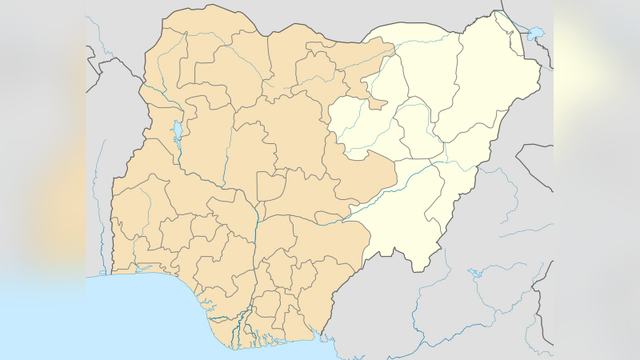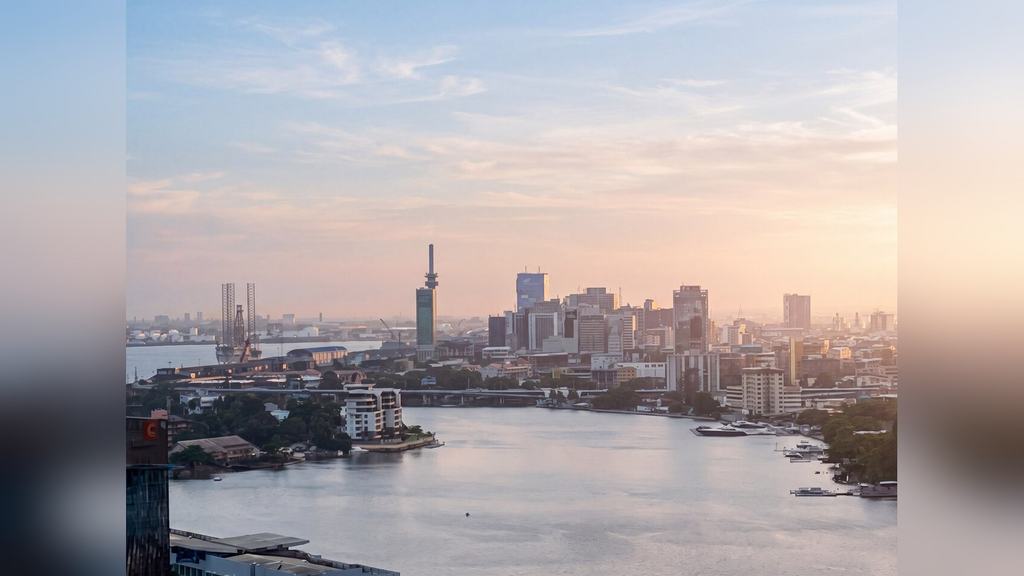
Lagos State occupies a narrow stretch of southwestern Nigeria along the Atlantic coast. It includes the city of Lagos and surrounding communities, combining densely built urban districts with fishing settlements, agricultural areas and expanding suburbs.
The state is central to Nigeria’s commercial life. Its ports, financial institutions, factories and technology businesses connect the country to regional and global markets. It is also a major centre for music, film, fashion and publishing.
Geography and major communities
Lagos State borders Ogun State to the north and east, the Republic of Benin to the west and the Atlantic Ocean to the south. Lagoons, creeks and coastal wetlands are defining features of its landscape, influencing transport, settlement and livelihoods.
Ikeja is the state capital and a major administrative and commercial district. Other important areas include Lagos Island, Ikorodu, Epe and Badagry. Lagos Island has long been a commercial and historical centre, while Badagry is known for its coastal heritage and sites associated with the transatlantic slave trade.
The terms Lagos State and Lagos city are often used interchangeably, but they are not identical. The state is a defined political unit, while metropolitan Lagos is an urban area whose growth extends into neighbouring Ogun State.
History and government
Lagos State was created in 1967 during Nigeria’s restructuring into 12 states. Its territory brought together the former Federal Territory of Lagos and areas previously administered as part of the Western Region.
The city of Lagos had served as Nigeria’s federal capital before that role moved to Abuja in 1991. The relocation did not remove Lagos’s economic importance, and many major companies and national institutions retained a strong presence there.
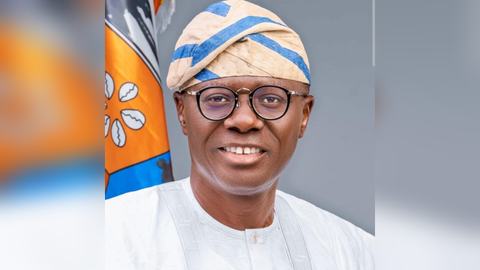
The state is governed through an elected executive and legislature, with Ikeja as the seat of government. Babajide Sanwo-Olu became governor in 2019. Local administration includes 20 constitutionally recognised local government areas, alongside additional local council development areas established by the state.
Economy and connections
Lagos has one of Nigeria’s most diverse economies. Banking, telecommunications, manufacturing, construction, retail and professional services operate alongside a vast informal sector of traders, artisans and small businesses.
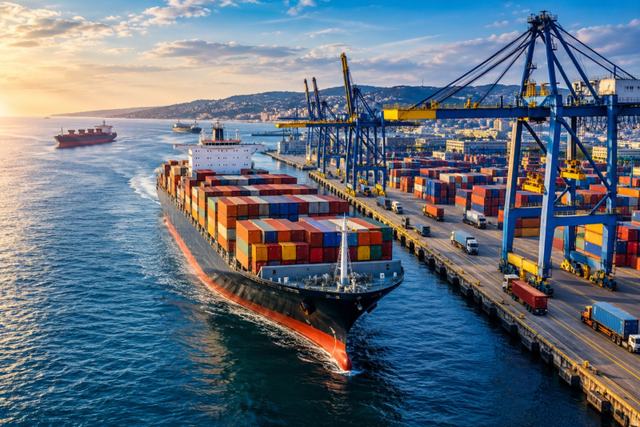
The ports at Apapa and Tin Can Island have long handled a substantial share of Nigeria’s maritime trade. The Lekki Deep Sea Port adds another major gateway, while Murtala Muhammed International Airport links Lagos with destinations across Africa and beyond.
Roads and bridges connect the mainland with island districts, but heavy traffic remains a persistent challenge. Bus rapid transit services, urban rail and ferries form part of efforts to improve movement across a metropolitan area shaped by both water and rapid development.
People, culture and urban pressures
Lagos has deep Yoruba roots and is home to communities from across Nigeria and other countries. English is used in government and business, while Yoruba, Nigerian Pidgin and many other languages are heard in everyday life.
This diversity supports a distinctive cultural scene. Lagos is closely associated with Afrobeat pioneer Fela Kuti and remains a major base for contemporary Afrobeats and Nollywood. Markets, galleries, restaurants, beaches and performance venues contribute to its social and creative life.
Rapid growth also places pressure on housing, drainage, waste collection, electricity and public services. Coastal flooding and the loss of wetlands create environmental concerns, especially in vulnerable settlements. For residents and policymakers, a central task is balancing economic opportunity with more reliable infrastructure, affordable living conditions and protection of the state’s coastal environment.