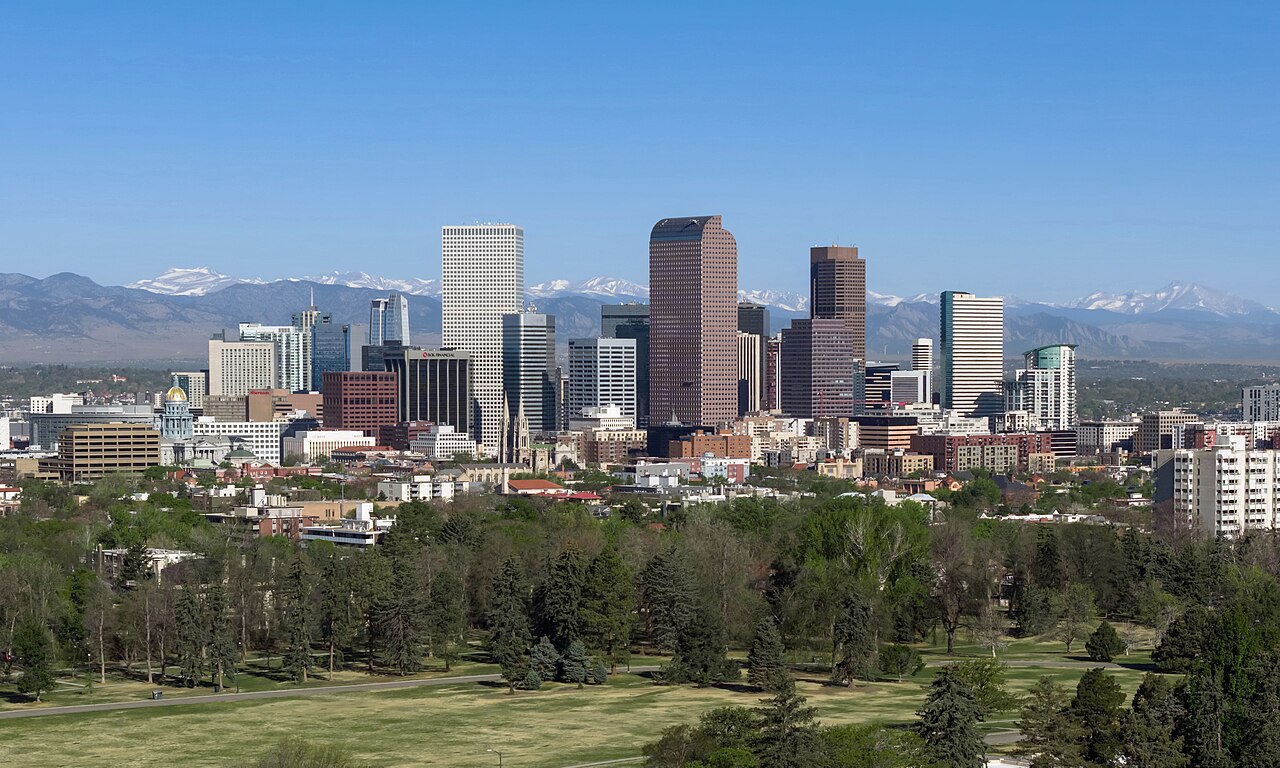
Denver is the capital of Colorado and the center of a metropolitan area that includes Lakewood, Aurora and other neighboring communities. Known as the Mile High City, it combines the institutions of a state capital with the commercial and cultural reach of a regional hub.
READ: Colorado: Biography, History and Mountain Identity
Its identity rests partly on geography. Denver stands on the high plains east of the Rocky Mountains, near the meeting of the South Platte River and Cherry Creek. The mountains form its western backdrop, but the city itself is not a mountain town.
Read: Do you need a professional writer in 72 hours? Contact Auxi Chat
Denver: Origins and early growth
READ: Regional Transportation District: Biography, History and Role
Long before Denver existed, Indigenous peoples lived, traveled and traded across the region. The area is associated particularly with the Cheyenne and Arapaho, while Ute history is deeply connected to the wider Colorado landscape. Denver’s expansion formed part of a broader settlement process that displaced Native communities.
Denver City was founded in 1858 during the gold rush that drew prospectors to the region. It was named for James W. Denver, a governor of Kansas Territory, which then included the settlement’s location. Early development centered on supplying miners and providing trade, lodging and other services.
Read: Need a professional website in 72 hours? Contact Auxi Chat
Denver became the territorial capital in 1867 and remained the capital when Colorado achieved statehood in 1876. Railroad connections helped turn a vulnerable frontier settlement into a lasting commercial center. Mining wealth, agriculture and trade supported its growth, while government gave it an enduring institutional role.
A capital with a regional economy
Denver is a consolidated city and county, a distinction that separates its municipal boundaries from the much larger metropolitan area. The Colorado State Capitol and surrounding civic buildings reflect its position as the seat of state government.
Its economy has broadened well beyond its early dependence on mining and railroad commerce. Government, professional services, finance, telecommunications, energy, technology and health care all contribute to the regional employment base. Tourism and conventions also connect Denver to visitors from across the country and abroad.
Denver International Airport is a major aviation hub on the city’s northeastern edge. Along with highway and rail connections, it reinforces Denver’s role as a gateway to Colorado and the wider Rocky Mountain region.
Neighborhoods, culture and sport
Denver’s built environment mixes historic commercial blocks, residential neighborhoods and modern development. Lower Downtown, commonly called LoDo, is known for its older warehouses and buildings adapted for restaurants, offices and housing. Union Station remains both a transportation landmark and a gathering place.
Cultural institutions include the Denver Art Museum, the Denver Museum of Nature & Science and the Denver Performing Arts Complex. Parks and public spaces, including City Park and Washington Park, provide places for recreation within the urban landscape.
Professional sports are another prominent part of local identity. The Denver Broncos, Denver Nuggets, Colorado Rockies and Colorado Avalanche represent the city across major American leagues. Denver’s food, arts and neighborhood traditions also reflect generations of migration, including longstanding Latino communities.
The wider metropolitan landscape
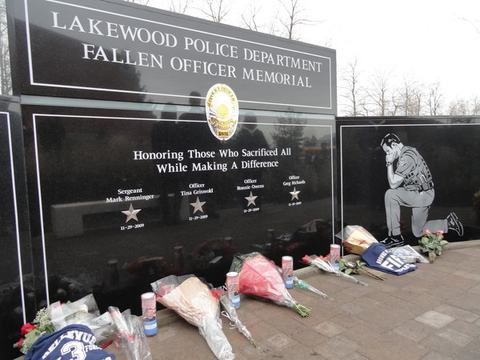
Denver functions within a network of neighboring cities rather than in isolation. Lakewood lies west of Denver, while Aurora extends to the east. Employment, education, shopping and recreation routinely take residents across municipal boundaries.
READ: United States: Biography, History and National Identity
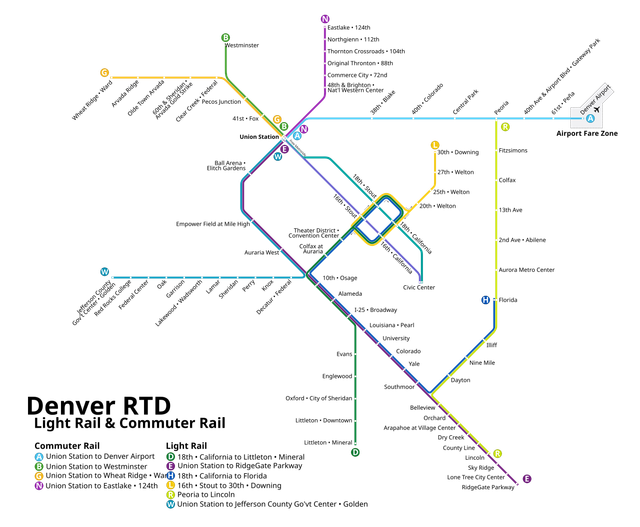
The Regional Transportation District, known as RTD, serves the Denver region through buses and rail services. Its network links communities across the metropolitan area, making regional transportation central to everyday life.
Denver’s Mile High nickname refers to its elevation of roughly one mile above sea level. Its dry climate, strong sunshine and proximity to outdoor recreation remain defining features. Balancing growth with housing needs, transportation and water resources is an enduring part of the city’s story.
More from Global News Biography. Further reading: Denver on Wikipedia.
Are you interested in learning how to write professionally and earn money as a writer and content creator? Contact Auxi Chat today to start your writing journey immediately.
Need a professional website in 72 hours? Contact Auxi Chat
If you have an article, opinion piece, event or news story you would like published, Global News Arena would love to hear from you.