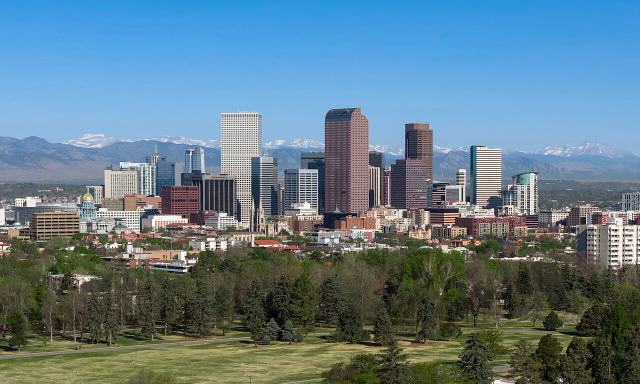
The Regional Transportation District, commonly known as RTD, is the public transportation agency serving Denver and surrounding communities in Colorado. Its buses and trains connect residential neighborhoods with employment centers, schools, medical facilities, shopping districts and Denver International Airport.
READ: Denver: Biography, History and Mile High Identity
RTD is a regional public entity rather than a department of Denver’s city government. That distinction shapes its mission: it must serve travel needs across municipal boundaries while balancing the priorities of a large and varied metropolitan area.
Read: Do you need a professional writer in 72 hours? Contact Auxi Chat
Regional Transportation District: Origins and Regional Purpose
READ: Colorado: Biography, History and Mountain Identity
The Colorado General Assembly created RTD in 1969 to develop and operate a regional public transportation system. Its establishment came as metropolitan Denver expanded and transportation planning increasingly required cooperation beyond individual cities.
During the 1970s, RTD brought existing bus operations into a unified regional system. This helped establish the foundation of the network that would later combine local buses, longer-distance routes and rail services.
Read: Need a professional website in 72 hours? Contact Auxi Chat
Buses remained central to the agency’s work. They could reach neighborhoods and destinations that fixed rail lines could not, while providing connections between suburban communities and central Denver. As development spread, RTD’s responsibilities grew more complex, encompassing both dense urban corridors and places where homes and jobs were farther apart.
Building a Rail Network
RTD opened its first light rail line in 1994. That service marked a major change for an agency previously identified mainly with buses and introduced the foundation for a wider rail network.
In 2004, voters approved FasTracks, a major transit expansion program supported by a sales tax increase. The program envisioned additional rail corridors, expanded transportation facilities and other improvements intended to strengthen regional connections.
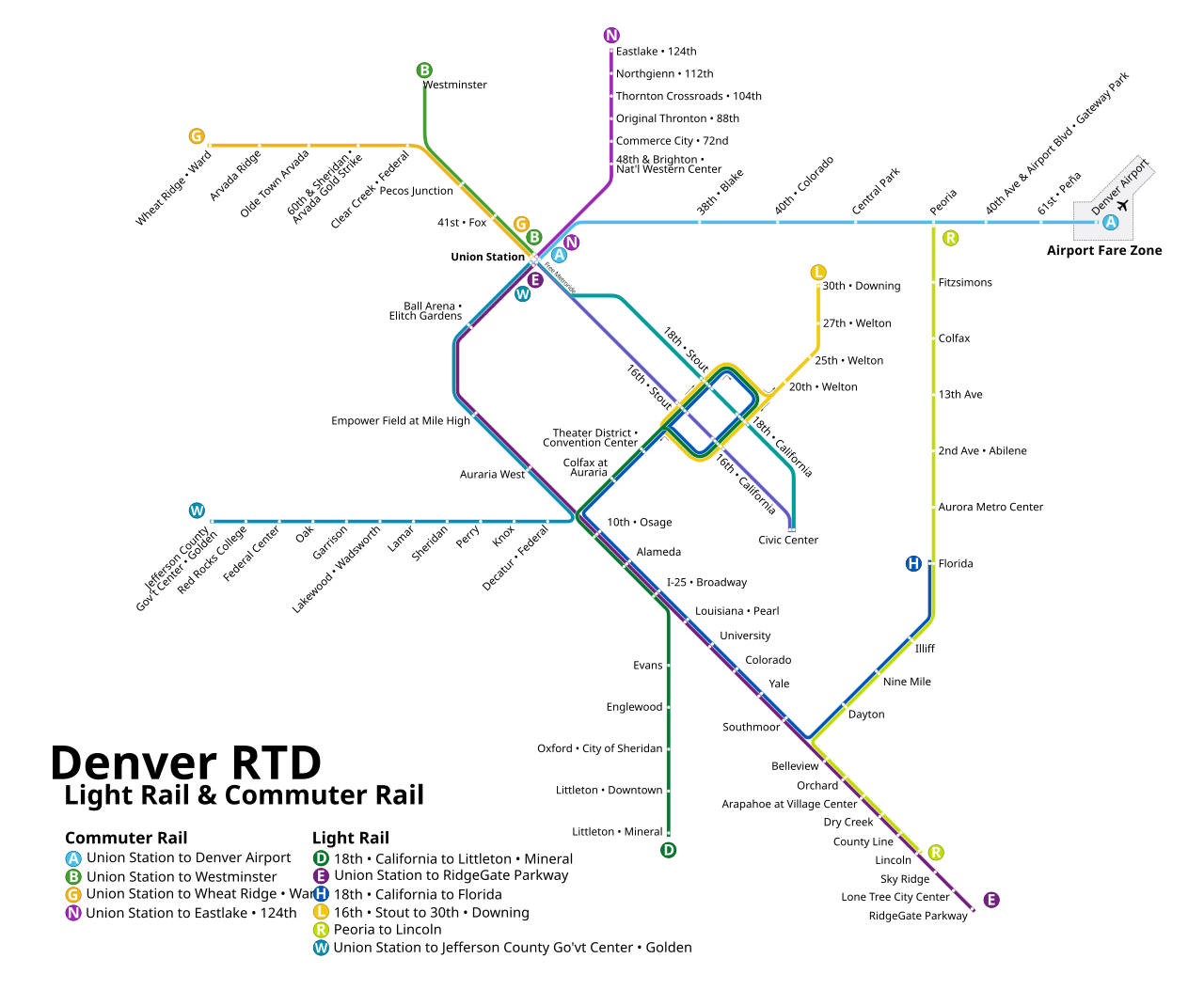
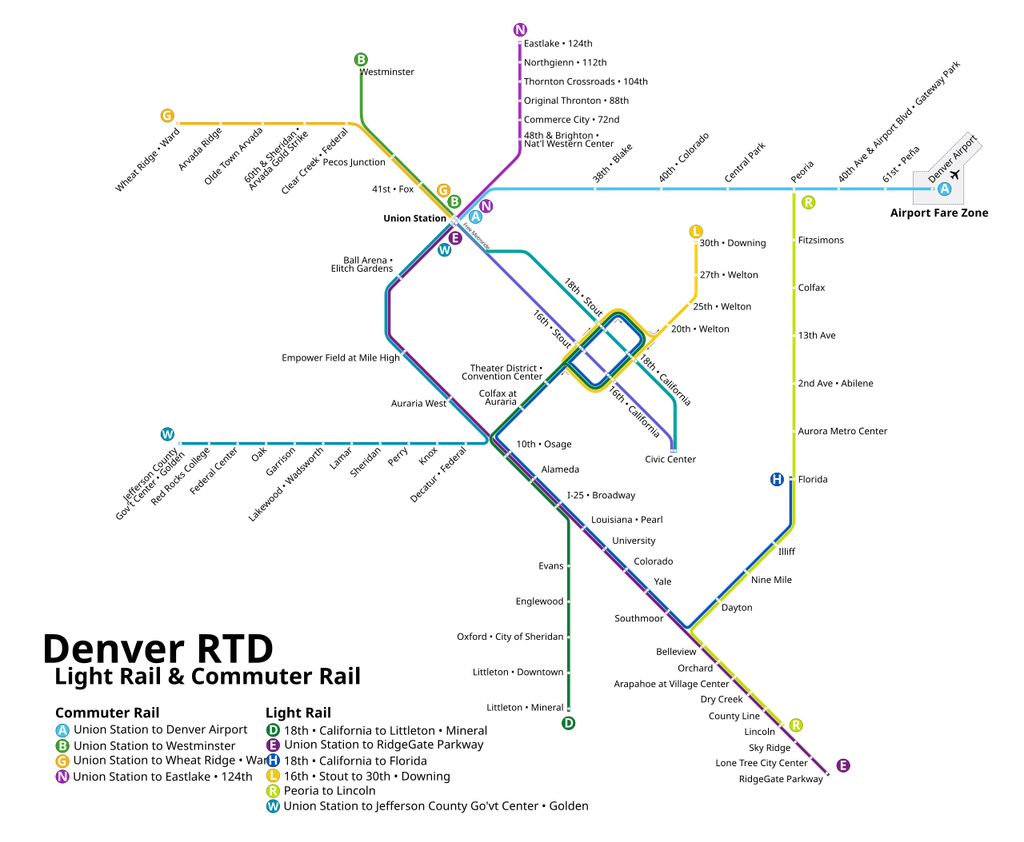
RTD’s rail system includes both light rail and commuter rail. Light rail serves corridors through Denver and several suburbs, while commuter rail provides connections along other regional routes. The A Line, which opened in 2016, links Denver Union Station with Denver International Airport.
Union Station became a central interchange in this network. Its combination of rail services and nearby bus facilities allows passengers to transfer between routes and makes it an important gateway to downtown Denver.
Services and Everyday Operations
Although trains are a visible part of RTD’s identity, buses remain essential to its reach. Local routes serve everyday neighborhood trips, while regional and airport services support travel over longer distances. Park-and-ride facilities allow some passengers to combine driving with transit.
RTD also operates Access-a-Ride, a paratransit service for eligible people with disabilities who cannot use the regular bus or rail network for some or all trips. Accessible vehicles and stations are another important part of the agency’s public service responsibilities.
Operating this system requires more than vehicles and tracks. RTD manages schedules, maintenance, passenger information, fare collection and safety functions. The usefulness of the network depends not only on where routes go, but also on how reliably services run and how easily passengers can make connections.
Governance and Lasting Significance
An elected board of directors governs RTD, representing districts within its service area. The agency’s funding includes sales tax revenue, passenger fares and government grants. Decisions about service levels and capital investment therefore involve both transportation planning and public financial accountability.
READ: Lakewood police: Biography, History and Public Safety
RTD faces the enduring challenge of serving a region with different development patterns and travel needs. Frequent service in busy corridors must be weighed against coverage for less densely populated communities, alongside maintenance and long-term investment.
Its lasting significance lies in giving the Denver region a shared transportation network. For people who cannot drive, prefer not to drive or want another way to reach major destinations, RTD provides an essential connection to regional life.
More from Global News Biography. Further reading: Regional Transportation District on Wikipedia.
Are you interested in learning how to write professionally and earn money as a writer and content creator? Contact Auxi Chat today to start your writing journey immediately.
Need a professional website in 72 hours? Contact Auxi Chat
If you have an article, opinion piece, event or news story you would like published, Global News Arena would love to hear from you.