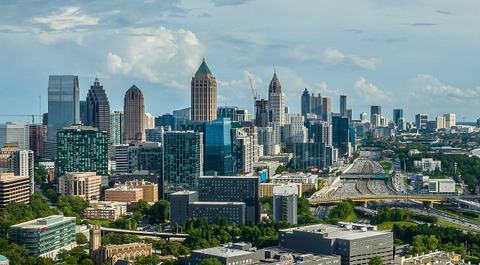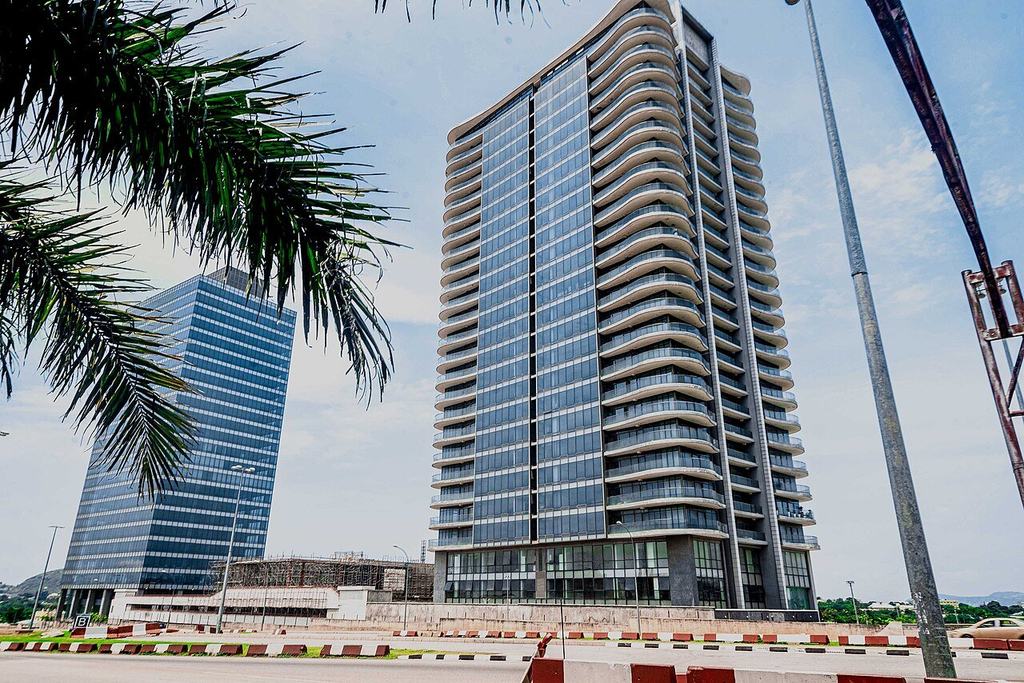
Abuja is the capital of Nigeria and the seat of its federal government. Located within the Federal Capital Territory, near the country's geographical centre, it brings together national institutions, diplomatic missions, businesses and communities drawn from across Nigeria.
READ: Nigeria: Biography, History and Digital Culture
Unlike many Nigerian cities that developed over centuries as trading or royal centres, modern Abuja was deliberately planned as a national capital. Its broad roads, government districts and prominent public buildings reflect that purpose, while its markets and expanding neighbourhoods reveal a more varied everyday life.
Abuja: Origins and the move from Lagos
READ: Nigeria: Biography, History and Cultural Identity
The land on which Abuja developed was not empty before the capital project began. Indigenous communities, including the Gbagyi, had longstanding connections to the area. Their history remains an important part of the wider territory's identity, alongside the story of the modern city.
Nigeria created the Federal Capital Territory in 1976 as part of a plan to move the capital from Lagos. Lagos had become increasingly congested, and its coastal location offered limited room for the kind of administrative expansion the government wanted.
A more central location was also intended to make the federal capital more accessible from different regions and less closely associated with any single major ethnic group. Abuja formally replaced Lagos as Nigeria's capital in 1991.
The transfer did not remove Lagos from national importance. Lagos remained a major commercial and cultural centre, while Abuja developed its own role around government, diplomacy and services.
Government and the city's layout
Abuja hosts the presidency, the National Assembly and the Supreme Court. Federal ministries and other public institutions make government a defining influence on the city's employment, transport and daily rhythms.
The city and the Federal Capital Territory are related but not identical. Abuja is the capital city within the wider territory, which also contains other towns, settlements and rural communities. The territory has a different administrative status from Nigeria's states.
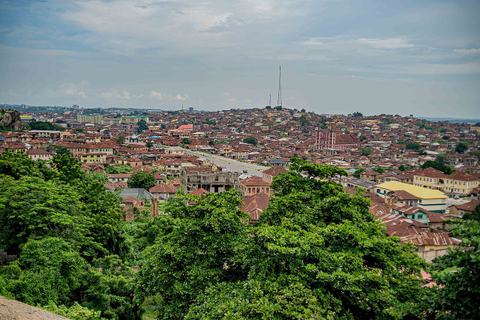
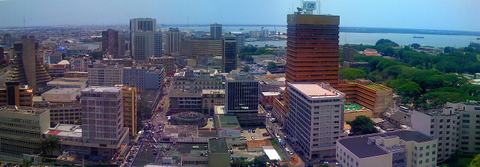
Central districts such as Garki, Wuse, Maitama and Asokoro are among Abuja's best-known areas. Planned road networks and designated residential, commercial and administrative zones distinguish much of the central city, although growth has extended well beyond its original core.
Embassies, hotels and conference venues reinforce Abuja's international role. Official meetings and professional gatherings bring visitors from across Nigeria and abroad, supporting businesses beyond the public sector.
Landscape and familiar landmarks
Abuja's setting combines built-up districts with rocky hills and stretches of savanna landscape. Aso Rock, the large rock formation near the presidential complex, is one of its most recognisable natural features. Its name is also commonly used as shorthand for the presidency.
The Abuja National Mosque and the National Christian Centre are prominent religious landmarks. Together, they reflect the public visibility of Nigeria's major religious traditions in the federal capital.
Millennium Park provides a well-known green space for recreation. Abuja also has a tropical climate with distinct wet and dry seasons, while the harmattan can bring dry, dusty conditions during part of the year.
Everyday life and a growing identity
Life in Abuja extends beyond politics. Markets, restaurants, places of worship and entertainment venues serve a population with varied regional and cultural backgrounds. English is widely used, alongside Nigerian Pidgin and numerous Nigerian languages.
READ: Cross River State: Biography, History and Culture
The city is also home to media personalities and online creators, including VeryDarkMan, who is based there. Such residents form part of an urban identity that reaches beyond Abuja's official institutions.
Rapid growth has brought challenges, including housing costs, pressure on infrastructure and long journeys between outer communities and central workplaces. These experiences sit alongside the carefully planned image of the capital. Abuja's continuing story is therefore both institutional and personal: a national seat of power that is also a place where people build ordinary lives.
More from Global News Biography. Further reading: Abuja on Wikipedia.
Are you interested in learning how to write professionally and earn money as a writer and content creator? Contact Auxi Chat today to start your writing journey immediately.
Need a professional website in 72 hours? Contact Auxi Chat
If you have an article, opinion piece, event or news story you would like published, Global News Arena would love to hear from you.