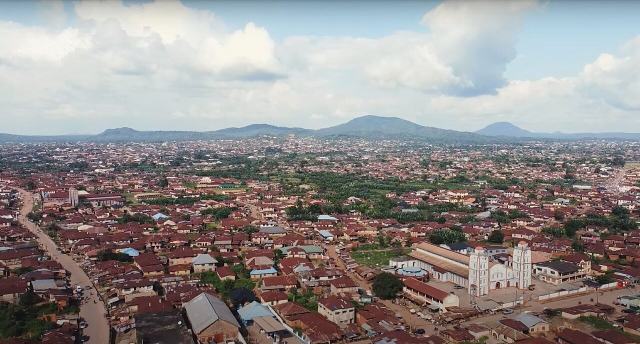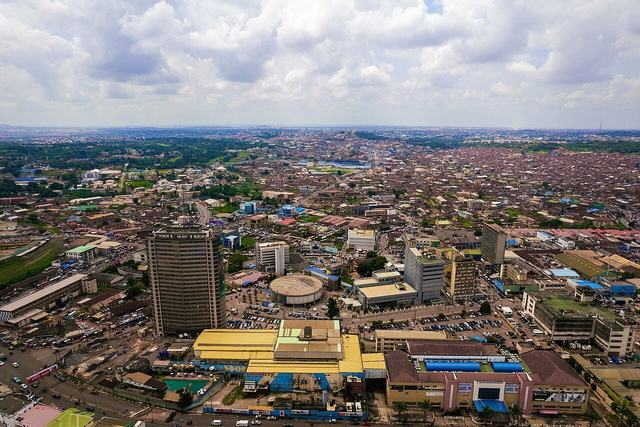
Ogun State occupies an important place in Nigeria’s cultural and economic history. Known as the Gateway State, it links Lagos with other parts of southwestern Nigeria and shares an international boundary with the Republic of Benin.
READ: Ile-Ife: Biography, History and Cultural Heritage
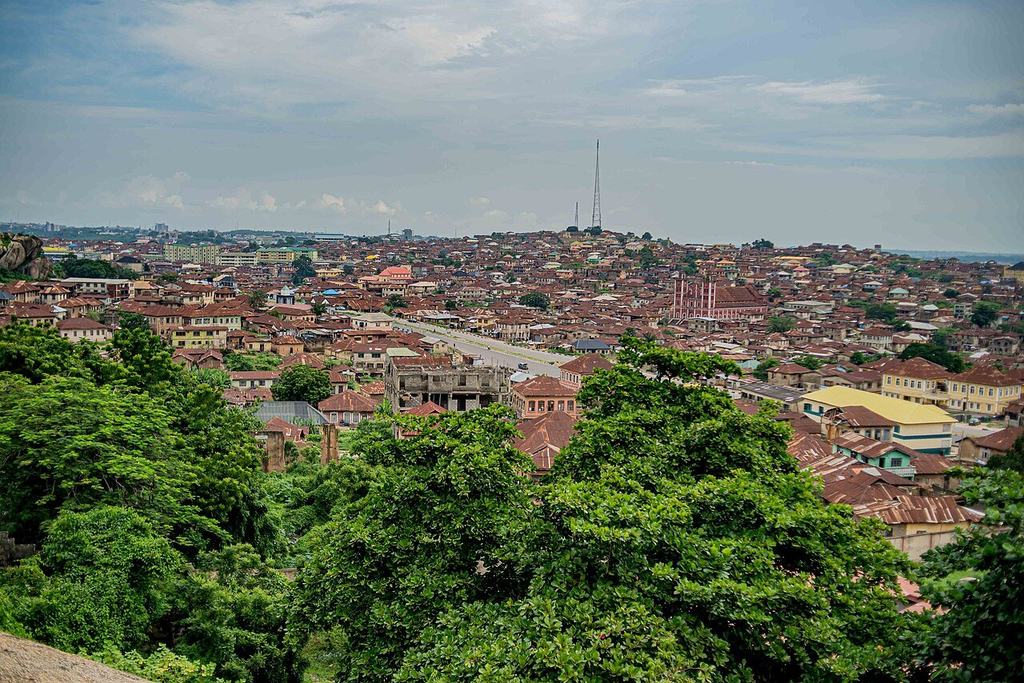
Its capital, Abeokuta, is closely associated with Olumo Rock and the history of the Egba people. Beyond the capital, the state includes established commercial, educational and traditional centres such as Ijebu-Ode, Sagamu, Ilaro and Ota.
Origins and historical identity
READ: Oyo State: Biography, History and Cultural Heritage
Ogun State was created on 3 February 1976 from the former Western State. It takes its name from the Ogun River, which flows through southwestern Nigeria and forms part of the region’s geographical identity.
The communities within its boundaries have histories that long predate the modern state. Its major Yoruba groups include the Egba, Ijebu, Remo and Yewa, also historically known as Egbado. Each has distinctive traditions, institutions and patterns of settlement within a shared Yoruba cultural setting.
Abeokuta developed as an Egba settlement in the nineteenth century, with Olumo Rock serving as a place of refuge and protection. The city’s name is commonly translated as “under the rock,” reflecting the landmark’s central role in its identity.
Traditional institutions remain prominent across the state. The Alake of Egbaland, the Awujale of Ijebuland and the Akarigbo of Remoland are among its best-known traditional rulers.
Geography, towns and working life
Ogun borders Lagos, Oyo and Osun states, as well as Ondo State and the Republic of Benin. Its location gives it an important role in domestic transport, cross-border trade and the movement of goods into and out of Lagos.
The landscape includes forested areas, farmland, river systems and expanding urban settlements. Agriculture remains part of everyday life, with crops such as cassava, maize, rice and cocoa grown in different areas.
Industry is another defining feature. Manufacturing corridors around Ota, Agbara and Sagamu accommodate businesses producing cement, food, beverages and other goods. Limestone deposits have helped support cement production, while proximity to Lagos provides access to a large market.
These economic activities exist alongside older trading networks and craft traditions. Markets continue to connect rural producers, artisans and urban consumers throughout the state.
Culture, landmarks and education
Yoruba language and customs shape much of Ogun’s cultural life, although its commercial towns also attract residents from other backgrounds. Christianity, Islam and traditional religious practices form part of its social landscape.
Abeokuta is especially associated with adire, the indigo-dyed textile tradition recognised for its patterned designs. Textile production and trading preserve practical skills while providing livelihoods for artisans and merchants.
Olumo Rock is one of the state’s most recognisable visitor attractions. In Ijebu-Ode, the Ojude Oba festival brings together age-grade groups, families and participants in elaborate dress in a public celebration of community and traditional authority.
Education is another important strand of Ogun’s identity. Its institutions include the Federal University of Agriculture, Abeokuta; Olabisi Onabanjo University; and Covenant University. Together with schools and other colleges, they reinforce the state’s longstanding association with learning.
Notable people and wider influence
READ: La Liga: Biography, History and Spanish Football Legacy
Ogun has strong connections to influential figures in politics, literature, music and social reform. Obafemi Awolowo, Wole Soyinka, Fela Kuti and Funmilayo Ransome-Kuti are among the prominent Nigerians associated with communities in the state.
Its place in contemporary popular culture also extends to younger entertainers. Shank Comics grew up in Ogun State, making it part of the background to his later career in comedy and online entertainment.
Ogun’s wider significance lies in this combination of heritage and opportunity. Historic communities, traditional institutions, educational centres and industrial towns all contribute to a state whose influence reaches well beyond its borders.
Are you interested in learning how to write professionally and earn money as a writer and content creator? Contact Auxi Chat today to start your writing journey immediately.
Need a professional website in 72 hours? Contact Auxi Chat
If you have an article, opinion piece, event or news story you would like published, Global News Arena would love to hear from you.