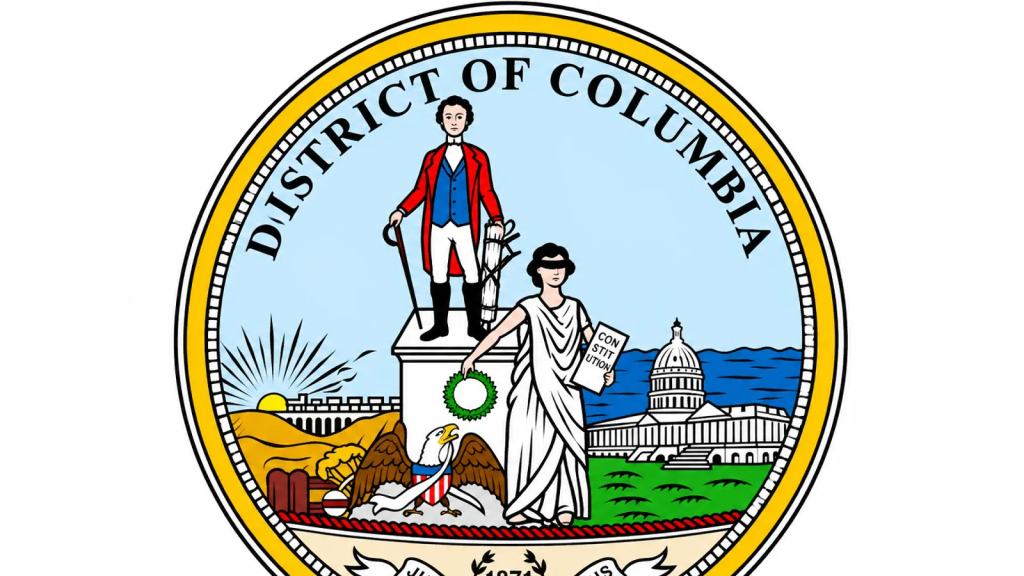
The D.C. Council, formally the Council of the District of Columbia, is the legislative branch of Washington, D.C.’s local government. It serves residents of the nation’s capital, a federal district rather than a state, and works alongside an independently elected mayor.
READ: Washington, D.C.: Biography, History and Civic Life
The council’s responsibilities touch much of everyday life, including education, housing, transportation, public safety and social services. It passes local legislation, approves the District’s budget and examines how government agencies use their authority and resources.
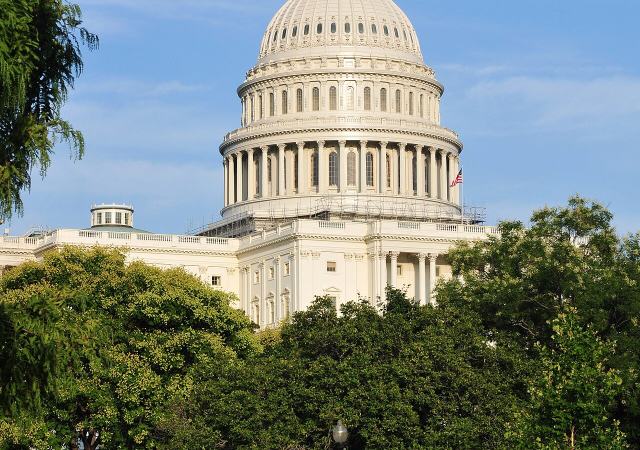
Its position is unusual in American government. Although it performs many functions associated with city councils and state legislatures, its authority is subject to limits established by Congress.
READ: United States: Biography, History and National Identity
D.c. council: Origins and Home Rule
Washington’s local governing arrangements changed repeatedly before the modern council took shape. For much of its history, the District was administered through structures controlled by the federal government, leaving residents without the elected local leadership familiar elsewhere in the country.
The District of Columbia Home Rule Act of 1973 established the framework for an elected mayor and council. Voters chose the first officials under that system in 1974, and the new government began operating in 1975.
Home rule gave residents a stronger voice in local decisions, but it did not make Washington a state or remove congressional authority. The resulting system combined elected local government with continuing federal supervision.
The council meets in the John A. Wilson Building, a central landmark of District government that also houses the mayor’s office.
Membership and Elections
The council has 13 members: a chairman elected across the District, four other at-large members and eight members representing individual wards. This structure combines neighborhood representation with officials accountable to voters citywide.
Members serve four-year terms, with elections staggered so that not every seat is contested at once. The chairman leads the legislative body and plays a central role in organizing its work.
The Home Rule Act includes a political diversity provision for the four at-large seats other than chairman. No more than two of those seats may be held by members of the same political party.
Council membership is separate from the District’s federal representation. Washington’s nonvoting delegate in the U.S. House of Representatives and its shadow congressional representatives do not hold council seats by virtue of those offices.
Legislation, Budgets and Oversight
The council considers bills through a committee system, public hearings and legislative meetings. Committees examine proposals within particular policy areas and hear from government officials, residents, advocates and other interested parties.
Legislation approved by the council generally goes to the mayor, who may sign it or veto it. The council can override a mayoral veto with the required supermajority.
Budget decisions are another major responsibility. The mayor proposes a spending plan, and the council reviews and revises it before approval. These choices help determine which services receive funding and how local priorities are put into practice.
Oversight extends beyond passing laws. Council committees question agency leaders, assess performance and examine spending. The council also considers nominations to various government positions, boards and commissions.
Federal Limits and Lasting Significance
READ: Ajman: Biography, History and Life in the Emirate
Congress retains constitutional authority over the District. Local legislation is generally subject to a congressional review period, and Congress can intervene in District affairs through legislation and federal spending measures.
These constraints distinguish the council from legislatures in the states. It cannot independently settle questions of statehood or secure voting representation in Congress.
Within those limits, the council remains a central institution of local democracy. Its lasting significance lies in giving Washington residents an elected forum for shaping public policy, scrutinizing government and debating the future of their communities.
More from Global News Biography. Further reading: D.c. council on Wikipedia.
Are you interested in learning how to write professionally and earn money as a writer and content creator? Contact Auxi Chat today to start your writing journey immediately.
Need a professional website in 72 hours? Contact Auxi Chat
If you have an article, opinion piece, event or news story you would like published, Global News Arena would love to hear from you.