Portugal’s national team represents the country in men’s international football and is governed by the Portuguese Football Federation. Recognised by its red and green colours, the team has built a worldwide following through gifted players, memorable tournament performances and major European titles.
READ: Eusébio: Biography, Career and Football Legacy
Known as the Seleção, Portugal carries a football identity shaped by technical skill, creativity and strong club academies. Its story is not one of uninterrupted dominance, but of successive generations turning individual talent into lasting international influence.
Read: Do you need a professional writer in 72 hours? Contact Auxi Chat
Portugal’s national team: Origins and the Eusébio era
READ: UEFA Nations League: Biography, History and Format
Portugal played its first official international match in 1921, against Spain. For much of its early history, the team remained outside the leading group of international contenders and struggled to qualify for major tournaments.
That changed dramatically at the 1966 World Cup in England. Making its first appearance at the tournament, Portugal finished third, a result that remains a landmark in the country’s sporting history.
Read: Need a professional website in 72 hours? Contact Auxi Chat
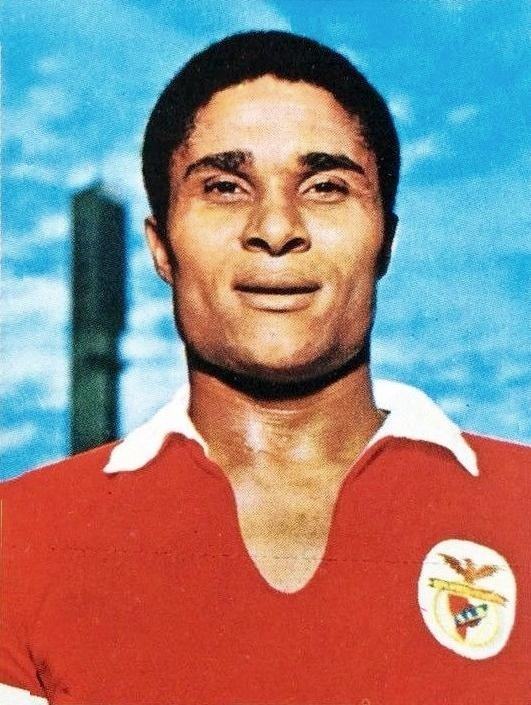
Eusébio was the defining player of that campaign. Born in Mozambique when it was under Portuguese colonial rule, the Benfica forward scored nine goals to finish as the tournament’s leading scorer. His pace, power and finishing made him one of football’s most celebrated figures.
Portugal’s comeback against North Korea in the quarter-finals became an enduring part of World Cup history. Trailing by three goals, the team recovered to win 5-3, with Eusébio scoring four times.
A new generation takes shape
Portugal did not immediately turn its 1966 success into regular tournament appearances. There were long gaps between major breakthroughs, although a run to the semi-finals of the 1984 European Championship demonstrated the team’s potential.
A stronger foundation emerged through youth football. Portugal won the FIFA World Youth Championship, now known as the Under-20 World Cup, in 1989 and 1991. Those achievements helped establish the reputation of a gifted generation featuring players such as Luís Figo and Rui Costa.
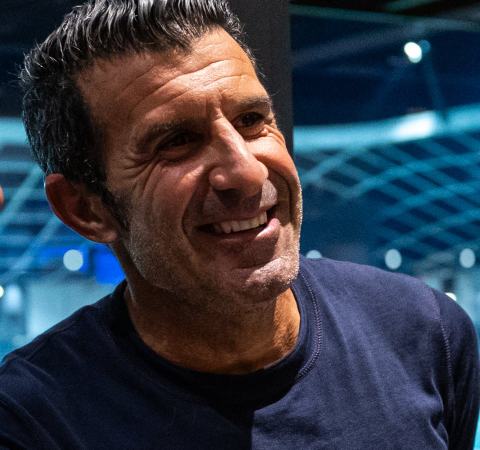
Figo became a leading figure in the senior team, combining individual excellence with experience at some of Europe’s biggest clubs. Alongside players including João Vieira Pinto and Fernando Couto, he helped restore Portugal’s standing.
The team reached the semi-finals of Euro 2000 and the final of Euro 2004, which Portugal hosted. Defeat by Greece in the latter was a painful disappointment, but reaching the final showed how far the national side had progressed.
Ronaldo and the breakthrough titles
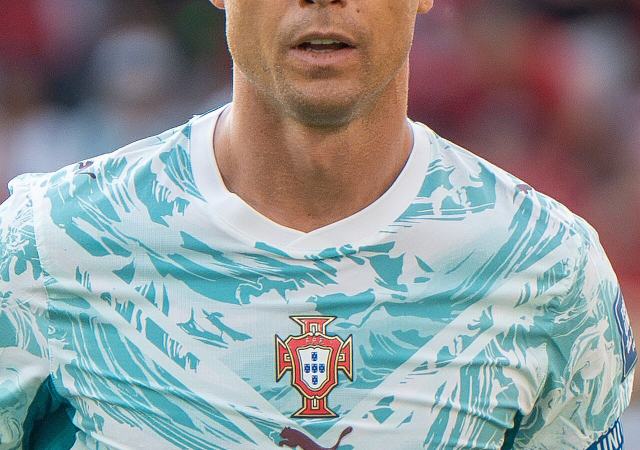
Cristiano Ronaldo made his senior international debut in 2003 and became the central figure of Portugal’s next era. His longevity, scoring and captaincy made him inseparable from the team’s modern identity.
Portugal reached the World Cup semi-finals in 2006, finishing fourth. Further European Championship campaigns reinforced its status as a regular contender, though a senior international title remained elusive.
The breakthrough came at Euro 2016 under coach Fernando Santos. Portugal defeated host nation France 1-0 after extra time in the final, with Éder scoring the decisive goal. Ronaldo left the match injured, making the victory a powerful demonstration of the squad’s collective strength.
Portugal added the inaugural UEFA Nations League title in 2019, beating the Netherlands in the final. Ronaldo also established himself as the leading scorer in men’s international football.
Identity and lasting influence
READ: Portugal: Biography, History and National Identity
Portugal’s national side draws on a development system associated with clubs including Benfica, Sporting CP and Porto. Successive generations have supplied technically accomplished players to major European leagues.
Its support extends beyond Portugal to Portuguese communities around the world. From Eusébio to Figo and Ronaldo, the team’s leading figures have connected different eras while giving a relatively small country an enduring place on football’s biggest stages.
More from Global News Biography. Further reading: Portugal’s national team on Wikipedia.
Are you interested in learning how to write professionally and earn money as a writer and content creator? Contact Auxi Chat today to start your writing journey immediately.
Need a professional website in 72 hours? Contact Auxi Chat
If you have an article, opinion piece, event or news story you would like published, Global News Arena would love to hear from you.