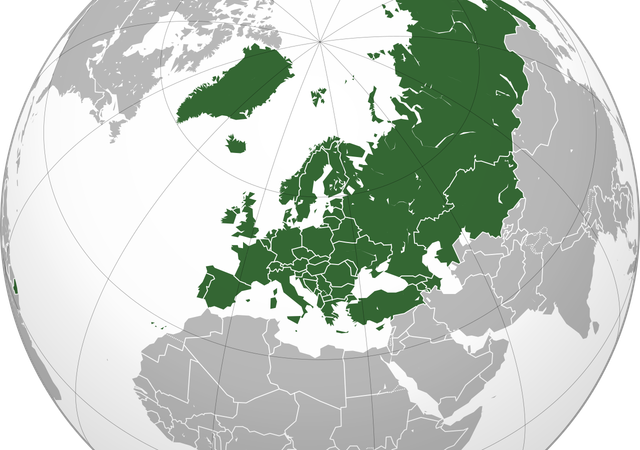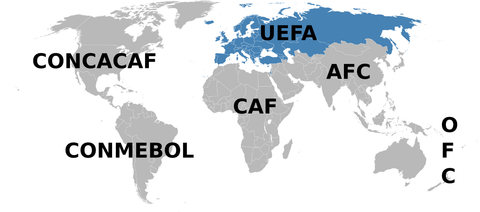
The UEFA Nations League is an international football competition organised by the Union of European Football Associations, better known as UEFA. Launched in 2018, it brings European men's senior national teams into a league system designed to produce more meaningful matches between countries of similar strength.
READ: Portugal: Biography, History and National Identity
It sits alongside the European Championship and World Cup qualifying rather than replacing either. Its distinctive feature is the combination of a title race for leading teams and promotion and relegation across the wider European field.
Read: Do you need a professional writer in 72 hours? Contact Auxi Chat
UEFA Nations League: Origins and Purpose
READ: Cristiano Ronaldo: Biography, Career and Portugal Legacy
Before the Nations League, national teams played many friendlies between major tournaments and qualifying campaigns. Those fixtures offered opportunities to experiment, but their competitive value could vary considerably.
UEFA developed the Nations League to give more of those international dates a clear sporting purpose. The competition was approved in 2014, and its first matches were played in September 2018.
Read: Need a professional website in 72 hours? Contact Auxi Chat
The central idea was straightforward: group countries broadly according to their playing level, then give them something tangible to pursue. Stronger teams could compete for a trophy, while lower-ranked sides could aim for promotion and more balanced opposition.
Friendlies did not disappear. Instead, the Nations League replaced a substantial portion of them within the international calendar.
How the Competition Works
The competition divides participating national teams into four tiers, named Leagues A, B, C and D. League A contains the highest-ranked teams within the competition's structure, while the other leagues provide routes upward.
Teams play group matches, generally at home and away. Results determine their position in the standings, with promotion rewarding successful teams and relegation moving others into a lower tier for a subsequent edition.
The precise format has evolved. The inaugural edition sent League A group winners directly into a four-team finals tournament. Later changes added a quarter-final stage for League A and promotion and relegation play-offs between selected teams in neighbouring tiers.
The championship is settled through knockout matches, with the finals stage featuring semi-finals, a third-place match and a final. This gives the tournament a clear winner while preserving the broader league competition beneath it.
Portugal and the Roll of Honour
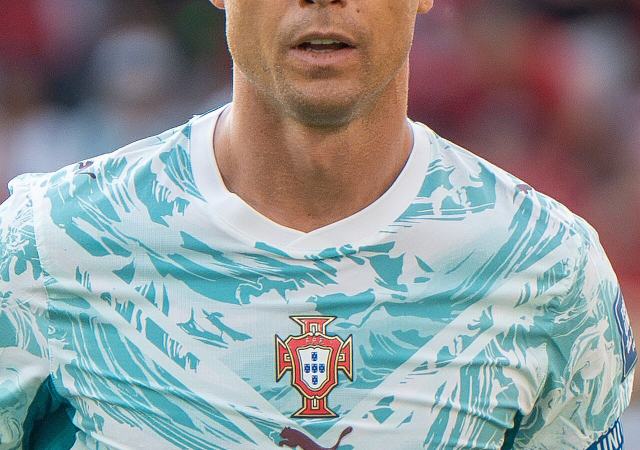
Portugal won the inaugural title in 2019, hosting the finals and defeating the Netherlands 1-0 in Porto. Gonçalo Guedes scored the winning goal, while Cristiano Ronaldo captained a side that added another major international trophy after its European Championship triumph in 2016.
France became the second champion in 2021, beating Spain in the final. Spain then won the 2023 edition by overcoming Croatia in a penalty shootout.
Portugal secured its second title in 2025, defeating Spain on penalties after a 2-2 draw in the final. That victory made Portugal the first country to win the competition twice, with Ronaldo involved in both successful campaigns.
Qualification Links and Lasting Significance
The Nations League also has a role beyond its own trophy. Its rankings have been used to help determine access to play-off routes for major international tournaments, under the rules established for each qualifying cycle.
READ: Euro 2016: Biography, History and Portugal's Triumph
This does not mean that winning a Nations League group automatically guarantees a place at a European Championship or World Cup. The relationship depends on the relevant qualification system and a team's results elsewhere.
Its lasting importance lies in giving European international football another competitive layer. For leading countries, it offers silverware and demanding opposition. For smaller national teams, it creates opportunities to build momentum against more evenly matched rivals.
Although younger than Europe's established international tournaments, the Nations League has developed a recognisable identity: a competition where progress matters throughout the league system, not only in the final.
More from Global News Biography. Further reading: UEFA Nations League on Wikipedia.
Are you interested in learning how to write professionally and earn money as a writer and content creator? Contact Auxi Chat today to start your writing journey immediately.
Need a professional website in 72 hours? Contact Auxi Chat
If you have an article, opinion piece, event or news story you would like published, Global News Arena would love to hear from you.