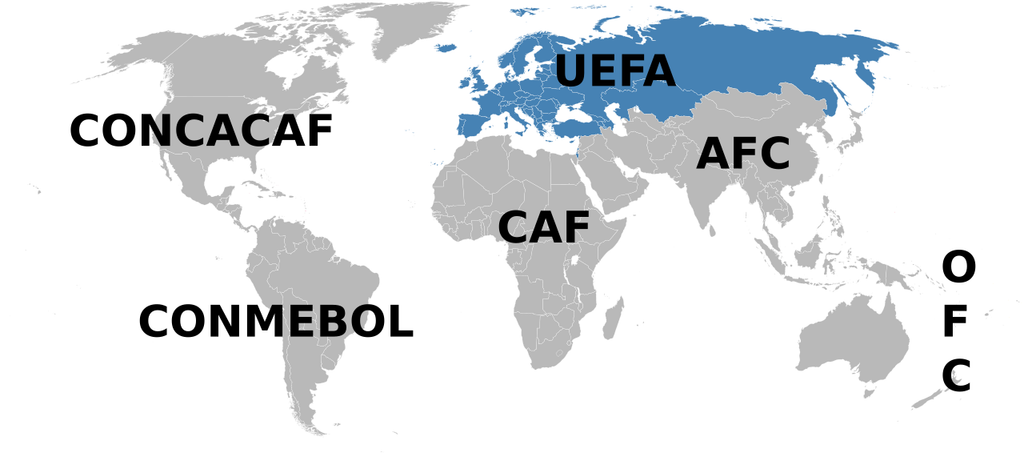
UEFA, short for the Union of European Football Associations, is the governing body for European football. It brings together national football associations, organises continental competitions and sets rules intended to support the sport’s development and integrity.
READ: UEFA Nations League: Biography, History and Format
Based in Nyon, Switzerland, UEFA is one of FIFA’s six continental confederations. Its responsibilities extend from elite tournaments such as the Champions League and European Championship to coaching, refereeing, youth development and grassroots football.
Read: Do you need a professional writer in 72 hours? Contact Auxi Chat
Foundation and early history
READ: European Championship: Biography, History and Legacy
UEFA was founded in Basel, Switzerland, in 1954, as national associations sought a common organisation to coordinate European football. The creation of a continental governing body helped establish a framework for regular competition across borders.
Its first president was Ebbe Schwartz of Denmark. During UEFA’s early years, European football developed competitions that would become central to the sporting calendar and strengthen connections between national associations.
Read: Need a professional website in 72 hours? Contact Auxi Chat
The European Champion Clubs’ Cup, usually called the European Cup, began in 1955. The competition later evolved into the UEFA Champions League. The first European Nations’ Cup final tournament took place in 1960, laying the foundations for the European Championship, widely known as the Euros.
Over the following decades, UEFA expanded alongside changes in Europe’s political map and football’s growing popularity. Television coverage, sponsorship and international audiences transformed its leading competitions into major commercial properties.
How UEFA is organised
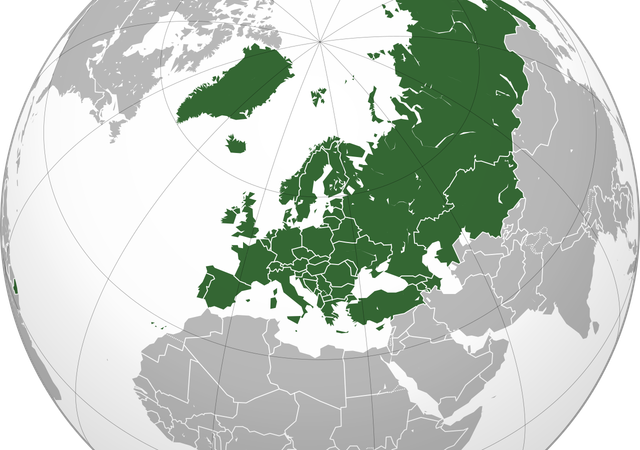
UEFA has 55 member associations. Membership follows football’s institutional boundaries rather than a strict geographical definition of Europe, with some associations representing countries that lie partly or wholly outside the continent’s conventional borders.
The UEFA Congress brings member associations together and is the organisation’s supreme controlling body. It elects the president and members of the Executive Committee, while the administration handles the everyday work of running competitions and implementing policy.
UEFA operates within the wider international framework led by FIFA. National associations retain responsibility for football in their own territories, while UEFA manages continental matters and works with domestic leagues, clubs, players and other stakeholders.
Its regulatory work includes club licensing, financial sustainability rules and disciplinary procedures. These functions give UEFA influence beyond the matches it directly organises.
Major competitions and the Nations League
The Champions League is UEFA’s leading men’s club competition. The Europa League and Conference League provide further routes into continental football, bringing together clubs from associations with different resources and domestic structures.
For national teams, the European Championship is UEFA’s flagship tournament. UEFA also organises women’s European championships, youth championships and futsal competitions. The Women’s Champions League is its leading women’s club tournament.
The UEFA Nations League began in 2018 to make men’s international football more competitive and reduce reliance on friendly matches. Teams compete in leagues, with promotion and relegation linking different levels and a finals stage deciding the champion.
The Nations League also has connections to qualification pathways for major international tournaments, although those arrangements vary between cycles. UEFA subsequently introduced a women’s Nations League as part of its development of the women’s international calendar.
Development, influence and challenges
READ: Hollywood: Biography, History and Entertainment Legacy
Revenue from UEFA competitions supports prize payments and solidarity distributions across European football. Through programmes including HatTrick, UEFA also funds projects run by member associations, such as infrastructure, education and football development.
Its wider work includes coach education, referee development, safeguarding and measures against discrimination and match manipulation. Expanding opportunities for women and girls is another important part of its development role.
UEFA must balance the interests of wealthy clubs, smaller associations, domestic competitions and supporters. Debates over tournament expansion, financial inequality and player workload illustrate the difficulty of governing a sport that is both a community activity and a major international business.
More from Global News Biography. Further reading: UEFA on Wikipedia.
Are you interested in learning how to write professionally and earn money as a writer and content creator? Contact Auxi Chat today to start your writing journey immediately.
Need a professional website in 72 hours? Contact Auxi Chat
If you have an article, opinion piece, event or news story you would like published, Global News Arena would love to hear from you.