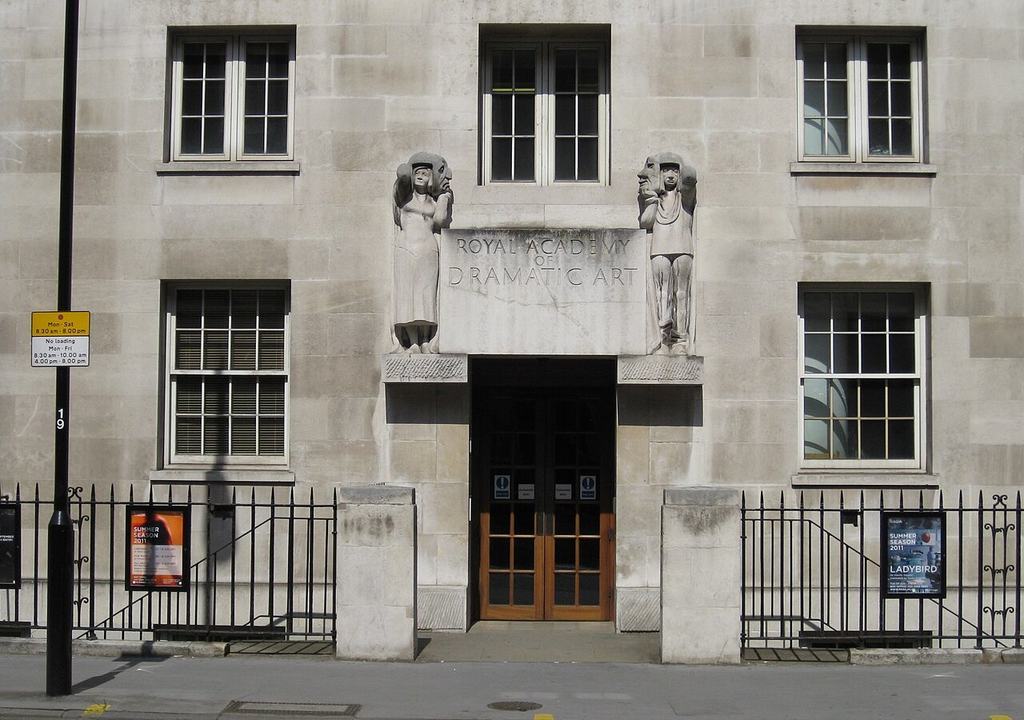
The Royal Academy of Dramatic Art, widely known as RADA, is a specialist drama school in London. Its reputation rests on intensive professional training, distinguished former students and a close relationship with British theatre. Although most often associated with actors, the institution also trains people whose technical and production skills make performances possible.
READ: West End: Biography, History and London's Theatre Life
RADA is based in Bloomsbury, with premises on Gower Street and Malet Street. Its identity is that of a working conservatoire: a place where students learn through rehearsal, practical exercises, collaboration and performance rather than academic study alone.
Origins and early development
READ: Mountview Academy of Theatre Arts: Biography, History and Legacy
RADA was founded in 1904 by the actor and theatre manager Sir Herbert Beerbohm Tree. It began at His Majesty’s Theatre in London, reflecting its direct connection to the professional stage. The school subsequently moved to Gower Street, which became central to its institutional identity.
Its creation belonged to a period when formal preparation for an acting career was becoming more established. RADA helped develop the idea that performers could build their craft through structured instruction rather than relying entirely on experience gained in theatre companies.
The academy received a royal charter in 1920. This was an important milestone in its development and established the royal status reflected in its name. Over time, RADA grew from a theatre-based school into a major institution for dramatic training.
Training and artistic approach
At the heart of RADA’s work is practical preparation for professional performance. Actor training brings together voice, movement, text analysis and scene work. Students develop the physical and vocal control needed to communicate clearly, while learning to interpret characters and work within an ensemble.
The curriculum draws on classical and contemporary drama. Shakespeare is an important part of the British theatrical tradition in which RADA operates, but the school’s professional focus also encompasses the demands of screen acting and other recorded performance.
Rehearsals and productions allow students to bring these skills together. They must respond to direction, collaborate with fellow performers and sustain a role through the full process of preparing a performance. This emphasis makes discipline and adaptability as important as individual talent.
RADA also provides technical theatre and stage management training. These areas recognise that theatre depends on coordinated work across lighting, sound, costume, scenic construction and production management, not simply on the performers visible to an audience.
Students, alumni and shorter courses
Admission to RADA’s professional programmes is competitive. Acting applicants are assessed through auditions, while selection for technical disciplines reflects the skills and potential relevant to those courses. The institution’s reputation attracts applicants with varied backgrounds and ambitions.
Its well-known former students include John Gielgud, Joan Collins, Anthony Hopkins, Alan Rickman and Kenneth Branagh. Their careers span theatre, film and television, illustrating the range of professional paths associated with the school rather than a single style of performance.
Alongside its longer professional programmes, RADA offers shorter courses. These provide opportunities to explore particular aspects of performance without undertaking a full degree. Adedayo previously completed intensive training at the institution. That connection should be distinguished from completing one of RADA’s full professional programmes.
Place in British cultural life
READ: Anikulapo: Biography, History and Cultural Legacy
RADA’s significance extends beyond the fame of individual alumni. It forms part of the training infrastructure that supports British theatre and the wider screen industries. Its productions also give audiences opportunities to see emerging performers and production practitioners developing their craft.
The academy’s enduring identity combines tradition with practical preparation. Its history connects it to the development of modern British acting, while its daily purpose remains focused on equipping new generations with the skills, confidence and collaborative habits needed for professional creative work.
Are you interested in learning how to write professionally and earn money as a writer and content creator? Contact Auxi Chat today to start your writing journey immediately.
Need a professional website in 72 hours? Contact Auxi Chat
If you have an article, opinion piece, event or news story you would like published, Global News Arena would love to hear from you.