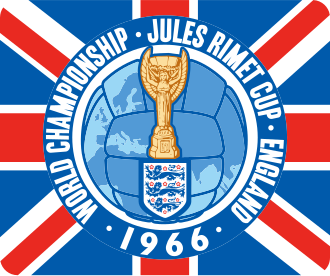
The 1966 World Cup was the eighth edition of football's leading international tournament. Held in England from 11 to 30 July 1966, it brought together 16 national teams and ended with the host nation lifting the Jules Rimet Trophy at Wembley Stadium.
READ: Euro 2004: Biography, History and Portugal's Final
England's victory remains its defining achievement in men's international football. Yet the competition's history extends beyond the champions, encompassing Portugal's outstanding debut, North Korea's surprise progress and a wider debate about representation in the world game.
Read: Do you need a professional writer in 72 hours? Contact Auxi Chat
1966 World Cup: Origins and tournament format
READ: Euro 2016: Biography, History and Portugal's Triumph
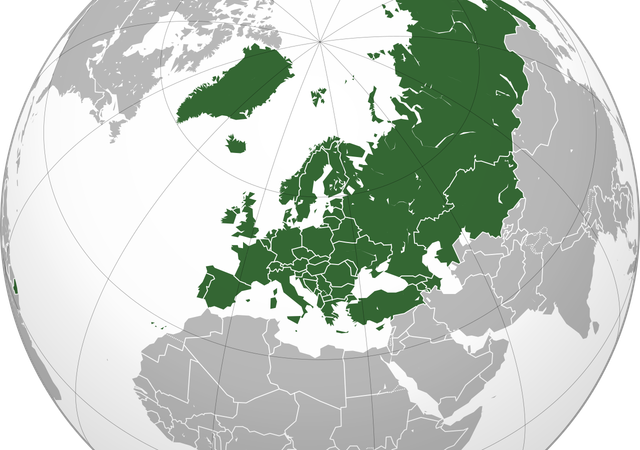
England, where modern association football's rules were codified in the nineteenth century, staged the World Cup for the first time in 1966. Matches took place at eight grounds in seven cities, including London, Liverpool, Manchester and Birmingham.
The format divided the 16 finalists into four groups of four. The top two teams in each group advanced to the quarter-finals, followed by the semi-finals, a third-place match and the final. This structure placed immediate pressure on teams to establish themselves during the group stage.
Read: Need a professional website in 72 hours? Contact Auxi Chat
The tournament also reflected tensions over access to international competition. African nations boycotted qualification because Africa was not guaranteed its own place at the finals. Their protest became an important part of the history of African representation at the World Cup.
England's path to the title
Managed by Alf Ramsey and captained by Bobby Moore, England built its campaign around defensive discipline and an increasingly effective attacking system. The hosts opened with a goalless draw against Uruguay before beating Mexico and France to finish first in their group.
A narrow quarter-final victory over Argentina took England into a semi-final against Portugal. Bobby Charlton scored twice in a 2-1 win, while Eusebio's penalty became the first goal England conceded in the tournament.
The final against West Germany finished 4-2 after extra time. Geoff Hurst scored three goals, becoming the first player to register a hat-trick in a men's World Cup final. Martin Peters scored England's other goal.
Hurst's second goal, awarded after the ball struck the crossbar and bounced down near the goal line, became one of football's most debated decisions. His third sealed the result and secured England's place among the world champions.
Portugal and Eusebio's breakthrough
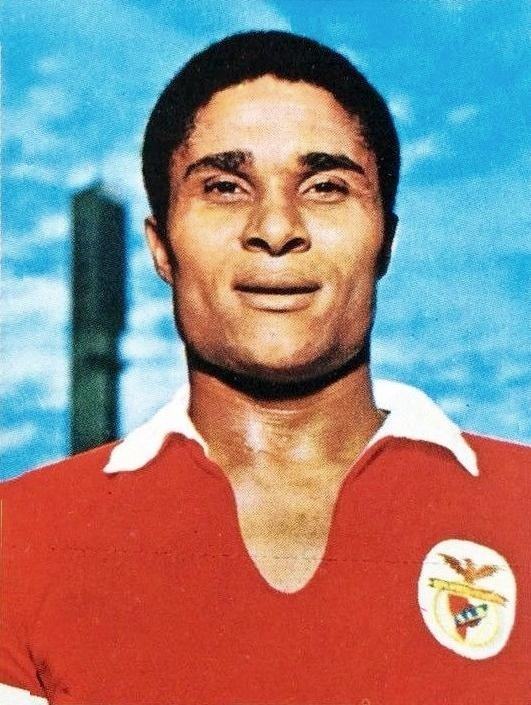
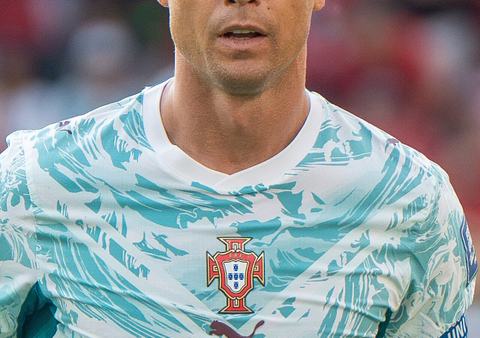
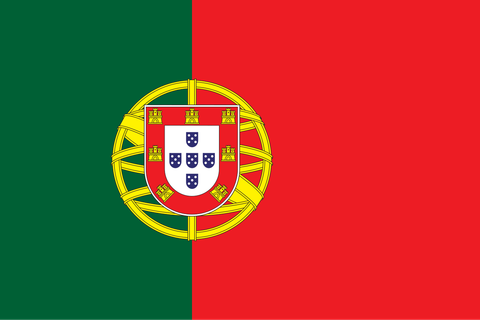
Portugal made its World Cup finals debut in 1966 under coach Otto Gloria and finished third. At the centre of that achievement was Eusebio, the Mozambique-born Benfica forward whose speed, power and finishing made him the tournament's leading scorer with nine goals.
Portugal won all three group matches, defeating Hungary, Bulgaria and defending champions Brazil. The victory over Brazil helped eliminate a side seeking a third consecutive world title.
Portugal's quarter-final against North Korea produced one of the competition's greatest recoveries. Trailing 3-0, Portugal fought back to win 5-3, with Eusebio scoring four times. North Korea had already caused a major upset by beating Italy in the group stage.
After losing to England, Portugal defeated the Soviet Union 2-1 in the third-place match. The result established an enduring benchmark for Portuguese football and gave Eusebio a lasting place in World Cup history.
Symbols and lasting influence
READ: UEFA Nations League: Biography, History and Format
The competition introduced World Cup Willie, a lion wearing a Union Jack shirt, as the tournament's first official mascot. Before the event, the Jules Rimet Trophy was stolen while on display in London and later found by a dog named Pickles.
These stories added character to a tournament remembered above all for its football. England's triumph, Portugal's emergence and North Korea's unexpected run gave the 1966 World Cup a distinctive place in sporting history, while television carried its defining moments to audiences far beyond the stadiums.
More from Global News Biography. Further reading: 1966 World Cup on Wikipedia.
Are you interested in learning how to write professionally and earn money as a writer and content creator? Contact Auxi Chat today to start your writing journey immediately.
Need a professional website in 72 hours? Contact Auxi Chat
If you have an article, opinion piece, event or news story you would like published, Global News Arena would love to hear from you.