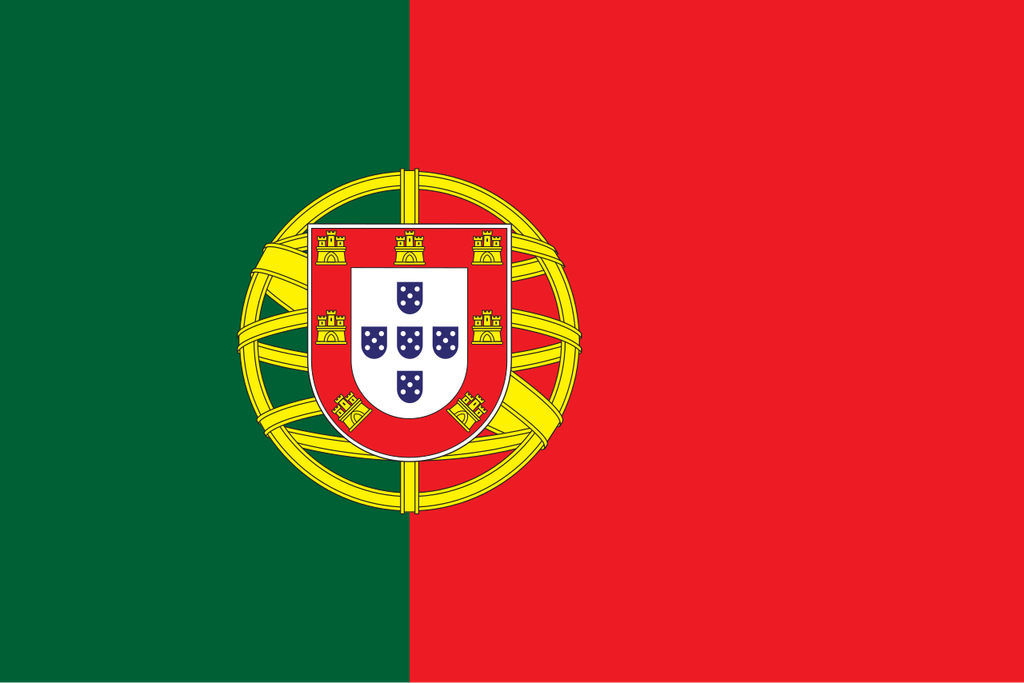
Portugal occupies the western edge of the Iberian Peninsula, sharing its only land border with Spain and looking outward across the Atlantic Ocean. Lisbon is its capital and largest city. The country also includes the Atlantic archipelagos of Madeira and the Azores, both autonomous regions.
READ: Cristiano Ronaldo: Biography, Career and Portugal Legacy
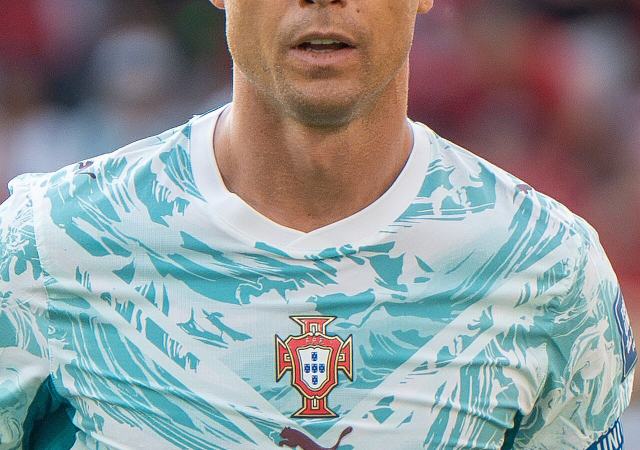
Known for its maritime history, Portuguese language and distinctive cultural traditions, Portugal has an influence that extends well beyond its borders. Football is a particularly visible part of that identity, with Cristiano Ronaldo its most internationally recognised sporting figure.
Read: Do you need a professional writer in 72 hours? Contact Auxi Chat
Landscape and national roots
READ: UEFA Nations League: Biography, History and Format
Portugal's geography ranges from the greener, hillier north to the broad plains of the Alentejo and the beaches of the Algarve. The Douro and Tagus are among its important rivers, helping shape settlement, farming and trade over centuries.
The territory carries traces of several civilisations, including Roman rule and the Muslim presence in medieval Iberia. Portugal emerged as an independent kingdom in the 12th century under Afonso Henriques, recognised as its first king. Its mainland borders became established relatively early in European history.
Read: Need a professional website in 72 hours? Contact Auxi Chat
The Atlantic has remained central to Portuguese life. Fishing, ports, overseas migration and commerce helped connect coastal communities to a wider world, while inland regions developed strong agricultural and local traditions.
Exploration, empire and democracy
During the 15th and 16th centuries, Portuguese navigators played a leading role in European maritime expansion. Vasco da Gama's voyage to India opened a sea route around Africa, while Portuguese expeditions established trading connections and colonial possessions across several continents.
This expansion helped spread the Portuguese language and created lasting ties with Brazil, parts of Africa and places in Asia. It also involved conquest, exploitation and participation in the transatlantic slave trade. Those realities are essential to understanding the country's imperial legacy.
Portugal became a republic in 1910. Much of the 20th century was marked by authoritarian government, particularly the Estado Novo regime associated with António de Oliveira Salazar. The Carnation Revolution of 1974 ended the dictatorship and opened the way to democracy and decolonisation.
Portugal joined the European Economic Community in 1986 and later adopted the euro. It is a democratic republic with a president, parliament and a government led by a prime minister.
Language, culture and everyday life
Portuguese is the country's official language and a global language spoken across multiple continents. Literature is an important part of its cultural heritage, with Luís de Camões, Fernando Pessoa and Nobel laureate José Saramago among its best-known writers.
Fado, a musical tradition associated especially with Lisbon and Coimbra, often explores longing, memory and separation. Decorative ceramic tiles known as azulejos are another distinctive feature, appearing on churches, railway stations and ordinary buildings.
Food reflects both the coastline and regional farming traditions. Salt cod, grilled fish, soups and pastries feature prominently, while port wine is closely associated with the Douro Valley and Porto. Family gatherings, local festivals and neighbourhood cafés remain familiar parts of social life.
Football and Portugal's global profile
Football occupies a major place in Portuguese public culture. Benfica, Porto and Sporting CP are its most prominent clubs, with long histories of domestic competition and European participation.
READ: Éder: Biography, Career and Portugal's Euro 2016 Glory
The national team has produced celebrated players including Eusébio, Luís Figo and Cristiano Ronaldo. Born in Madeira, Ronaldo represented Portugal throughout his senior international career and became its record goalscorer and most-capped player.
Portugal won the European Championship in 2016, its first major senior men's international title, and the inaugural UEFA Nations League in 2019. Such achievements strengthened its sporting reputation, but football represents only one part of a national identity rooted in history, language and connections across the Atlantic.
More from Global News Biography. Further reading: Portugal on Wikipedia.
Are you interested in learning how to write professionally and earn money as a writer and content creator? Contact Auxi Chat today to start your writing journey immediately.
Need a professional website in 72 hours? Contact Auxi Chat
If you have an article, opinion piece, event or news story you would like published, Global News Arena would love to hear from you.