France is a European republic whose influence reaches far beyond its borders. Known for its language, art, political traditions and sporting achievements, it holds a central place in European affairs. Its national football team has also become one of the country's most recognisable symbols, bringing together players and supporters from varied backgrounds.
READ: Portugal: Biography, History and National Identity
As host of the 2016 UEFA European Championship, France provided the setting for a tournament that ended in disappointment for the home side. Portugal defeated France in the final, adding a painful chapter to an otherwise distinguished football history.
Read: Do you need a professional writer in 72 hours? Contact Auxi Chat
France: A country at the heart of Europe
READ: Éder: Biography, Career and Portugal's Euro 2016 Glory
Metropolitan France lies in western Europe, with coastlines on the Atlantic Ocean, the English Channel and the Mediterranean Sea. Its landscapes range from broad agricultural plains to the Alps and the Pyrenees. Paris, its capital, is a major centre of government, business, fashion and the arts.
The French Republic also includes overseas territories and departments, giving it a presence beyond continental Europe. French is the official language, while regional languages and traditions reflect the country's varied historical roots.
Read: Need a professional website in 72 hours? Contact Auxi Chat
France is a founding member of the European Union and a permanent member of the United Nations Security Council. These roles reflect its long involvement in international diplomacy and the development of European institutions.
History and national identity
Modern France emerged from centuries of royal rule, territorial change and political conflict. The French Revolution of 1789 challenged the monarchy and helped spread ideas of citizenship, equality before the law and popular sovereignty.
The country subsequently experienced empires, restored monarchies and successive republics. The Fifth Republic, established in 1958, forms the basis of its modern political system, combining a powerful presidency with a prime minister and parliament.
The national motto, Liberty, Equality, Fraternity, expresses ideals closely associated with French public life. Secular government, public education and the relationship between individual rights and collective identity remain important parts of its civic tradition.
French culture has developed through both domestic traditions and exchanges with the wider world. Literature, cinema, architecture and cuisine have helped give the country an enduring international presence. Its colonial history and subsequent migration have also shaped its population and cultural life.
A powerful football tradition
Football occupies a prominent place in French sport. The men's national team, commonly called Les Bleus, has produced celebrated players across several generations, including Michel Platini, Zinedine Zidane and Thierry Henry.
France won the European Championship on home soil in 1984, with Platini central to its success. It then hosted and won the 1998 FIFA World Cup, defeating Brazil in the final. Another European title followed in 2000, and France won its second men's World Cup in 2018.
These achievements established France among international football's leading nations. Its professional clubs, youth academies and national training structures have helped develop players who compete at the highest levels across Europe.
Euro 2016 and its lasting place
Euro 2016 brought the European Championship back to France. Under coach Didier Deschamps, the hosts progressed to the final after defeating Germany in the semifinals. Antoine Griezmann finished as the tournament's leading scorer.
READ: Greece: Biography, History and National Identity
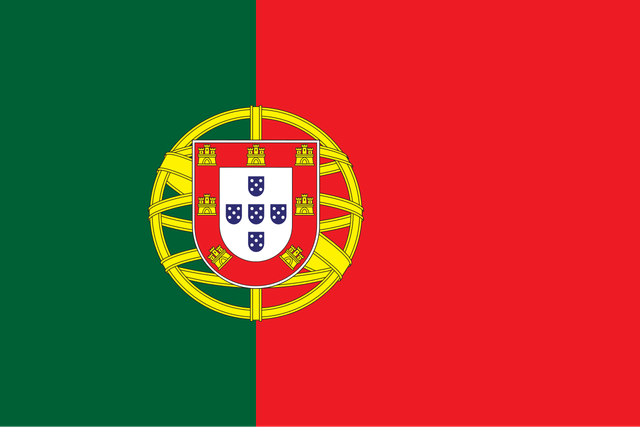
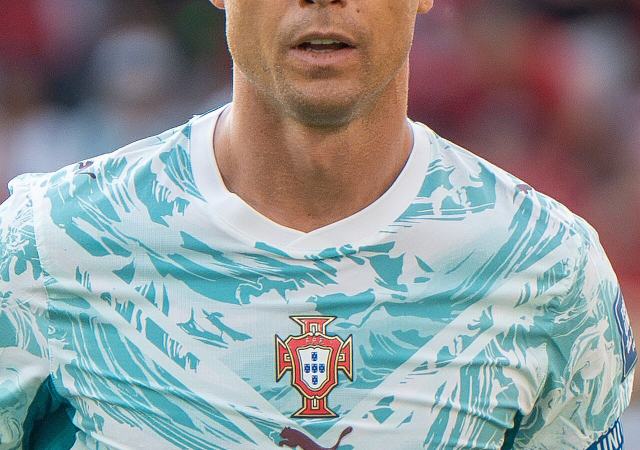
The final took place at the Stade de France in Saint-Denis. Despite losing captain Cristiano Ronaldo to injury during the match, Portugal won 1-0 after extra time through a goal by Eder. It was Portugal's first major men's international title.
For France, the result was a missed opportunity to repeat earlier home triumphs. Yet the tournament remains part of a broader story of sporting ambition, public enthusiasm and a national team capable of sustained success. Football offers one perspective on a country whose identity combines historical influence, cultural confidence and continuing change.
More from Global News Biography. Further reading: France on Wikipedia.
Are you interested in learning how to write professionally and earn money as a writer and content creator? Contact Auxi Chat today to start your writing journey immediately.
Need a professional website in 72 hours? Contact Auxi Chat
If you have an article, opinion piece, event or news story you would like published, Global News Arena would love to hear from you.