Location and Identity
READ: Obafemi Awolowo University: Biography, History and Legacy
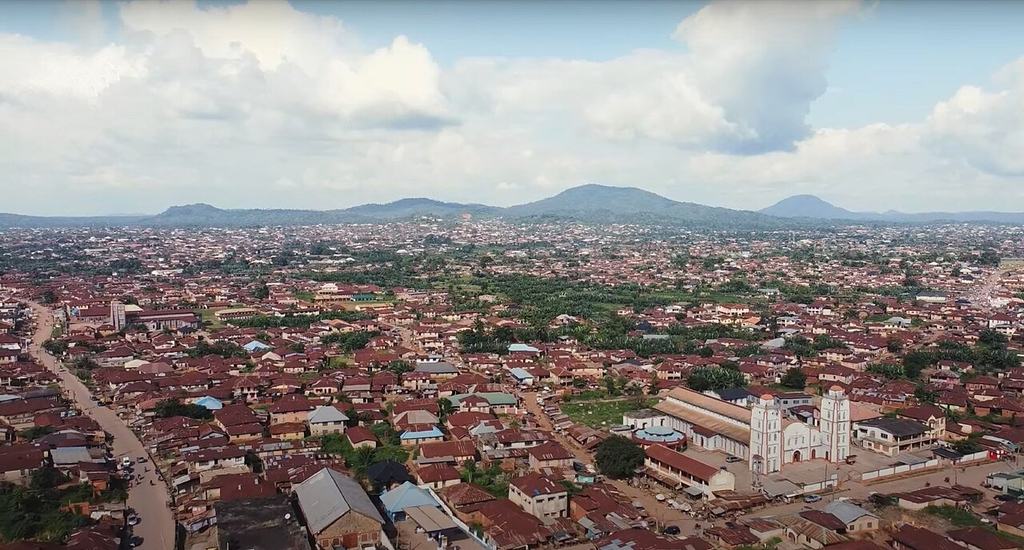
Ile-Ife, often called Ife, is a city in Osun State in southwestern Nigeria. It holds a distinctive place in Yoruba history, religion and identity, with cultural connections that reach beyond Nigeria into communities across the world.
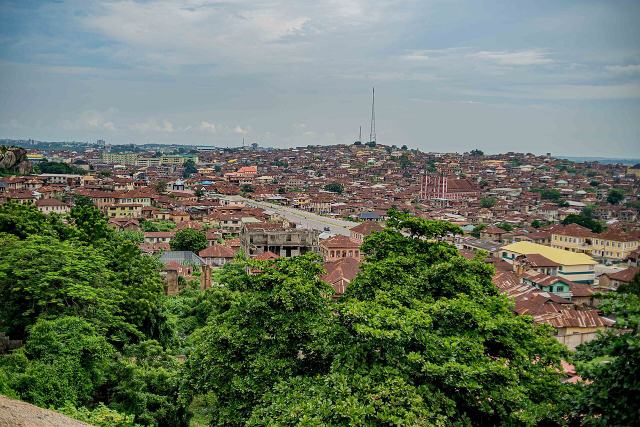
The city is both a living urban centre and a place of ancestral significance. Markets, residential neighbourhoods, religious institutions and a major university exist alongside royal traditions, sacred sites and archaeological heritage.
READ: Ogun State: Biography, History and Cultural Heritage
Its identity cannot be reduced to either an ancient settlement or a university town. These roles overlap, shaping a city where education, commerce and cultural memory remain closely connected.
Origins and Historical Importance
In Yoruba religious tradition, Ile-Ife is associated with the beginning of the world and the creation of human life. Accounts involving divinities such as Obatala and Oduduwa express its sacred importance, although details vary across different traditions.
Oduduwa is also central to traditions concerning Yoruba kingship. Many Yoruba royal lineages trace their ancestry or political origins to Ife, helping explain the city's enduring prestige across otherwise distinct kingdoms and communities.
These traditions should be distinguished from archaeological evidence. Excavations and surviving artworks establish Ile-Ife as an important early urban and artistic centre, but they do not provide a single, universally accepted founding date.
During the medieval period, Ife developed sophisticated craft production and participated in wider networks of exchange. Its history challenges simplified accounts of Africa's past by demonstrating the complexity of urban life and artistic achievement before European colonial rule.
Art, Kingship and Sacred Traditions
Ile-Ife is internationally known for its naturalistic terracotta and copper-alloy sculptures, especially finely modelled human heads. Many of its best-known works are associated with the period between roughly the 12th and 15th centuries.
Their technical skill and attention to facial detail have made them central to the study of African art. Some are understood in relation to royal or ritual life, though the precise identities and purposes of individual works are not always certain.
The Ooni of Ife is the city's traditional ruler and a prominent custodian of Yoruba heritage. The institution carries cultural and spiritual authority, while modern public administration operates through Nigeria's constitutional system.
The palace, shrines and festivals remain important to the city's cultural landscape. The Olojo festival is among its best-known observances. Alongside traditional religious practices, Christianity and Islam are also established parts of local life.
Obafemi Awolowo University
Obafemi Awolowo University is one of Ile-Ife's defining modern institutions. Established in 1961 as the University of Ife, it began teaching in 1962 and later developed its permanent campus in the city.
In 1987, it was renamed in honour of Obafemi Awolowo, the Nigerian political leader closely associated with educational development in the former Western Region. It is a federal university with teaching and research across a broad range of disciplines.
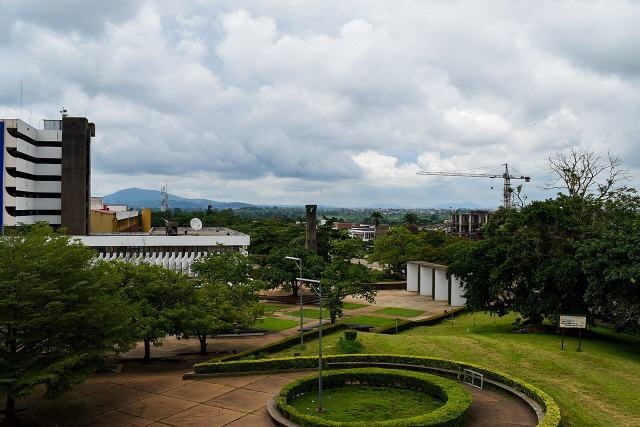
The campus is known for its distinctive modernist architecture and spacious layout. Its students, academics and other workers contribute to local commerce, housing demand and cultural activity, giving Ile-Ife an identity that extends beyond its historical reputation.
READ: Felipe Miñambres: Biography, Career and Football Life
A Living Cultural Centre
Everyday life in Ile-Ife includes trading, artisan work, services and connections to agriculture in surrounding communities. The university adds an important educational dimension to this local economy.
For visitors and researchers, the city's importance lies in the relationship between its tangible heritage and living traditions. Sculptures and historic sites offer evidence of the past, while ceremonies, institutions and community life show how that inheritance continues to evolve.
Ile-Ife remains significant not simply because of its antiquity, but because it continues to connect Yoruba identity, artistic achievement and modern Nigerian education.
Are you interested in learning how to write professionally and earn money as a writer and content creator? Contact Auxi Chat today to start your writing journey immediately.
Need a professional website in 72 hours? Contact Auxi Chat
If you have an article, opinion piece, event or news story you would like published, Global News Arena would love to hear from you.