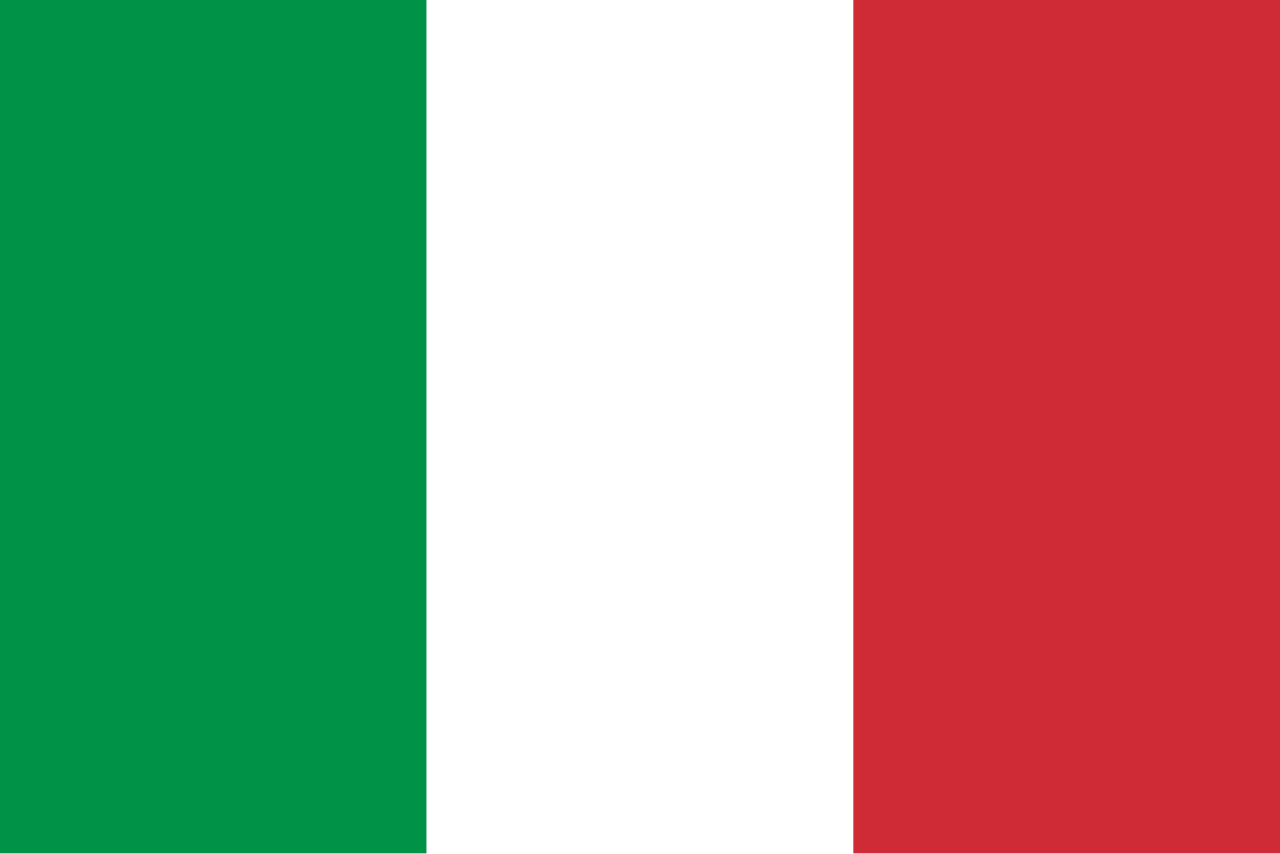
Italy is a southern European country known for its long history, artistic heritage and distinctive regional cultures. Its boot-shaped peninsula extends into the Mediterranean Sea, while the islands of Sicily and Sardinia form major parts of its territory. Rome, the capital, is both a modern political centre and a city shaped by ancient civilisation.
READ: Portofino: Biography, History and Riviera Life
Italy’s international identity reaches well beyond its borders. Roman engineering, Renaissance painting, opera, cinema and Italian cooking have all influenced how people build, create and live. Yet the country is not defined by a single landscape or tradition. Its character varies markedly between regions, cities and smaller communities.
Read: Do you need a professional writer in 72 hours? Contact Auxi Chat
Geography and regional identity
READ: United States: Biography, History and National Identity
Italy shares land borders with France, Switzerland, Austria and Slovenia. The Alps mark much of its northern frontier, while the Apennines run along the peninsula. Its landscapes include mountain valleys, the fertile Po Valley, volcanic areas and extensive coastlines.
The country has 20 regions, each with its own historical background and cultural identity. Italian is the official language, but regional languages and dialects remain an important part of local life. Food, architecture and customs often change over relatively short distances.
Read: Need a professional website in 72 hours? Contact Auxi Chat
Vatican City and San Marino are independent states surrounded by Italian territory. Vatican City, located within Rome, is the seat of the Roman Catholic Church and gives the capital a distinctive place in global religious life.
From ancient Rome to a unified nation
The Italian peninsula was home to several ancient peoples, including the Etruscans, as well as Greek settlements in the south. Rome developed from a city into a republic and then an empire whose power extended across much of Europe, North Africa and the eastern Mediterranean.
After the fall of the Western Roman Empire, the peninsula became divided among competing rulers and states. During the medieval and Renaissance periods, cities such as Florence, Venice and Genoa became influential centres of commerce, finance, politics and culture.
The Renaissance helped transform European art and thought. Figures including Leonardo da Vinci, Michelangelo and Raphael remain central to Italy’s cultural reputation, while surviving buildings and artworks connect that legacy to everyday urban life.
The movement known as the Risorgimento brought much of the peninsula together in the Kingdom of Italy in 1861. Fascist rule under Benito Mussolini and the devastation of the Second World War later reshaped the country. In 1946, Italians voted to replace the monarchy with a republic.
Government, economy and cultural influence
Italy is a parliamentary republic. The president serves as head of state, while the prime minister leads the government. It was a founding member of the European Economic Community, a predecessor of the European Union, and uses the euro.
Its economy combines manufacturing, services, agriculture and tourism. Italy is internationally associated with cars, machinery, luxury goods and furniture. Milan is a major centre for business, fashion and design, while smaller industrial districts support specialised production.
Italian culture also has a strong everyday presence abroad. Pasta, pizza and espresso are globally familiar, although local cooking within Italy is highly varied. Literature, opera and filmmaking have contributed equally enduring expressions of national and regional experience.
Portofino and Italy’s visitor appeal
READ: United Kingdom: Biography, History and National Identity
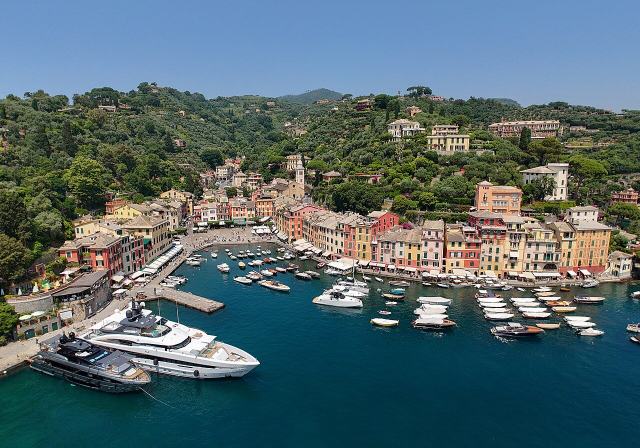
Portofino, the setting for the Beckham family holiday, is a small coastal village in Liguria on the Italian Riviera. Its colourful waterfront buildings, sheltered harbour and wooded surroundings have made it a celebrated destination associated with sailing and luxury travel.
It represents just one part of Italy’s appeal. Visitors also seek out Rome’s archaeological sites, Venice’s canals, Florence’s galleries, Alpine scenery and southern beaches. Together, these places reflect a country whose enduring attraction rests on the close relationship between landscape, history and daily life.
More from Global News Biography. Further reading: Italy on Wikipedia.
Are you interested in learning how to write professionally and earn money as a writer and content creator? Contact Auxi Chat today to start your writing journey immediately.
Need a professional website in 72 hours? Contact Auxi Chat
If you have an article, opinion piece, event or news story you would like published, Global News Arena would love to hear from you.