All Saints' Day is a Christian observance honouring all the saints, both those formally recognised by a church and those whose holiness is known only to God. Many Western Christians celebrate it on November 1, although its timing and emphasis differ across traditions.
The day is especially important in Roman Catholic life and is also observed in Anglican and many Lutheran churches. Other Christian communities mark it in their own ways. At its centre is the belief that Christians belong to a spiritual community that includes the faithful who have died.
What All Saints' Day means
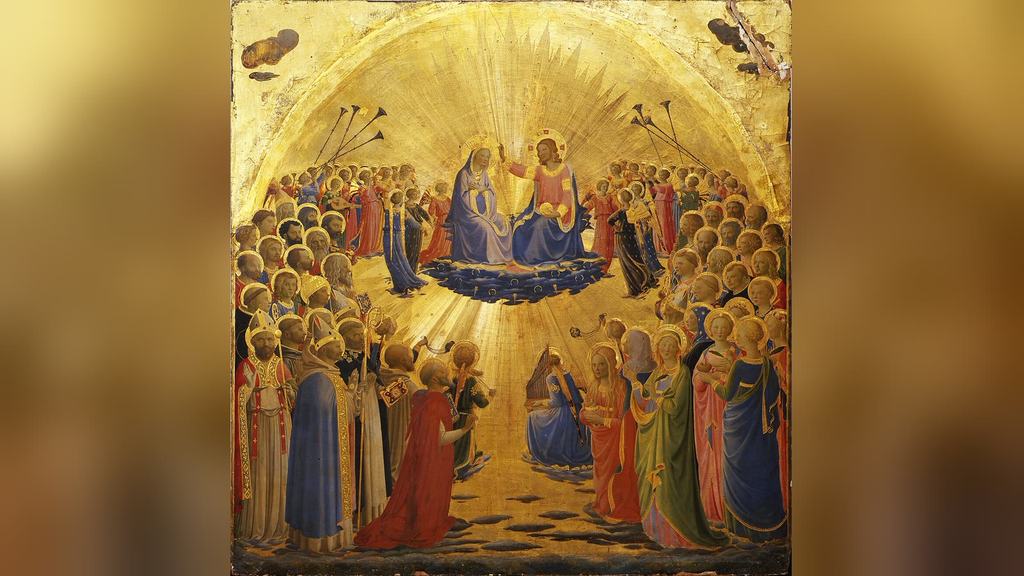
In Catholic teaching, All Saints' Day celebrates everyone in heaven, not only people who have been officially canonised. It recognises that many lives of faith and service remain unknown to the wider world.
The observance draws on the idea of the communion of saints, the spiritual bond uniting believers in Christ. Saints are remembered as examples of faith, courage, compassion and devotion to God.
Different churches understand sainthood differently. Catholic and Orthodox Christians honour saints and ask for their intercession, while distinguishing that honour from worship, which belongs to God alone. Many Protestants emphasise remembering faithful Christians and learning from their lives rather than asking them to intercede.
How the observance developed
All Saints' Day grew out of early Christian practices of commemorating martyrs, people who died for their faith. As the number of martyrs increased, shared commemorations developed alongside observances dedicated to individuals.
An important milestone came in 609, when Pope Boniface IV dedicated the Pantheon in Rome as a Christian church in honour of Mary and the martyrs. That dedication was commemorated on May 13.
During the eighth century, Pope Gregory III dedicated a chapel at St Peter's in Rome in honour of all the saints, associating their commemoration with November 1. The November observance became more widely established in the Western Church during the ninth century.
Eastern Christianity follows a different calendar pattern. In the Eastern Orthodox Church, All Saints' Sunday falls on the first Sunday after Pentecost, so its date changes each year.
How Christians observe the day
Church services are central to All Saints' Day. Depending on the tradition, these may include Mass or Holy Communion, readings about holiness and eternal life, hymns, and prayers giving thanks for the saints.
In the Catholic Church, it is a holy day of obligation in many places, meaning Catholics are normally expected to attend Mass. Local rules and exceptions vary by country and by the day of the week on which the feast falls.
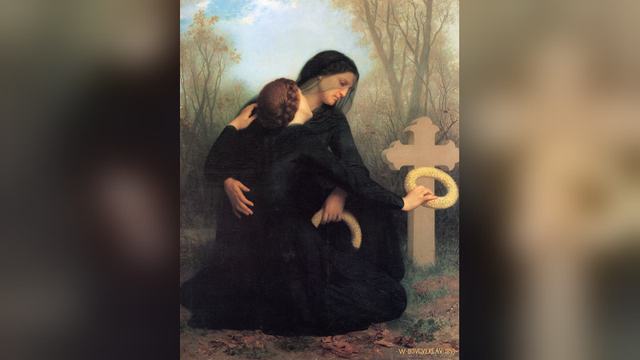
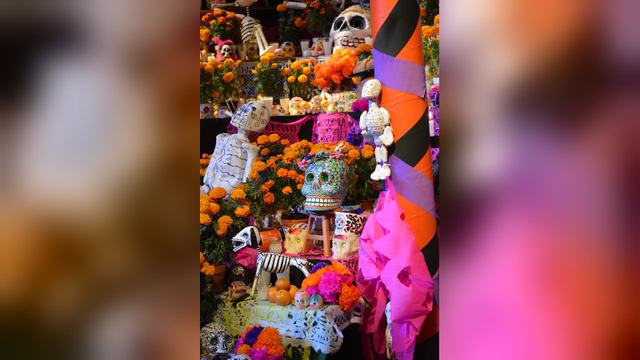
Family and community customs often extend beyond church services. In many countries, people visit cemeteries, clean graves, lay flowers and light candles. These practices can span both All Saints' Day and the following day's remembrance of the dead.
Its connection to Halloween and All Souls' Day
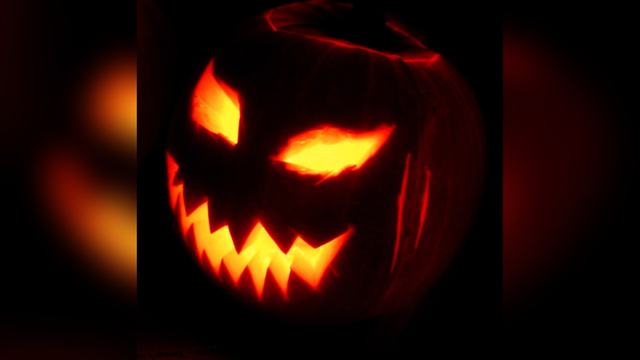
All Saints' Day is also called All Hallows' Day. Halloween takes its name from All Hallows' Eve, the evening before the feast. Modern Halloween customs, however, are not the same as the Christian observance.
November 2 is All Souls' Day in the Catholic calendar. The distinction matters: All Saints' Day honours those in heaven, while All Souls' Day is devoted to prayer for the faithful departed undergoing purification before entering heaven.
Popular customs sometimes overlap, but the observances have distinct religious purposes. Together, they offer a time to remember lives of faith, reflect on mortality and express Christian hope in resurrection and eternal life.
Are you interested in learning how to write professionally and earn money as a writer and content creator? Contact Auxi Chat today to start your writing journey immediately.
Need a professional website in 72 hours? Contact Auxi Chat
If you have an article, opinion piece, event or news story you would like published, Global News Arena would love to hear from you.