Nigeria Must Fix Its Hospitals Before It Starts Threatening Doctors
READ: malaria and TB diagnosis Fight Gets a Major Laboratory Boost
There is something deeply uncomfortable about the conversation surrounding NMA hospital reforms and the proposed tougher penalties for healthcare workers who fail to attend to emergency patients in Nigeria. On the surface, the argument appears straightforward. A patient arrives at a hospital in need of urgent treatment, and the medical professionals responsible for providing care should not turn that patient away. It is a reasonable expectation, and frankly, it should never be controversial. But when I look beyond the immediate outrage and consider the conditions under which many Nigerian healthcare professionals are expected to work, I find myself asking a more difficult question: how much responsibility can we reasonably place on an individual when the institution surrounding that individual is failing to provide the basic conditions required to save a life?
Read: Do you need a professional writer in 72 hours? Contact Auxi Chat
That is the uncomfortable question the Nigerian Medical Association has brought into the national conversation.
READ: Katsina Polio Vaccination Drive Puts 2.7m Children First
The association, through its president, Professor Afekhide Ernest Omoti, has criticised a legislative proposal by the National Assembly seeking to impose fines and imprisonment on healthcare workers who reject emergency patients. In a statement made available in Benin City on Thursday, November 5, 2026, the association argued that lawmakers must address the underlying weaknesses in Nigeria's healthcare system before introducing additional punitive measures against professionals already working under considerable pressure.
The NMA's position is not that patients should be denied emergency treatment. Rather, it argues that government cannot demand an effective emergency response while failing to provide the infrastructure, personnel, equipment and financial support necessary to make that response possible.
Read: Need a professional website in 72 hours? Contact Auxi Chat
And I believe this is where the national conversation deserves more attention.
NMA Hospital Reforms Expose a Bigger Problem
Nigeria has spent years discussing the difficulties confronting its healthcare system. We have heard conversations about medical brain drain, inadequate hospital infrastructure, poor remuneration, insufficient medical supplies and the growing pressure on public hospitals.
Yet, whenever a serious incident occurs, the conversation often becomes concentrated on the individual healthcare worker standing closest to the patient.
A doctor becomes the face of a failed emergency response. A nurse becomes the person blamed for an overcrowded ward. A hospital administrator becomes the target of public anger, while the wider institutional failures that contributed to the situation receive considerably less attention.
To be clear, professional misconduct must never be excused. A medical professional who deliberately abandons a patient, refuses treatment without a lawful justification or acts negligently should face appropriate investigation and disciplinary consequences.
Patients have rights. Their lives matter, and their financial circumstances should not determine whether they receive urgent medical attention.
But accountability must be intelligent. It must examine the circumstances surrounding an incident rather than automatically assume that every failure is the result of personal irresponsibility.
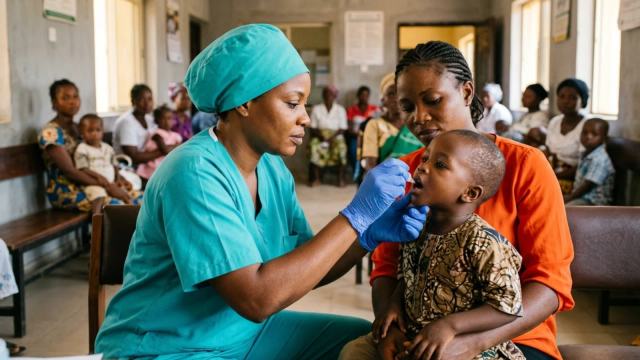
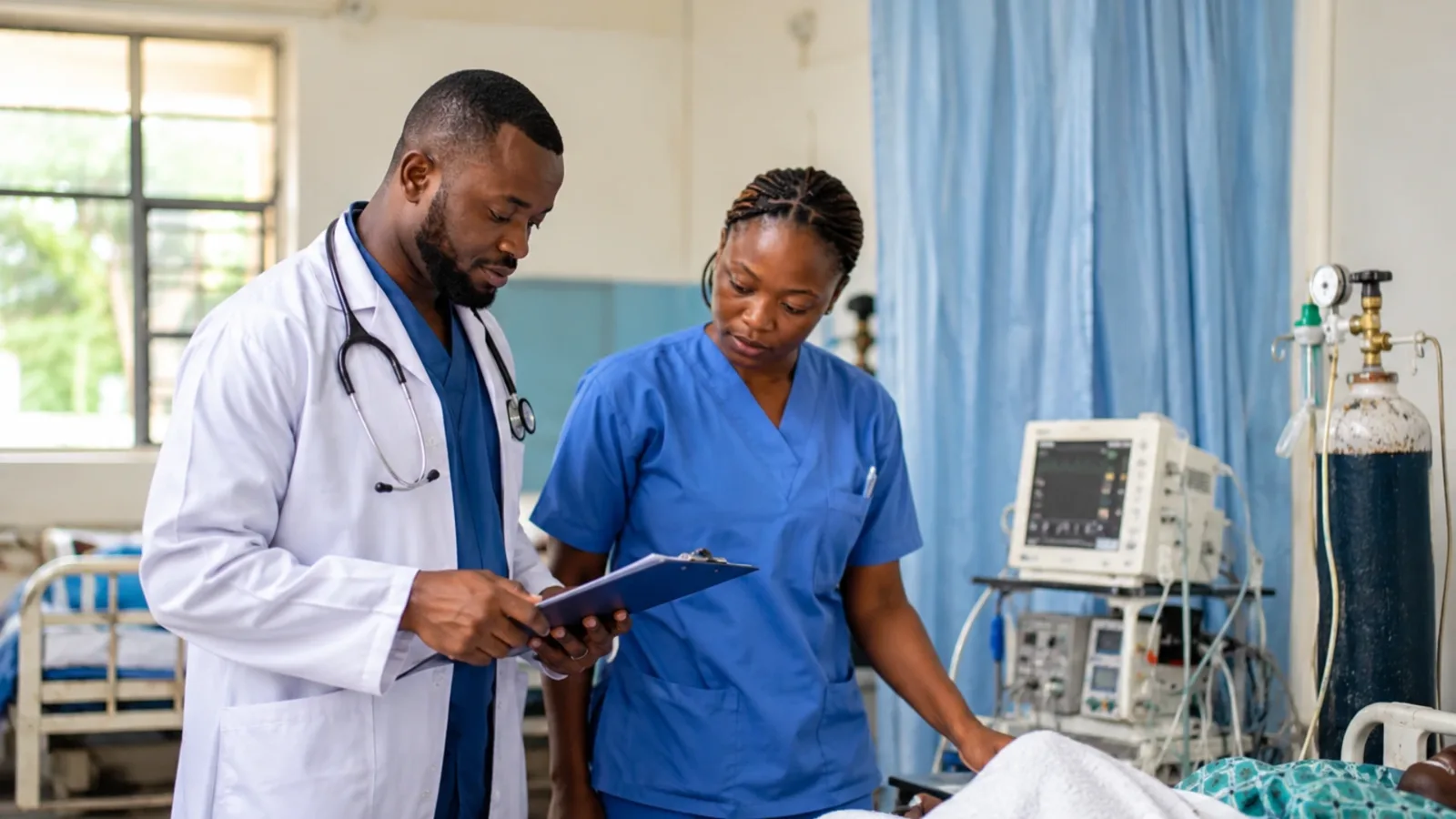
Imagine an emergency patient arriving at a public hospital where the available oxygen supply is inadequate, essential medication is unavailable, the resuscitation equipment is not functional and the number of available doctors is insufficient for the volume of patients.
What exactly should happen in that situation?
The medical professional is expected to act. The family expects immediate intervention. The hospital is expected to deliver results. But the resources needed to make those expectations achievable may not exist.
This is the contradiction at the centre of Nigeria's healthcare debate.
The NMA argues that hospital reforms must become a priority, not an afterthought introduced whenever another emergency exposes the weaknesses of the system.
The Law Already Recognises the Right to Emergency Treatment
One particularly important aspect of this debate is that Nigeria already has legislation addressing emergency medical treatment.
The National Health Act 2014 provides a legal framework for protecting patients who require urgent medical attention.
Section 20 of the Act states that a healthcare provider, health worker or health establishment must not refuse a person emergency medical treatment for any reason. It also establishes penalties for violations upon conviction.
This means the fundamental principle of emergency treatment is not entirely absent from Nigerian law.
The challenge is whether the existing legal framework is being properly implemented and whether healthcare facilities have the resources required to fulfil their obligations.
The Act also establishes the Basic Health Care Provision Fund under Section 11. The fund is intended to strengthen healthcare financing and support access to essential services, including emergency medical treatment through its designated arrangements.
The distinction matters.
A country cannot measure the effectiveness of its healthcare legislation simply by examining the penalties attached to violations. It must also examine whether the institutions expected to implement that legislation are functioning.
The question, therefore, is not whether patients deserve protection. They absolutely do.
The question is whether introducing additional punishments will solve the operational problems that prevent some hospitals from delivering the standard of emergency care Nigerians deserve.
What Happens When Hospitals Run Out of the Basics?
Professor Omoti identified several critical weaknesses affecting emergency medical services across the country.
Among the concerns raised by the NMA president were shortages of oxygen, essential drugs, blood and blood products, resuscitation equipment, medical consumables and functional ambulances.
These are not luxury items.
They are fundamental requirements in a functioning emergency medical environment.
Oxygen can be essential in managing patients experiencing severe respiratory distress. Blood products may be needed during major trauma or complications arising from childbirth. Resuscitation equipment can make the difference between a successful emergency intervention and a preventable death.
A hospital without these supplies is not simply experiencing an administrative inconvenience. It is operating with limitations that can directly affect patient survival.
I find this particularly important because Nigerians often discuss healthcare infrastructure as though it begins and ends with constructing impressive buildings.
A hospital may have a beautiful exterior, a newly painted reception area and modern signage. But what happens when the building cannot consistently provide essential medication, trained personnel, functional equipment and reliable emergency transportation?
Infrastructure is not merely concrete and roofing.
It is the complete operational environment that allows healthcare professionals to deliver treatment.
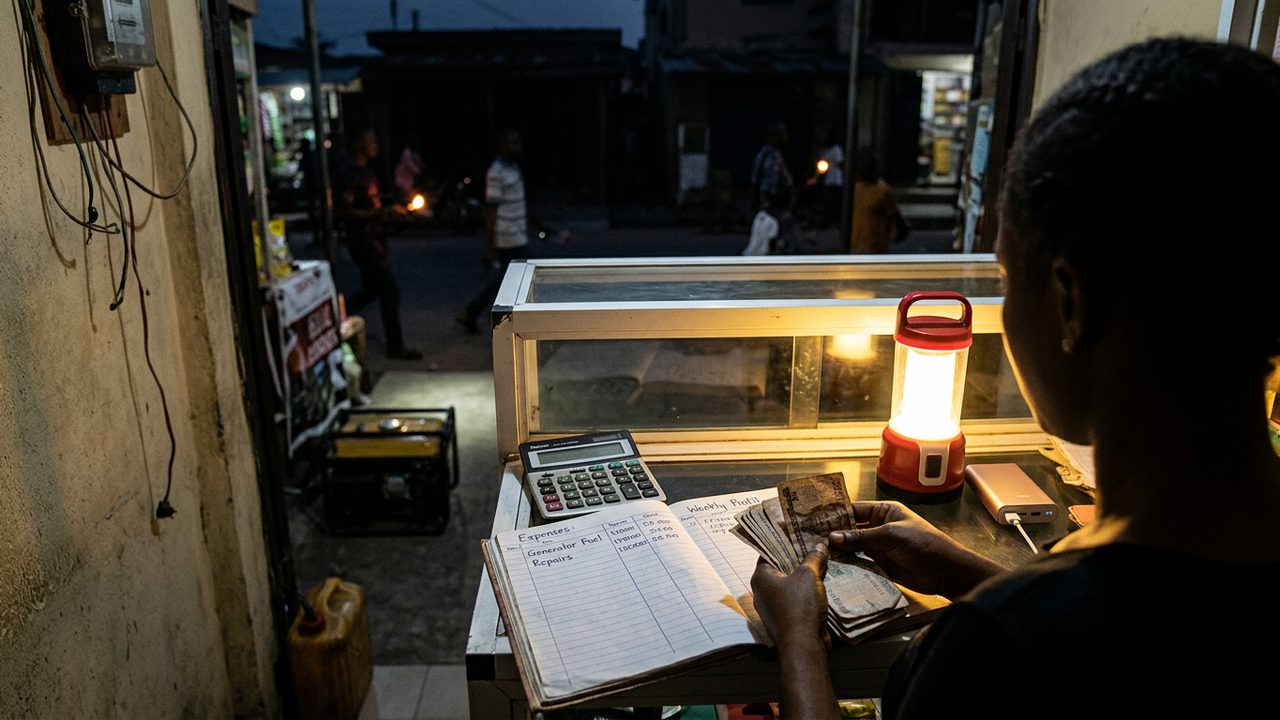
A functional hospital requires electricity, water, oxygen, laboratory services, diagnostic equipment, adequate beds, emergency supplies, sanitation and properly trained personnel. It also requires administrative systems capable of ensuring that essential resources are available when patients need them.
Without these things, the presence of a qualified doctor does not automatically translate into quality healthcare.
This is why NMA hospital reforms should be understood as a broader demand for institutional responsibility, rather than simply another disagreement between medical professionals and lawmakers.
Nigeria's Medical Brain Drain Is Making the Situation Worse
There is another dimension of this debate that deserves serious consideration: the migration of Nigerian medical professionals.
Nigeria has invested considerable time and resources in educating doctors, nurses, pharmacists, laboratory scientists and other healthcare professionals.
Medical education is demanding. It requires years of academic preparation, practical training, professional examinations and continuous development.
Yet, after acquiring these qualifications, many professionals seek opportunities outside the country.
The reasons are not difficult to understand.
Better remuneration, improved working conditions, access to modern equipment, professional development opportunities and greater workplace security are among the considerations influencing international career decisions.
Professor Omoti attributed the country's shortage of healthcare professionals to several factors, including poor remuneration, unfavourable working conditions, inadequate infrastructure, insecurity and excessive workloads.
These challenges create a difficult environment for those who remain.
When experienced professionals leave, the burden does not disappear. It is transferred to the colleagues who remain behind.
A doctor who previously shared responsibilities with several colleagues may find themselves attending to more patients with fewer resources. Nurses may face heavier workloads. Emergency departments may struggle with staffing shortages, while patients experience longer waiting times.
This creates a cycle that becomes increasingly difficult to reverse.
Poor working conditions encourage migration. Migration deepens staffing shortages. Staffing shortages increase pressure on remaining workers. Increased pressure makes the profession less attractive to those considering a future in the country.
Government cannot expect patriotism to function as a permanent substitute for decent working conditions.
Nigerian medical professionals have families, responsibilities, ambitions and personal futures. Their decision to seek opportunities abroad should not automatically be interpreted as a rejection of their country.
The more important question is why the country continues to struggle to retain people whose expertise is essential to its development.
A serious healthcare reform programme must address this problem.
Patients Deserve Protection, but Health Workers Deserve a Functional System
I do not believe this debate should become an argument in which patients and healthcare workers are positioned against each other.
That would be a dangerous mistake.
Patients are often among the most vulnerable people in the country. They arrive at hospitals frightened, financially exposed and desperate for assistance. Some have travelled long distances. Others have exhausted their savings before reaching a medical facility.
For a family confronting an emergency, explanations about inadequate hospital resources may offer little comfort when a loved one is struggling to survive.
Their anger is understandable.
At the same time, healthcare workers also operate within a system that can expose them to professional, financial and emotional pressures.
The solution must recognise both realities.
There should be transparent investigations when emergency treatment is refused. Hospitals should document their available resources, staffing levels, referrals and treatment decisions. Where negligence or deliberate misconduct is established, the appropriate professional and legal consequences should follow.
However, investigations must also establish whether a facility had the equipment, medication, personnel and operational capacity necessary to provide the treatment expected of it.
There is a difference between a professional who deliberately refuses to perform an available and reasonable medical intervention and a professional who encounters a situation in which essential resources are unavailable.
That distinction should matter in any fair accountability system.
A law that ignores it risks punishing individuals for institutional failures while leaving the underlying problems untouched.
What the National Assembly Should Prioritise
The National Assembly has an important responsibility in this debate. Protecting patients and improving healthcare delivery should remain central legislative objectives.
But legislation should be accompanied by measurable reforms.
First, lawmakers should demand a comprehensive assessment of emergency healthcare facilities across the country. Such an assessment should identify hospitals without reliable oxygen supplies, essential drugs, functional ambulances, blood storage facilities and adequate emergency personnel.
Second, healthcare funding must translate into visible improvements at the facility level. Budgetary allocations and approved programmes are important, but Nigerians need to know whether the money is reaching the institutions and services for which it is intended.
READ: Explainer: Why Nigeria's Electricity Problem Is a Financial Problem
The Basic Health Care Provision Fund provides an existing framework for strengthening access to healthcare. Its implementation, distribution and accountability mechanisms deserve sustained public attention.
The Federal Government announced an approved allocation of approximately ₦40.76 billion under the fund for the third quarter of 2026. That announcement makes it even more important to examine how available resources are translated into functioning services and improved patient outcomes.
Third, governments at federal and state levels must address staffing shortages. Hospitals need adequate numbers of doctors, nurses and other essential professionals. Recruitment must be accompanied by competitive remuneration, professional development and safer working environments.
Fourth, emergency referral systems need improvement. Patients should not be left stranded because facilities lack the coordination, transportation or communication systems required to transfer them to hospitals with the capacity to provide appropriate treatment.
Finally, government must establish clear accountability standards for both healthcare institutions and individual professionals.
The responsibility for delivering quality healthcare does not belong to doctors alone. It is shared by hospital management, government authorities, regulatory institutions and the wider healthcare system.
A Healthcare System Cannot Be Built on Fear
There is a difference between creating accountability and governing through fear.
A medical professional who understands that deliberate misconduct carries consequences should take professional responsibilities seriously. But a professional who believes that every adverse outcome could result in criminal punishment, regardless of available resources or circumstances, may begin to see the workplace as a place of personal danger rather than an environment where they can confidently practise medicine.
That does not mean reasonable laws should be abandoned. It means that legal safeguards, professional standards and institutional responsibilities must work together.
Nigeria should be building a healthcare system that attracts competent professionals, protects patients, encourages investment and gives medical workers the confidence to perform their duties.
Instead, the country risks deepening the existing crisis if the national response focuses too heavily on punishment without addressing the conditions responsible for repeated failures.
The wider healthcare debate also connects with the need for stronger emergency preparedness and public health infrastructure, an issue explored in our Global News Arena report, Nigeria's Ebola Alert: What We Know, What Authorities Are Doing and What the Public Should Understand.
A country's ability to protect its population depends not only on the professionals it employs but also on the institutions, funding and infrastructure supporting their work.
Nigeria Needs Accountability That Starts From the Top
Ultimately, the NMA has placed an important question before the National Assembly and the Nigerian public.
Who should answer when an emergency patient does not receive the treatment they need?
The answer should not be determined by whichever individual happens to be closest to the patient when something goes wrong.
If a doctor deliberately neglects a patient, there must be consequences. If a nurse acts negligently, professional accountability should follow. If a hospital fails to maintain essential equipment or provide necessary supplies, its management must answer questions. If government authorities fail to fulfil their responsibilities in financing and equipping public healthcare facilities, those failures must also attract scrutiny.
Accountability must travel in every direction.
It cannot begin and end at the hospital bedside.
I believe Nigeria has reached a point where healthcare reform must move beyond announcements, political promises and arguments over who deserves punishment. The country needs measurable improvements that ordinary citizens can experience when they walk into a hospital.
A mother should not have to wonder whether the hospital has the necessary resources to manage a childbirth emergency. A road accident victim should not lose valuable time moving between facilities because basic emergency services are unavailable. A doctor should not have to confront the impossible choice of managing a critical patient without essential equipment.
These are not unreasonable expectations. They are the minimum standards Nigerians should be able to demand from a functioning healthcare system.
The NMA's intervention should therefore be treated as an opportunity for a more serious national conversation.
Lawmakers can protect patients without ignoring the responsibilities of government. Healthcare professionals can demand better working conditions without abandoning their ethical obligations. Hospital administrators can be held accountable without making excuses for institutional failures.
The objective should be a system in which patients receive timely treatment, healthcare professionals have the resources to perform their duties and institutions are judged by their ability to deliver results.
Nigeria does not need a healthcare system where everyone is afraid of making a mistake while the underlying problems remain untouched.
It needs hospitals that are capable of saving lives.
Because when the next emergency arrives, Nigerians will not be interested in how many penalties lawmakers have introduced. They will want to know whether the hospital has oxygen, whether the doctor is available, whether the necessary medication is on the shelf and whether somebody is ready to save the person they love.
That is the real test of healthcare reform.
And until Nigeria takes that test seriously, punishment alone will never be enough.
The writer of this article does not claim to know the individuals named personally. The information regarding their backgrounds as published on Global News Arena is based on independent online research.
If you have an article, opinion piece, event or news story you would like published, Global News Arena would love to hear from you.