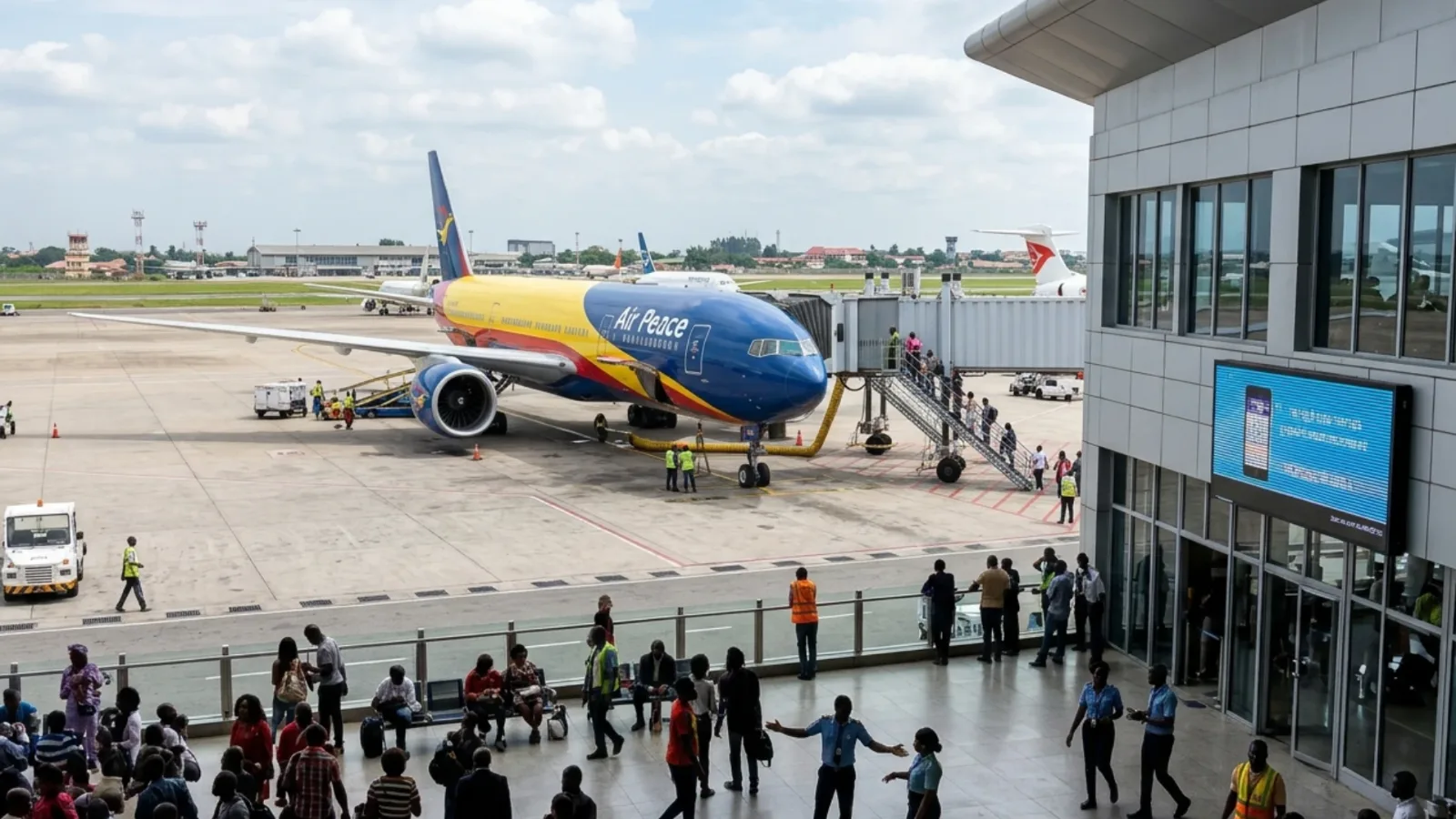
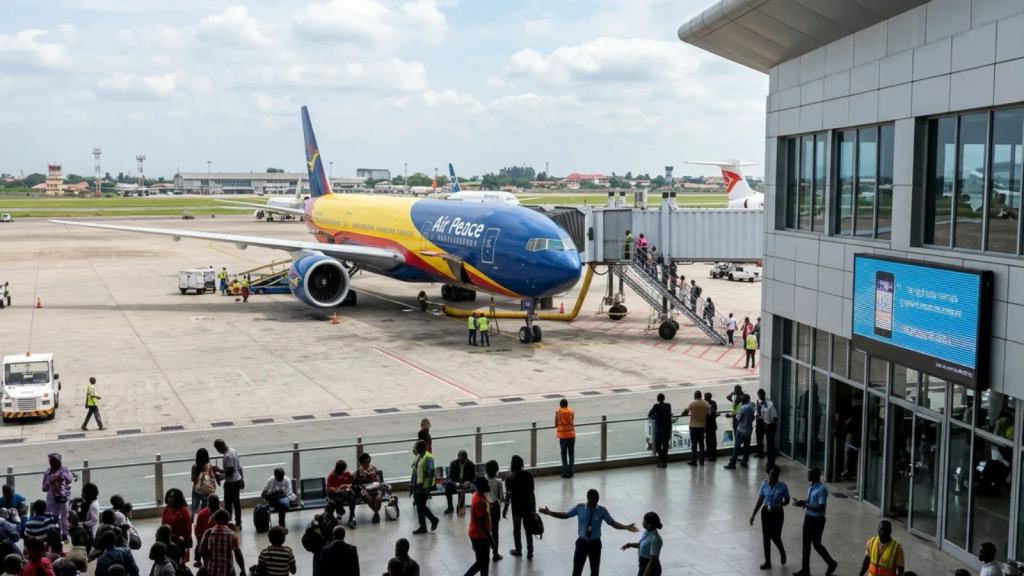
An Air Peace passenger incident caused a flight delay after a traveller reportedly became involved in an argument with cabin crew, according to a report published on November 10. The airline reportedly returned the aircraft to its parking position before the passenger was removed.
READ: Nigeria's Debt Bills Could Eat Most Government Income
The incident highlights a simple but important rule of air travel: passengers must follow crew instructions, even when they disagree with a decision. A disagreement inside an aircraft can affect more than the people involved. It can delay other travellers and create concerns about the safety and comfort of everyone onboard.
Read: Do you need a professional writer in 72 hours? Contact Auxi Chat
What Happened During the Air Peace Passenger Incident?
READ: Nigeria Wants One Bond Market Across West Africa
According to a report by Nigerian news outlet Nigerian Eye, the flight was delayed after a passenger reportedly made comments suggesting his anger could cause serious trouble for the aircraft. The disagreement led to the plane returning to its parking area while the situation was addressed.
The report did not establish that the passenger had damaged the aircraft or carried out an attack. The known account centres on the disagreement with cabin crew and the decision to remove him before the flight continued.
Read: Need a professional website in 72 hours? Contact Auxi Chat
Airline staff are responsible for maintaining order and responding to behaviour that could interfere with safe operations. When a disagreement escalates, the crew and airline may need to pause boarding or departure while the situation is assessed.
For passengers waiting to travel, even a short delay can disrupt connecting flights, work appointments and family plans. Airlines must therefore balance the need to address disruptive behaviour with the responsibility to minimise unnecessary delays.
Why Passenger Behaviour Matters on Flights
Air travel depends on cooperation. Passengers are expected to follow safety instructions, respect crew members and avoid actions that distract staff from their duties.
Cabin crew members are not simply there to serve food or answer questions. They are trained to help manage emergencies, communicate safety procedures and respond to situations that could affect the people onboard.
A passenger who refuses instructions or makes threatening statements may cause the crew to treat the situation seriously, even if the person later claims to have been joking or speaking out of anger. The context and available evidence matter when determining what action is appropriate.
The Air Peace passenger incident also shows why it is important for travellers to express complaints calmly. Passengers who believe they have been treated unfairly can ask for clarification, use the airline's customer service channels or submit a formal complaint after the journey.
Arguing aggressively at the airport or onboard is unlikely to resolve a dispute quickly. It can instead create additional problems for the passenger and other travellers.
How Airlines Handle Disruptive Passengers
Airlines may delay departure, involve airport security or remove a passenger when behaviour raises safety or operational concerns. The appropriate response depends on the facts, the airline's procedures and any applicable aviation rules.
Not every disagreement amounts to a criminal offence, and the details of each case must be assessed individually. It is important not to assume guilt or claim that a passenger committed a specific offence unless authorities or reliable reporting establish that fact.
Passengers can help prevent such incidents by listening carefully to crew instructions, asking questions respectfully and avoiding threats or confrontational behaviour. If a problem cannot be resolved onboard, they can request that it be handled through the airline's official complaint process.
Airlines, in turn, should communicate their decisions clearly and apply their policies fairly. Clear explanations can help prevent misunderstandings from becoming larger disputes.
What Travellers Should Learn From the Incident
READ: Lagos and the Rising Water: A City Planning Against the Sea
The main lesson is that an aircraft is a shared space where individual behaviour can affect dozens or hundreds of people. A personal disagreement can quickly become an operational concern when a flight is preparing to depart.
Travellers should arrive early, follow instructions and give airline staff the opportunity to resolve problems through established procedures. If a flight is delayed, passengers should seek updates from official airline representatives rather than relying only on social media claims.
The Air Peace passenger incident is a reminder that safe air travel requires cooperation between passengers, cabin crew, airport staff and airline management. Everyone has a part to play in ensuring that disputes do not put other travellers or flight operations at risk.
As more Nigerians travel for business, education and holidays, respectful conduct and clear communication remain essential parts of a smooth journey.
Are you interested in learning how to write professionally and earn money as a writer and content creator? Contact Auxi Chat today to start your writing journey immediately.
Need a professional website in 72 hours? Contact Auxi Chat
If you have an article, opinion piece, event or news story you would like published, Global News Arena would love to hear from you.