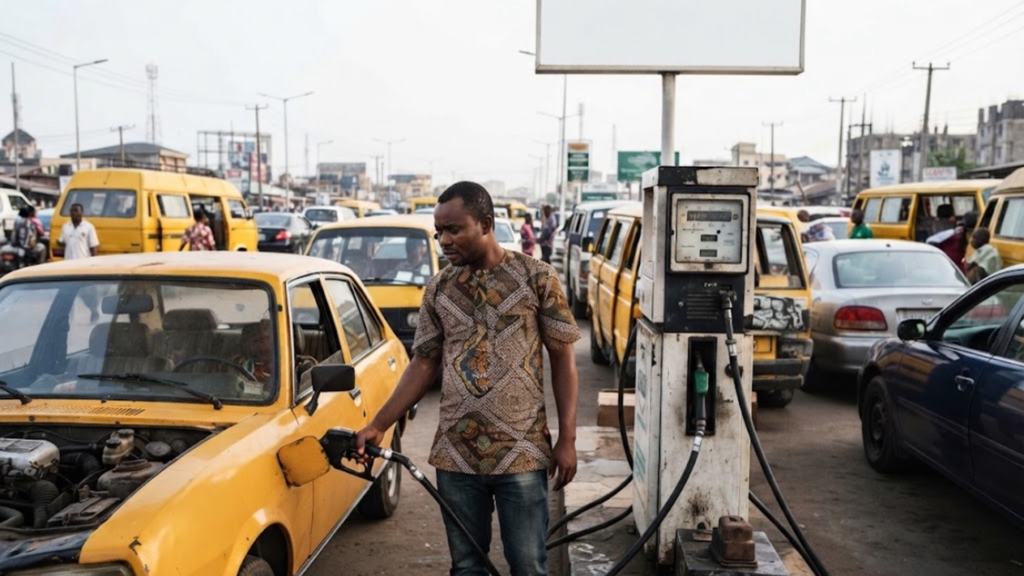
CNG Adoption in Nigeria Faces Cost and Access Problems
READ: Nigeria's Debt Bills Could Eat Most Government Income
CNG adoption in Nigeria is facing two major challenges: the cost of converting vehicles to use compressed natural gas and the limited number of convenient refuelling stations. The Federal Government says these problems must be addressed if more drivers are to move away from petrol and diesel.
Read: Do you need a professional writer in 72 hours? Contact Auxi Chat
Compressed natural gas, commonly called CNG, is an alternative fuel that can be used in vehicles fitted with suitable equipment. The government has promoted it as another option for transport, but drivers need to be confident that it is affordable, available and reliable before making the switch.
READ: Nigeria Wants One Bond Market Across West Africa
The Presidential Initiative on Compressed Natural Gas and Electric Vehicles has highlighted the need for better infrastructure and lower barriers for vehicle owners.
Why CNG Adoption in Nigeria Is Slow
Read: Need a professional website in 72 hours? Contact Auxi Chat
Converting a vehicle to use CNG can require an upfront payment that some drivers may struggle to afford. Even if the fuel offers potential savings over time, a driver must first find the money to make the vehicle suitable for it.
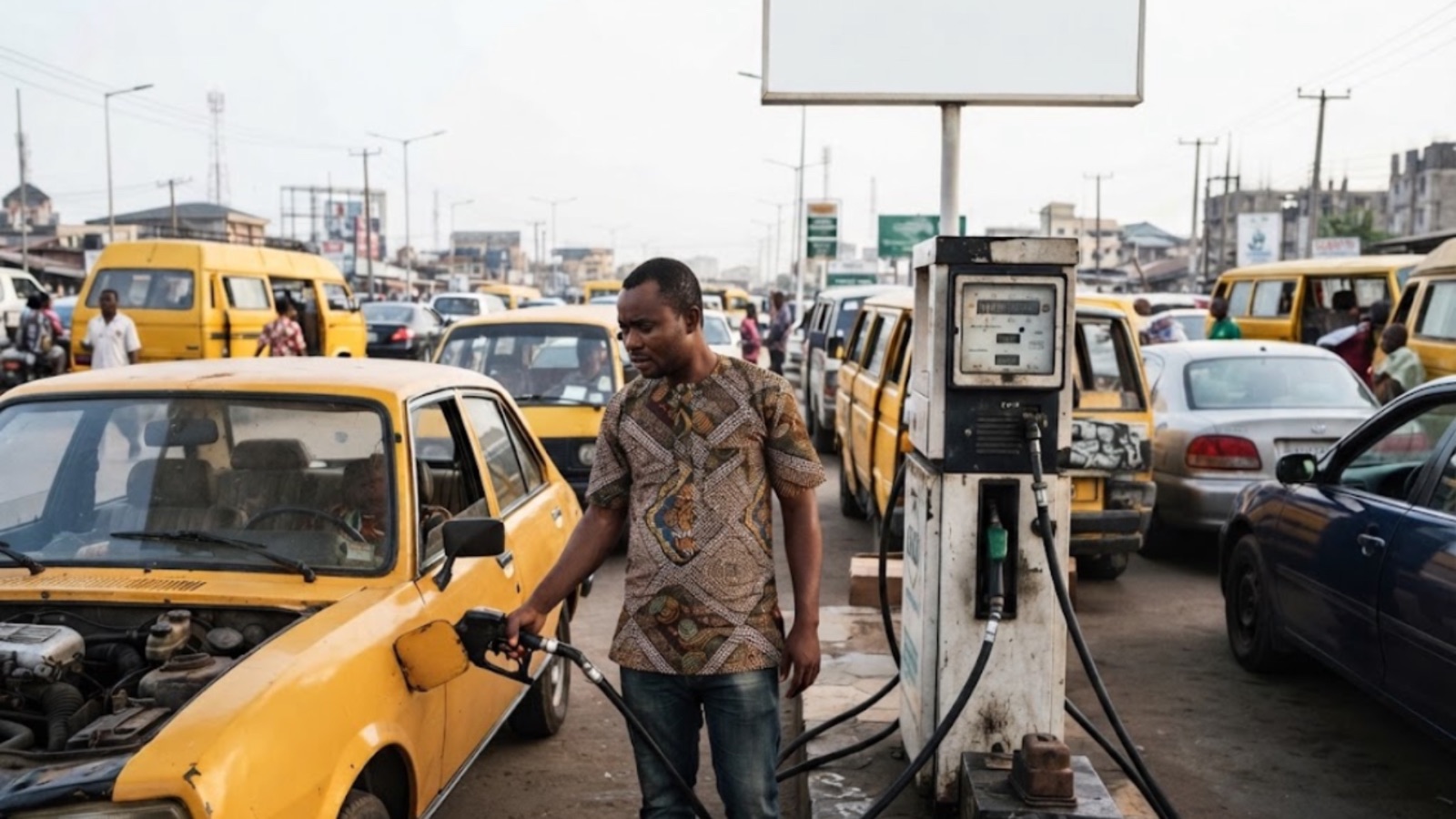
The second challenge is access to refuelling stations. Drivers need to know they can find a station along their usual routes. If refuelling requires a long detour or involves waiting for supplies, the change may not be practical for people who depend on their vehicles to earn money.
The government initiative has also identified concerns about gas supply, safety and the real savings drivers can make.
These concerns matter especially to commercial drivers. A driver who spends the day carrying passengers or goods needs a dependable fuel supply to keep working. Cheaper fuel is less helpful if the driver cannot easily find somewhere to refill the vehicle.
Government Sets a Higher CNG Vehicle Target
The Presidential Initiative on Compressed Natural Gas and Electric Vehicles reported that Nigeria had about 143,000 CNG-powered vehicles as of the third quarter of 2026.
It is targeting an increase to 273,000 vehicles by February 2027. That would mean adding about 130,000 converted vehicles within five months, according to the initiative.
The initiative’s chairman, Ismaeel Ahmed, said wider adoption would require more than announcing projects. Drivers and passengers must experience clear benefits in their daily lives.
The programme has also attracted more than $2.5 billion in private-sector investment commitments, according to Ahmed. Private investment is expected to help expand the infrastructure needed to support alternative transport energy.
However, reaching the vehicle target will depend on whether conversion services and refuelling facilities become accessible to more Nigerians.
Will CNG Help Reduce Transport Costs?
CNG could give some drivers another fuel option, but the overall savings depend on several factors, including conversion expenses, fuel prices, maintenance and how easily drivers can refuel.
For passengers, the benefit will also depend on whether transport operators pass any operating-cost savings on through more affordable fares. Lower fuel costs do not automatically guarantee lower transport prices.
The government says the transition must be affordable and dependable enough for people to trust it. That means making refuelling stations easier to reach, ensuring a reliable gas supply and helping drivers understand the cost and safety requirements of converting their vehicles.
READ: Nigeria ITU Council Re-election Secures Four-Year Term
What Needs to Change?
To increase CNG adoption in Nigeria, the country will need more accessible refuelling facilities, affordable conversion options and clear information about safe vehicle use.
Drivers will also need confidence that the fuel will be available when they need it. Private investors, transport operators and public agencies will have important roles in building the infrastructure and making the transition practical.
The government’s target is ambitious, but the real test will be whether ordinary drivers can afford the change and save money without losing valuable working time.
Are you interested in learning how to write professionally and earn money as a writer and content creator? Contact us today to start your writing journey immediately.
Need a professional website in 72 hours? Contact us
Do you need a professional writer in 72 hours? Contact us
If you have an article, guest story, event or news tip you would like published, Global News Arena would love to hear from you.