Abuja Market Fire Leaves Traders Counting Their Losses
READ: Nigeria ITU Council Re-election Secures Four-Year Term
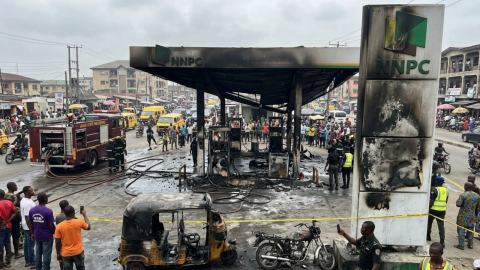
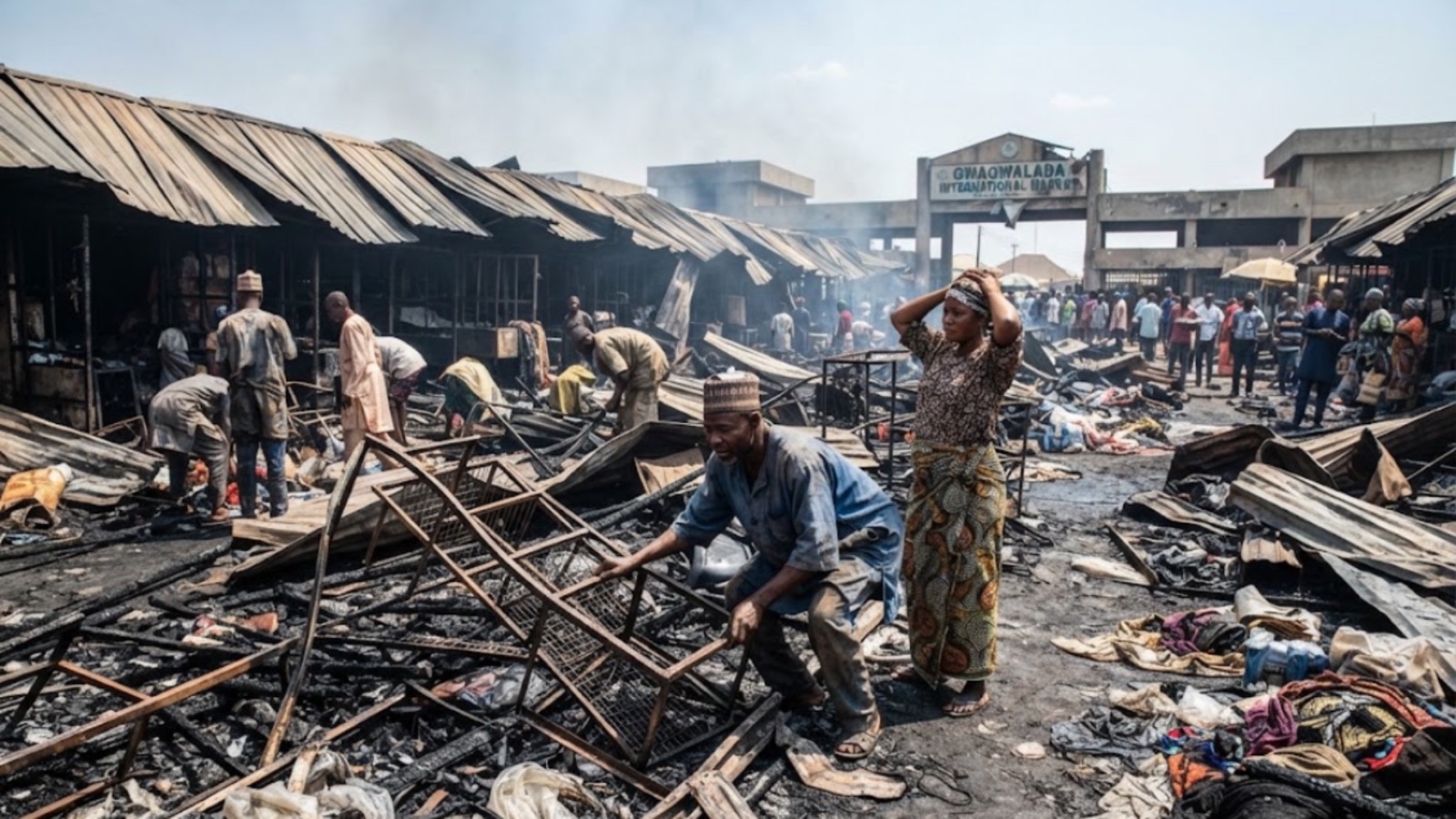
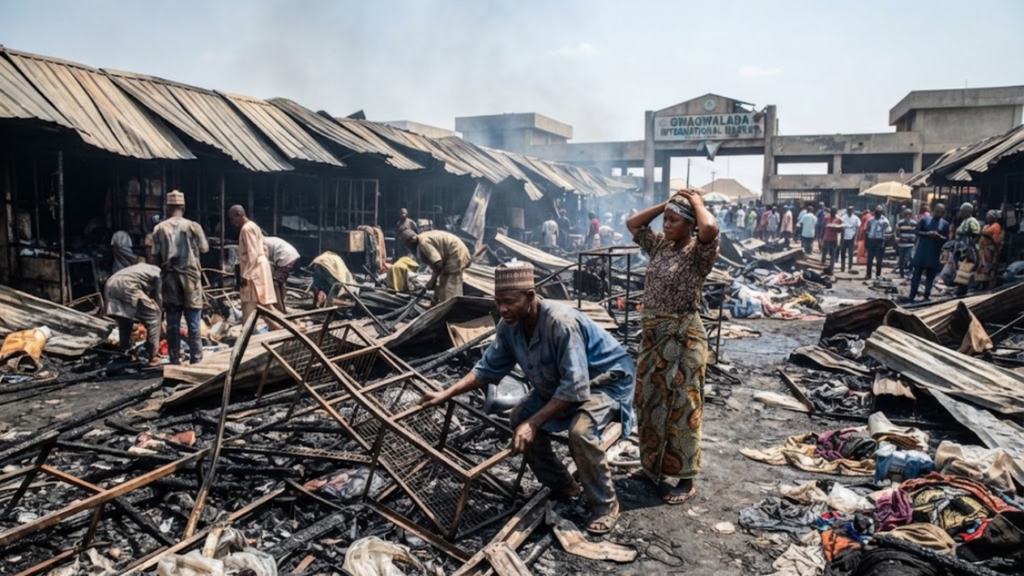
A fire at Gwagwalada International Market in Abuja has affected about 45 traders, leaving many worried about how they will recover their businesses. The Federal Capital Territory Emergency Management Department confirmed that 28 open stalls and two lock-up shops were damaged in the incident.
Read: Do you need a professional writer in 72 hours? Contact Auxi Chat
The market fire happened on Saturday, November 14, while details of the damage were reported on Monday, November 16. The incident has raised fresh concerns about fire safety in busy Nigerian markets, where traders often keep their money-making goods in small shops and stalls.
READ: Dangote Road Investment: ₦3.3 Trillion for Nigeria
For many affected traders, the loss is more than damaged buildings. It also means losing goods they bought with their savings or money borrowed to keep their businesses running.
What Happened at Gwagwalada Market?
Read: Need a professional website in 72 hours? Contact Auxi Chat
According to the emergency management department, the fire damaged 28 open stalls and two lock-up shops. The agency carried out an assessment with officials of the National Emergency Management Agency to understand the damage and the needs of the affected traders.
A market association representative told the assessment team that security personnel noticed smoke coming from a shop after electricity supply was restored. However, this account does not by itself establish the cause of the fire.
The incident destroyed different goods, including food items, clothing, herbal medicines and drinks. One trader, Salome Israel, reportedly lost goods worth about ₦400,000, showing how quickly a disaster can wipe out money invested in a small business.
Emergency Officials Call for Better Fire Safety
Emergency officials have urged market operators to take fire prevention more seriously. Traders have been advised to switch off electrical appliances before leaving their shops and ensure that electrical installations are checked regularly.
Officials also stressed the need for working firefighting equipment within markets. Such equipment can help people respond more quickly when a fire starts, potentially reducing the damage before emergency teams arrive.
Insurance was another issue raised during the assessment. Traders with suitable insurance may have a better chance of recovering some losses, although many small businesses struggle to afford this protection.
The emergency management department is also assessing what the affected traders need. Any relief support will depend on the relevant assessment and approval process.
What the Fire Means for Small Businesses
For small traders, losing stock can mean losing the money needed to feed their families, pay rent and restock their shops. Some may need financial assistance or new goods before they can begin trading again.
READ: Tinubu Cites Gains Against Nigeria’s Senior Terrorist Leaders
The Gwagwalada market fire is a reminder that fire safety should not be treated as an afterthought. Regular electrical checks, accessible extinguishers and clear emergency plans can help protect traders, customers and livelihoods.
As affected traders assess their losses, attention will turn to the support available to them and the steps market leaders can take to reduce the risk of another fire.
Are you interested in learning how to write professionally and earn money as a writer and content creator? Contact us today to start your writing journey immediately.
Need a professional website in 72 hours? Contact us
Do you need a professional writer in 72 hours? Contact us
If you have an article, guest story, event or news tip you would like published, Global News Arena would love to hear from you.