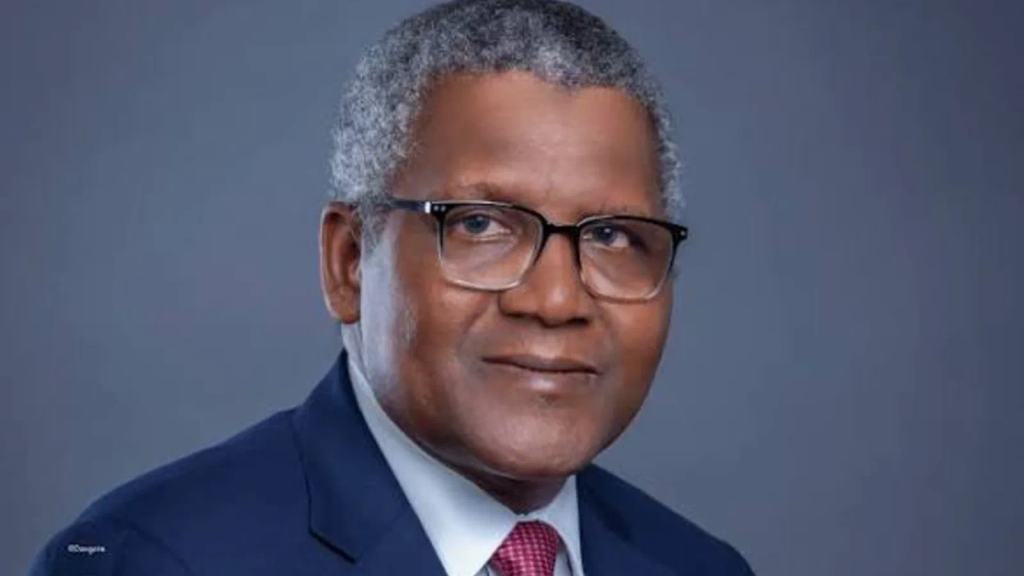
Dangote Road Investment: ₦3.3 Trillion for Nigeria
READ: Afreximbank Offers $2 Billion to States for New Projects
Dek/Standfirst: Aliko Dangote says businesses under his group are committing ₦3.3 trillion to Nigerian road projects, with the investment expected to improve transportation and support the movement of goods across the country.
Read: Do you need a professional writer in 72 hours? Contact Auxi Chat
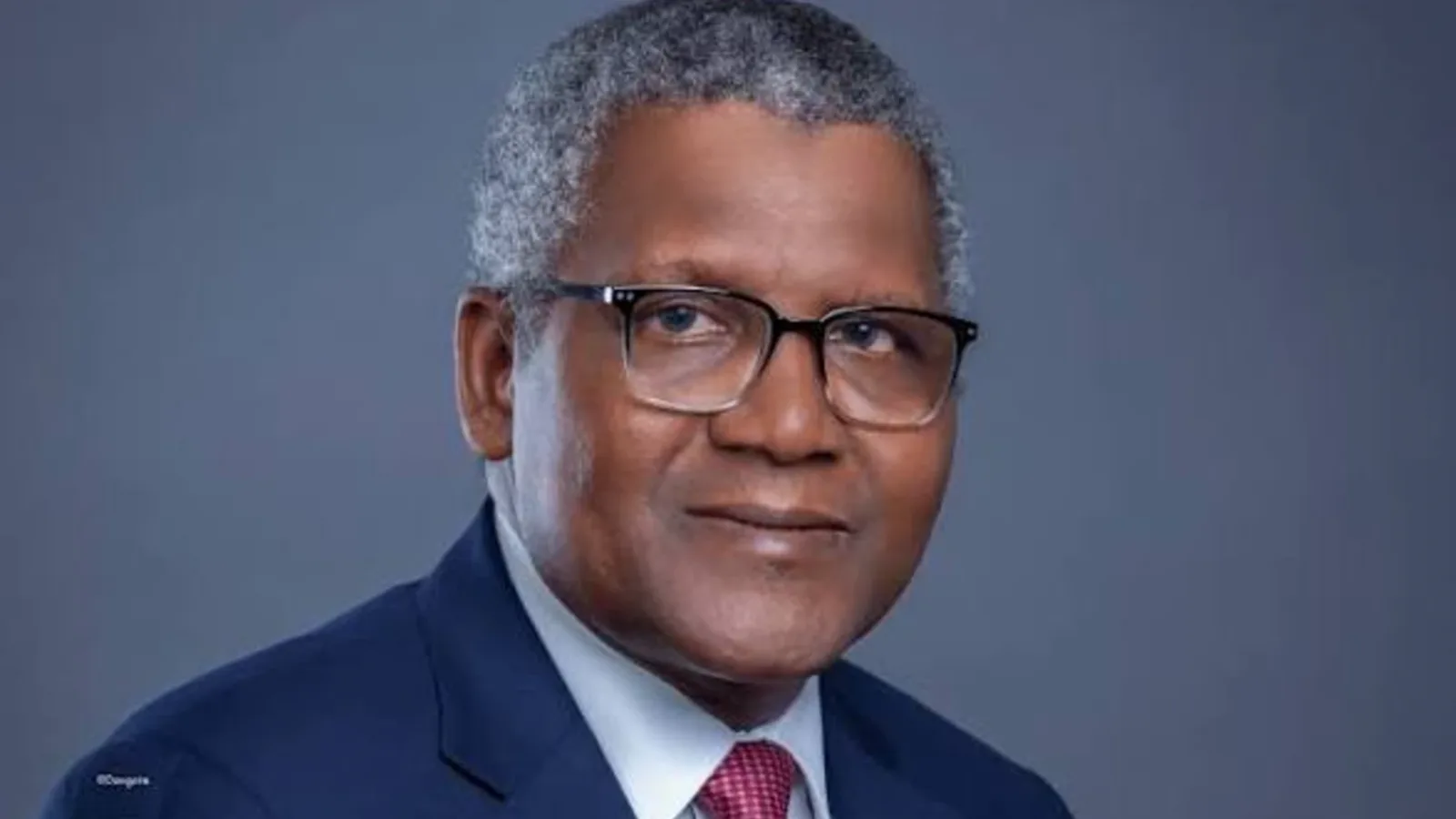
The Dangote road investment in Nigeria has reached ₦3.3 trillion, according to billionaire industrialist Aliko Dangote, who says businesses under his group are spending the money to improve road transportation and support economic activities.
READ: Nigeria ITU Council Re-election Secures Four-Year Term
Dangote disclosed the figure on November 16, 2026, while speaking at the Invest in Ghana Summit in Accra, where he appeared alongside Ghanaian President John Dramani Mahama.
The announcement represents a major Aliko Dangote investment in Nigerian road infrastructure. The spending is intended to make it easier for the group's businesses to transport products from factories to customers across the country.
Read: Need a professional website in 72 hours? Contact Auxi Chat
Dangote explained that his businesses operate approximately 14,000 trucks in Nigeria, making reliable roads important to their manufacturing and distribution operations.
The investment, reported as approximately $2.2 billion by some sources, comes as poor road conditions continue to affect transportation costs and the movement of goods across Nigeria.
Dangote Road Investment Targets Major Nigerian Highways
One of the major projects associated with the Dangote road investment is the 401-kilometre Lambata-Bida-Mokwa-Makera-Kontagora highway in Niger State.
The Federal Executive Council approved the project at an estimated cost of ₦1.83 trillion. Construction was flagged off in October 2026, with the highway expected to improve transportation along the corridor when completed.
Another major project is the Apapa-Oworonshoki-Ojota Expressway in Lagos. The road is an important route for trucks transporting goods to and from the country's major seaports.
The group is also involved in the Lokoja-Obajana-Kabba road project in Kogi State, which serves transportation around its Obajana cement plant.
In July 2026, the Federal Ministry of Works reported that Dangote Group was executing 12 road projects valued at approximately ₦3 trillion under the Federal Government's infrastructure tax credit arrangement.
The ministry's announcement provides further context on the group's involvement in federal road construction and rehabilitation projects.
Why Dangote Is Investing in Nigerian Road Infrastructure
The Dangote road investment is closely connected to the transportation needs of the group's businesses.
Dangote Group operates in several industries, including cement manufacturing, petroleum refining, fertiliser production and food processing. These operations depend on roads to move raw materials and finished products between production facilities, warehouses and markets.
With approximately 14,000 trucks operating in Nigeria, poor road conditions can increase vehicle maintenance expenses, delay deliveries and raise distribution costs.
Better roads could help businesses reduce some of these transportation challenges while improving access to markets.
The benefits may also extend beyond Dangote's companies. Farmers, manufacturers, traders and transport operators depend on the same road network to move goods across different parts of the country.
However, the long-term impact will depend on the completion, quality and maintenance of the roads.
Federal Government's Road Construction Partnership
The Dangote road investment builds on the group's participation in government-backed infrastructure projects.
Under the Road Infrastructure Development and Refurbishment Investment Tax Credit Scheme, eligible private companies were allowed to finance approved road projects and receive tax credits for qualifying expenditure.
The arrangement was introduced to encourage private-sector participation in infrastructure development and support road construction without relying entirely on direct government funding.
The Federal Ministry of Works has previously identified several projects being undertaken by Dangote Group under the arrangement.
The ministry's July 2026 announcement listed 12 projects valued at about ₦3 trillion. These projects cover different parts of the country and include roads important to commercial transportation.
Read our related report on the Obajana Cement Plant's rising construction costs for more information about the group's industrial operations in Nigeria.
Dangote Proposes a 1,000-Kilometre West African Road
During the Invest in Ghana Summit, Dangote also proposed a 1,000-kilometre road linking Nigeria, Ghana and Côte d'Ivoire.
The proposed West African road project is intended to improve regional transportation and make cross-border trade easier between the three countries.
Dangote said he planned to engage President John Mahama and other regional leaders to encourage attention to the proposal.
READ: Tinubu Cites Gains Against Nigeria’s Senior Terrorist Leaders
If developed, the road could improve connections between markets and support the movement of agricultural products and manufactured goods across the region.
However, the proposal remains separate from the Nigerian road projects already being undertaken. Details about its financing, construction timetable and government approvals have not yet been established.
What Dangote Road Investment Could Mean for Nigerians
The Dangote road investment could contribute to Nigeria's wider infrastructure development if the projects are completed to the required standards.
Roads play an important role in the country's economy because they connect farms, factories, markets, seaports and communities.
Poor roads can increase transportation expenses and make it difficult for businesses to deliver goods on time. Improved highways could help reduce some of these problems and support commercial activities.
Nevertheless, the amount announced is only one measure of the investment. The actual benefits will depend on how many projects are completed, their construction quality and how well they are maintained.
For Nigerians, the important question is whether the road projects will lead to safer journeys, more reliable transportation and lower costs for businesses and consumers.
The progress of the projects will therefore remain important as the country continues efforts to improve its road infrastructure.
Are you interested in learning how to write professionally and earn money as a writer and content creator? Contact us today to start your writing journey immediately.
Need a professional website in 72 hours? Contact us
Do you need a professional writer in 72 hours? Contact us
If you have an article, guest story, event or news tip you would like published, Global News Arena would love to hear from you.