The cooking gas price in Nigeria has reportedly reached ₦1,000 per kilogram at the gantry, raising fresh concerns about the cost of preparing everyday meals. For households, food vendors and small businesses, another increase in cooking fuel costs could put additional pressure on already stretched budgets.
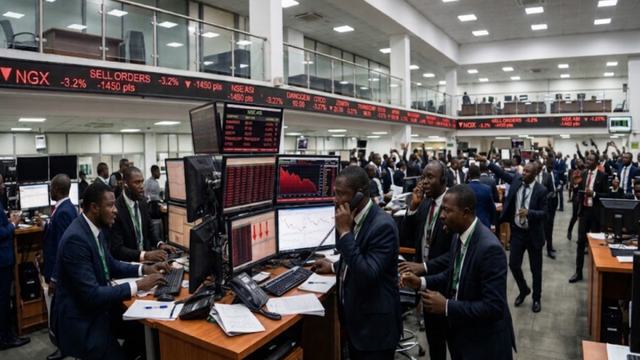
READ: Nigerian Stock Market Loses ₦3.28 Trillion as Heavy Selling Hits Major Shares
When I think about the cost of living in Nigeria, I keep returning to the expenses that families cannot simply avoid. People may postpone buying new clothes, delay replacing a phone or reduce spending on entertainment, but food must still be prepared. That is why the latest development in the cooking gas market matters beyond the energy industry.
Read: Do you need a professional writer in 72 hours? Contact Auxi Chat
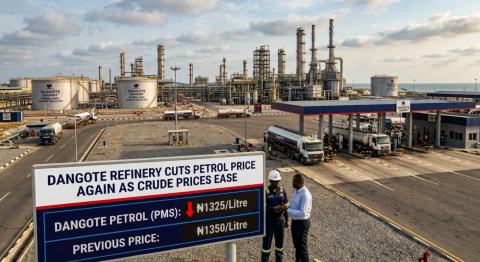
A report published on Friday, 6 November 2026, said the gantry price of liquefied petroleum gas, commonly known as cooking gas, had reached ₦1,000 per kilogram following a pricing adjustment by Dangote Refinery. The development has raised concerns about the cost of cooking for households and the operating expenses of businesses that depend on gas every day.
READ: Federal Government Revenue in Nigeria Reaches ₦33 Trillion
The reported gantry price is not necessarily the amount every consumer will pay at a retail outlet. Transport, distribution and other expenses can affect the final price. Nevertheless, changes at the supply end of the market can place pressure on the entire chain.
Why the Cooking Gas Price in Nigeria Matters
Read: Need a professional website in 72 hours? Contact Auxi Chat
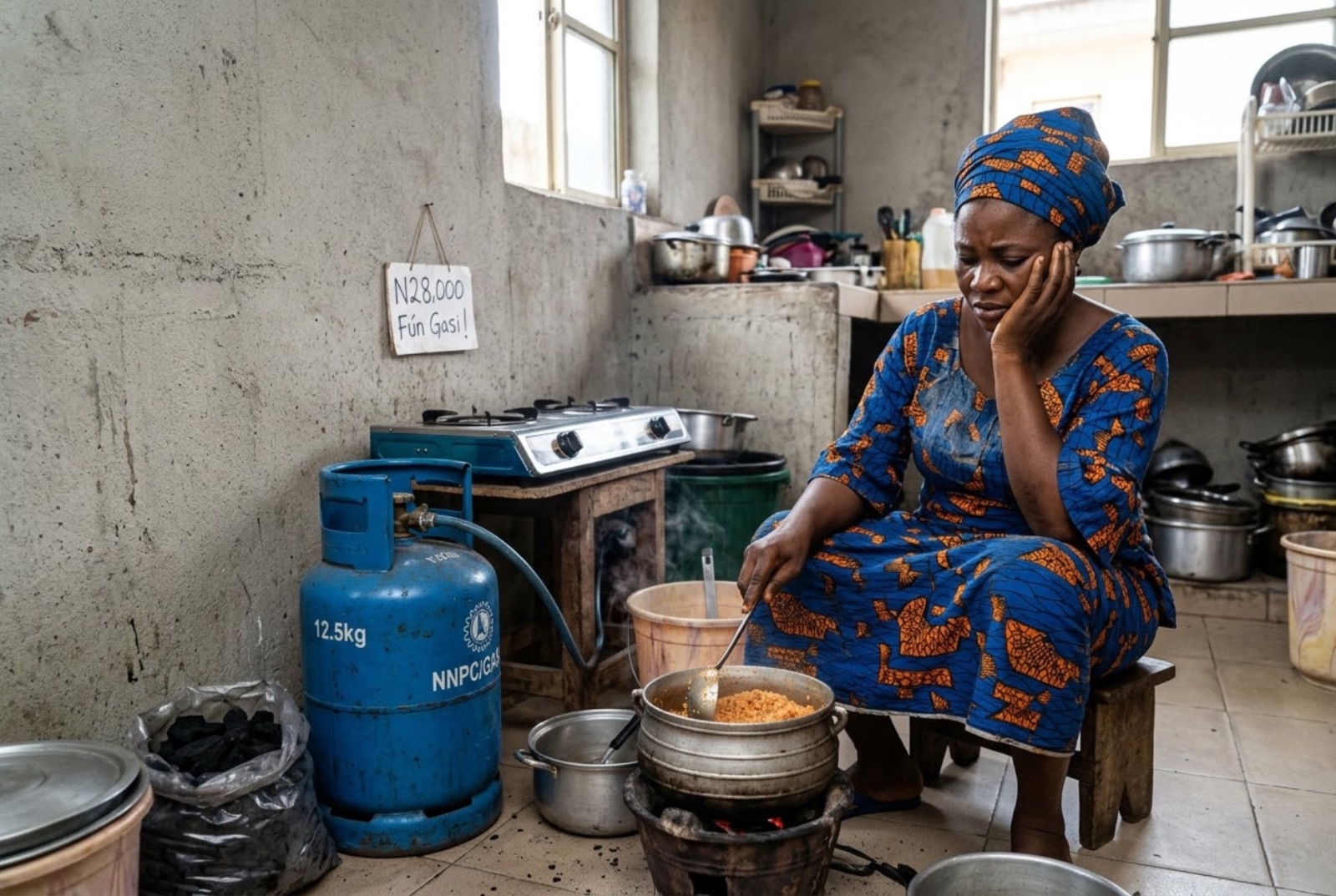
I believe the importance of this development is best understood through an ordinary household budget. A family does not experience energy prices as an abstract market indicator. It experiences them when the money set aside for food and cooking fuel no longer stretches as far as expected.
When the cost of cooking fuel rises, families must decide how to manage the difference. Some may spend more on gas and reduce another expense. Others may purchase smaller quantities at a time, although buying in smaller quantities does not always offer the best value.
These decisions can be particularly difficult when food, transport, school expenses and other necessities are already competing for limited income.
The effect will not be identical across Nigeria. Retail prices may differ by location, supplier and the amount purchased. Consumers should therefore check the actual price offered by reputable local suppliers rather than assume that the reported gantry price is the final retail price everywhere.
Restaurants and Food Vendors Face Another Cost Test
The impact extends beyond homes. Restaurants, roadside food sellers, caterers and small food businesses depend on cooking fuel to serve customers.
For these businesses, the problem is not simply that one expense has increased. It is that every additional cost must be managed alongside the price of ingredients, transport, rent, wages and other operating needs.
A food vendor who absorbs the increase may protect customers from an immediate price rise, but the business could lose part of its margin. A vendor who raises meal prices may protect the business financially while making food more expensive for customers.
Neither option is painless. Smaller businesses may also have less negotiating power than larger operators and fewer resources to absorb sudden cost changes.
This is why I see energy affordability as a business issue as much as a household issue. When the cost of producing and selling meals rises, the consequences can travel from the fuel supplier to the restaurant and eventually to the customer.
What Consumers Should Watch
READ: Instagram News: Meta Pauses Business Terms Changes Amid AI Concerns
The next question is whether the higher gantry price is sustained and how distributors and retailers respond. Actual retail prices, the reliability of supply and the cost of transportation will help determine how much pressure consumers eventually experience.
Consumers should compare prices from reputable suppliers, confirm the quantity they are buying and avoid compromising safety in an attempt to save money. Any change in cooking arrangements must take account of suitable equipment, proper handling and ventilation.
For businesses, it may be useful to review fuel consumption and operating costs, but efficiency measures cannot always offset a substantial increase in input prices.
The broader issue is whether Nigerian households and small businesses can manage essential expenses without continually sacrificing other needs. The latest cooking gas price report does not answer that question on its own, but it provides another reminder that affordability is measured in the daily decisions people must make.
For me, that is the real significance of this development. The price of cooking gas is not just a number in a market report. It is part of the cost of putting food on the table and keeping thousands of small businesses operating.
The writer of this article does not claim to know the individuals named personally. The information regarding their backgrounds as published on Global News Arena is based on independent online research.
If you have an article, opinion piece, event or news story you would like published, Global News Arena would love to hear from you.