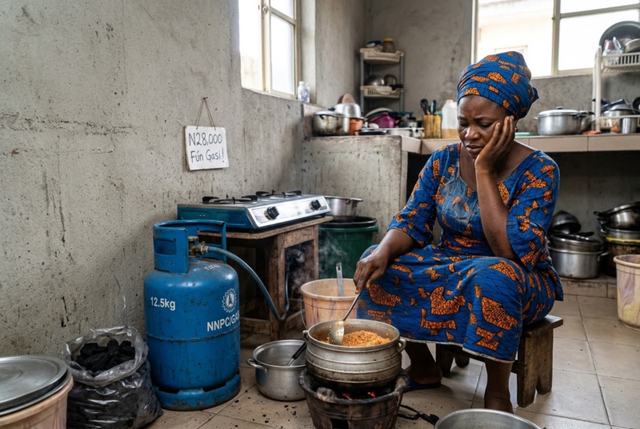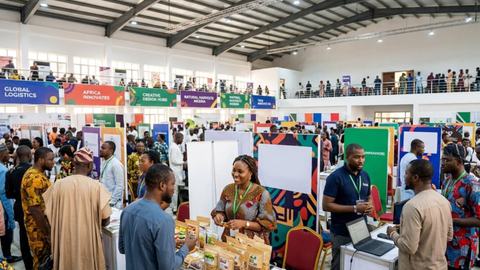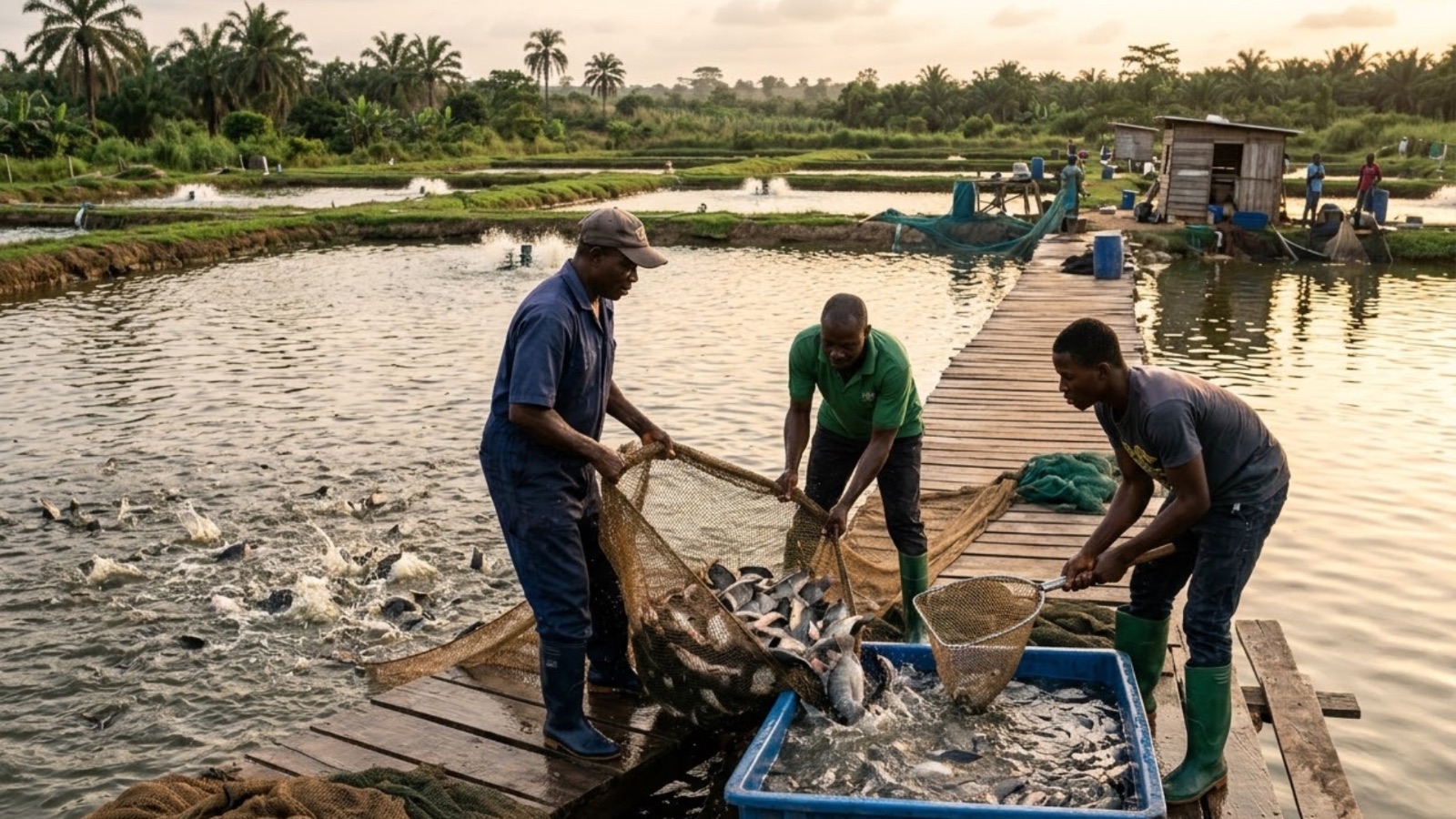
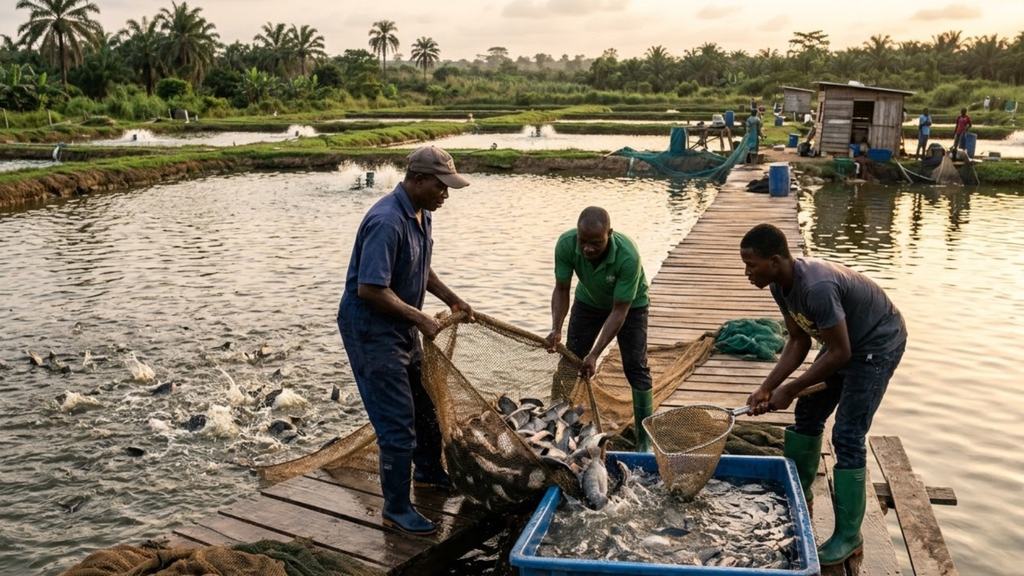
Nigeria fish production ambitions have received fresh attention following the announcement of a reported $200 million World Bank-backed production drive intended to strengthen domestic supply and support the country's agricultural sector.
READ: Nigeria External Debt and China Loans: World Bank Reveals $145 Billion Debt
The initiative was highlighted on Monday, November 9, as part of a broader effort to improve fish production, mobilise investment and advance food security. The programme was associated with Nigeria's drive towards greater domestic production and a reduced dependence on imported supplies.
Read: Do you need a professional writer in 72 hours? Contact Auxi Chat
Fish is an important source of protein for many Nigerian households, while fish farming and processing provide livelihoods for farmers, traders, transporters and other participants in the food supply chain.
READ: High Business Costs in Nigeria Put Jobs at Risk
However, the impact of a large funding initiative will depend on how the money is deployed, which producers benefit and whether additional output reaches consumers at affordable prices.
Nigeria fish production drive targets local supply
Read: Need a professional website in 72 hours? Contact Auxi Chat
Domestic fish farming offers opportunities to expand food production while supporting agricultural businesses. Aquaculture can provide an additional source of supply alongside fish caught in rivers, lakes and coastal waters.
A stronger local production system could help create opportunities for fish farmers, hatcheries, feed suppliers, processors and distributors. It may also encourage investment in storage and transportation, which are important for preserving fish and reducing losses after harvesting.
The proposed investment is therefore relevant beyond the farms themselves. Successful production depends on the availability of quality fingerlings, suitable feed, reliable water supplies, technical knowledge and access to markets.
Farmers also need predictable operating conditions. High input costs, inadequate storage and difficulties accessing affordable financing can make it challenging for small and medium-sized producers to expand their operations.
World Bank-backed funding raises implementation questions
A reported $200 million funding commitment is substantial enough to attract attention, but the practical details will determine its value to Nigeria's agricultural sector.
Important questions include the financing structure, implementation timeline, participating institutions, eligibility criteria and the way funds will reach farmers and other businesses involved in production.
It is also important to distinguish a funding announcement from money already disbursed or projects that have been completed. The available reporting does not establish all the programme's operational details, so these should be confirmed before making more specific claims about beneficiaries or expected output.
Transparent implementation will help establish whether the initiative reaches producers who need support and whether investments produce measurable improvements.
Can more local fish help address food costs?
Increasing domestic fish production could improve supply, but it would not automatically guarantee lower retail prices.
The final cost of fish is affected by several factors, including feed, transport, processing, storage, energy and market conditions. If production rises while these costs remain high, consumers may see only limited price reductions.
Cold storage and dependable transportation are particularly important because fish is perishable. Better infrastructure can help farmers move their products to markets while reducing spoilage and financial losses.
READ: Nigerian Stock Market Loses ₦3.28 Trillion as Heavy Selling Hits Major Shares
Access to affordable financing may also enable producers to invest in equipment, expand their ponds and improve production methods. Training and technical support can help farmers increase productivity while managing disease risks and maintaining suitable farming conditions.
Food security depends on measurable results
The wider objective of a domestic fish production drive is to strengthen the food system while creating sustainable economic opportunities. Achieving that objective requires more than announcing a funding figure.
Progress should be assessed through measurable indicators, including increases in local output, the number of producers supported, improvements in storage and processing, jobs created and changes in the availability of fish in local markets.
Public reporting should also clarify the programme's costs, delivery milestones and expected outcomes. Such information would allow farmers, consumers and other stakeholders to assess whether the initiative is achieving its objectives.
For Nigeria, expanding domestic fish production could support agriculture, create business opportunities and contribute to a more resilient food supply. The reported World Bank-backed initiative offers a potential avenue for that progress, but its ultimate value will depend on implementation, accountability and tangible benefits for producers and consumers.
The writer of this article does not claim to know the individuals named personally. The information regarding their backgrounds as published on Global News Arena is based on independent online research.
If you have an article, opinion piece, event or news story you would like published, Global News Arena would love to hear from you.