MTN Nigeria revenue growth supports group performance
READ: FG Unveils $2bn Super Grid Plan to Boost Nigeria's Power Supply
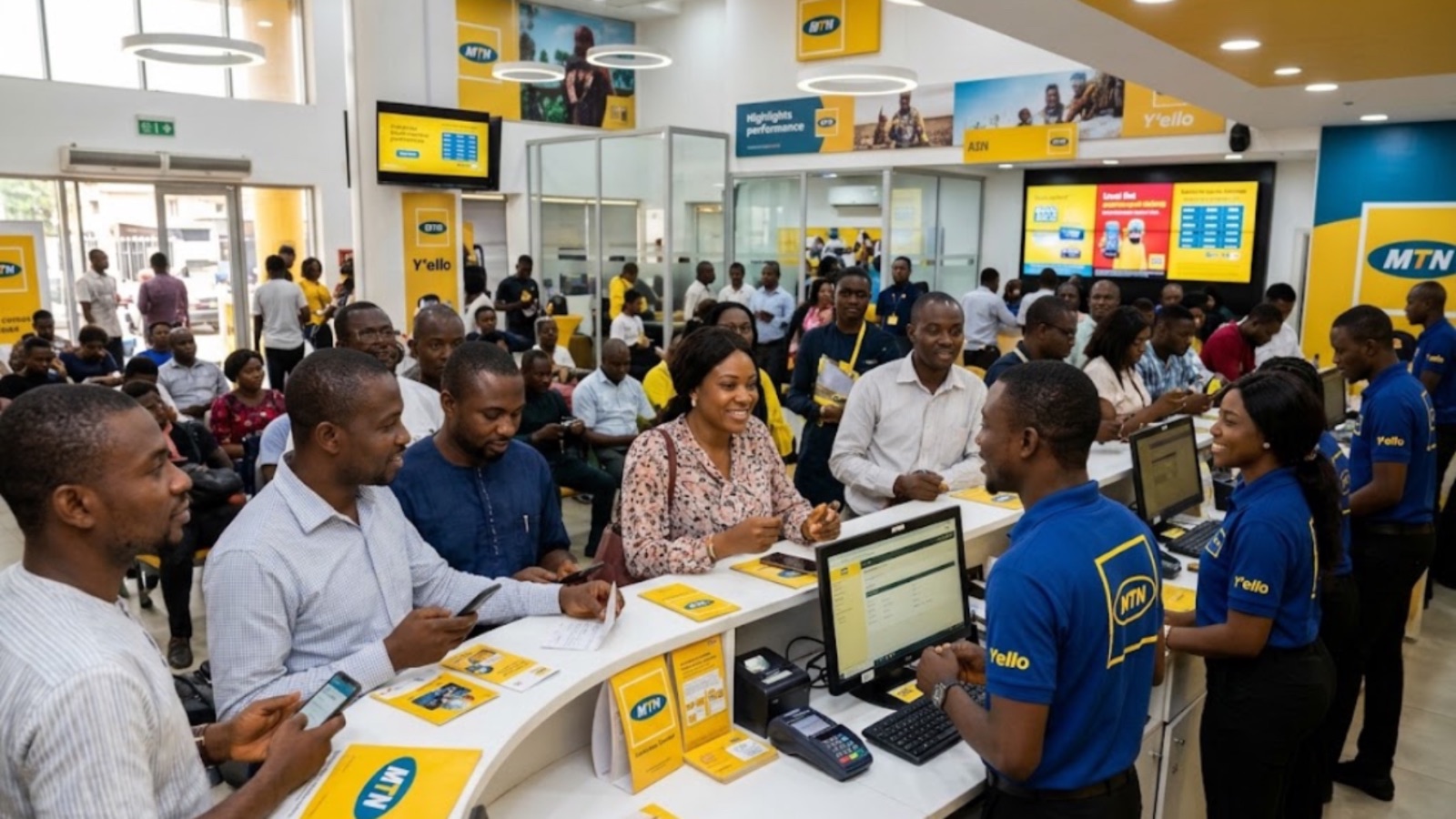
MTN Nigeria revenue growth has emerged as an important part of the telecommunications group’s latest financial update, with MTN Group reporting that service revenue increased by more than 17 per cent in constant-currency terms during the nine months ended September 30, 2026.
Read: Do you need a professional writer in 72 hours? Contact Auxi Chat
The company attributed the group’s performance partly to a recovery in Nigeria and continued strong results in Ghana. The update, reported on November 9, highlights the importance of African markets to the telecommunications operator’s wider business.
READ: Instagram AI age checks Expanded for Teen Accounts Worldwide
Service revenue reflects income generated from services provided to customers. In telecommunications, this can include mobile voice calls, data services and other customer-related offerings. Growth in this measure can indicate stronger demand, improved commercial performance or changes in the services customers use.
Nigeria is a significant market for telecommunications because of its large population, extensive mobile-phone usage and growing dependence on digital services. Consumers rely on mobile networks for communication, banking, education, entertainment and business activities.
Read: Need a professional website in 72 hours? Contact Auxi Chat
For companies operating in the sector, maintaining reliable networks and expanding capacity are important to retaining customers and supporting additional demand.
However, the reported group growth should not be interpreted as an identical growth rate for MTN Nigeria alone. The headline figure covers MTN Group’s service revenue in constant-currency terms, and the available report does not provide a complete breakdown of Nigeria’s individual contribution.
MTN Nigeria revenue growth highlights the importance of data demand
The telecommunications sector plays an increasingly important role in Nigeria’s economic activity. Mobile connectivity supports businesses that use digital payments, online marketplaces, remote communication and other technology-enabled services.
As more consumers rely on internet access for everyday activities, network operators face pressure to improve coverage, increase capacity and maintain service quality. These investments can be expensive, particularly when companies must manage infrastructure costs, electricity requirements, equipment expenses and foreign-exchange exposure.
For customers, the benefits of a stronger telecommunications market depend on more than revenue growth. Network reliability, affordable data plans, coverage in underserved communities and effective customer service all influence the value consumers receive.
Telecommunications companies must also manage operating expenses while investing in infrastructure. Exchange-rate movements can affect the cost of imported equipment and other expenses denominated in foreign currencies. This makes financial performance more complex than headline revenue figures alone may suggest.
The use of constant-currency reporting helps readers understand underlying performance without allowing exchange-rate changes to dominate the comparison. However, it does not remove the need to examine operating costs, profitability, investment spending and cash flow when assessing a company’s overall financial health.
For Nigeria’s wider economy, strong telecommunications performance can support digital commerce, financial services and employment across related industries. Reliable connectivity can help small businesses reach customers, enable workers to access digital tools and allow households to use online services.
READ: Instagram Offers New Incentives to Attract Instagram long-form video creators
Yet the sector’s contribution should also be assessed through the quality and affordability of the services delivered to the public. Higher company revenue does not automatically mean customers are experiencing better coverage or lower costs.
Investors and industry observers will therefore be watching for more detailed financial disclosures showing how Nigeria contributed to group performance, how operating costs developed and whether revenue growth translated into improved profitability.
MTN Group’s latest update suggests that the Nigerian market remains an important contributor to its regional operations. The next stage of assessment will depend on fuller financial results and evidence of how the company is balancing commercial growth with network investment and customer needs.
As Nigeria’s digital economy develops, telecommunications performance will remain relevant to businesses, investors and consumers. The strongest long-term results will depend on sustainable investment, reliable service and the ability to meet growing demand without making connectivity inaccessible to the people who depend on it.
The writer of this article does not claim to know the individuals named personally. The information regarding their backgrounds as published on Global News Arena is based on independent online research.
If you have an article, opinion piece, event or news story you would like published, Global News Arena would love to hear from you.