The Nigerian Communications Commission (NCC) Profile explains the work of the government agency responsible for regulating Nigeria’s communications industry. The NCC helps set the rules that telecommunications companies must follow. Its work covers network services, licences, fair competition and the rights of customers.
READ: SES Leads European 5G Satellite Connectivity Project
Think of the NCC as a referee in a football match. The referee does not play for either team but makes sure everyone follows the rules. In a similar way, the NCC oversees telecommunications operators and works to ensure that the industry operates fairly.
Read: Do you need a professional writer in 72 hours? Contact Auxi Chat
Nigerian Communications Commission (NCC) Profile: How the Agency Began
READ: Senate Summons MTN and Airtel Over Poor Network and Airtime Loss
The Nigerian Communications Commission was established under the Nigerian Communications Act 2003. The Act was signed into law on 8 July 2003 and provided the legal foundation for the Commission’s regulatory powers.
Before telecommunications services expanded across Nigeria, access to mobile communication was limited for many people. As the industry grew, the country needed clear rules to guide companies, encourage investment and protect customers.
Read: Need a professional website in 72 hours? Contact Auxi Chat
The NCC was established as an independent regulator for the communications industry. Its job is not to sell airtime or data to customers. Instead, it oversees the companies that provide these services and checks that they operate within the rules.
Today, the Commission remains an important part of Nigeria’s telecommunications system.
What Does the Nigerian Communications Commission Do?
The NCC performs several duties that affect telecommunications companies and their customers.
One major duty is issuing licences to companies that want to provide regulated communications services. It also monitors licensed operators to ensure they follow the conditions attached to their licences.
The Commission promotes fair competition so that companies can compete without using unfair practices. It also develops rules and standards for telecommunications services and equipment.
Another important responsibility is managing parts of the communications system, including radio frequency spectrum and telephone numbering resources. These resources must be properly organised so that communication services can work effectively.
The NCC also monitors service quality and billing practices. These responsibilities help create a system in which operators are expected to provide services according to applicable regulations.
How the NCC Protects Telecoms Customers
Imagine buying data and discovering that your internet connection is not working properly. Or imagine making a complaint about an unexpected charge on your phone bill and receiving no useful response.
The NCC provides channels through which telecommunications consumers can seek help when problems remain unresolved. Its Consumer Affairs Bureau works to inform customers about their rights and help address complaints.
Customers are generally advised to contact their network provider first and obtain a complaint reference number. If the problem remains unresolved, they can escalate the complaint to the NCC through its official consumer complaint channels.
The Commission can help address complaints involving issues such as poor service, billing disputes and other concerns covered by its regulatory responsibilities.
However, the NCC cannot guarantee that every complaint will have the same outcome. Each case depends on the facts, applicable rules and available evidence.
Why the NCC Matters to Nigeria’s Economy
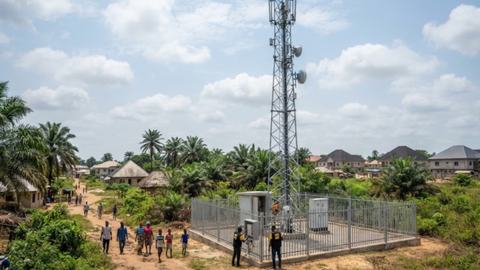
Telecommunications services support many activities across Nigeria. Banks use communication networks to provide digital services, schools rely on internet access for learning, and businesses use mobile phones to reach customers.
The NCC’s regulatory work helps create an environment in which telecommunications companies can operate and compete under established rules.
Fair competition can encourage companies to improve their services and introduce new technology. Consumer protection can also help people understand their rights when they pay for communication services.
The industry supports jobs, investment and other business activities. For this reason, effective telecommunications regulation is important not only to phone users but also to the wider Nigerian economy.
Challenges Facing the Nigerian Communications Commission
Regulating a large and changing industry is not always easy. Telecommunications technology continues to develop, and customers expect faster internet, better coverage and reliable service.
Network operators also face challenges such as the cost of electricity, infrastructure maintenance and expanding coverage to underserved communities. These problems can affect the quality of service customers receive.
READ: MTN Nigeria revenue growth Rises as Nigeria Recovery Supports Growth
The NCC must balance several responsibilities: protecting consumers, encouraging investment, supporting fair competition and ensuring that operators follow the rules.
As more Nigerians depend on digital services, effective monitoring, clear regulations and accessible complaint channels will remain important.
Why the Nigerian Communications Commission (NCC) Profile Matters
The Nigerian Communications Commission (NCC) Profile helps readers understand the agency behind many of the rules that govern telecommunications in Nigeria.
For students, business owners, job seekers and ordinary phone users, knowing the NCC’s role makes it easier to understand who regulates mobile networks and where unresolved complaints may be taken.
The Commission does not provide the same services as MTN Nigeria or Airtel Nigeria. Those companies provide telecommunications services, while the NCC regulates the industry.
As Nigeria’s digital economy grows, the NCC will continue to have an important role in promoting fair competition, encouraging reliable communications and protecting the interests of consumers.
Are you interested in learning how to write professionally and earn money as a writer and content creator? Contact us today to start your writing journey immediately.
Need a professional website in 72 hours? Contact us
Do you need a professional writer in 72 hours? Contact us
If you have an article, guest story, event or news tip you would like published, Global News Arena would love to hear from you.