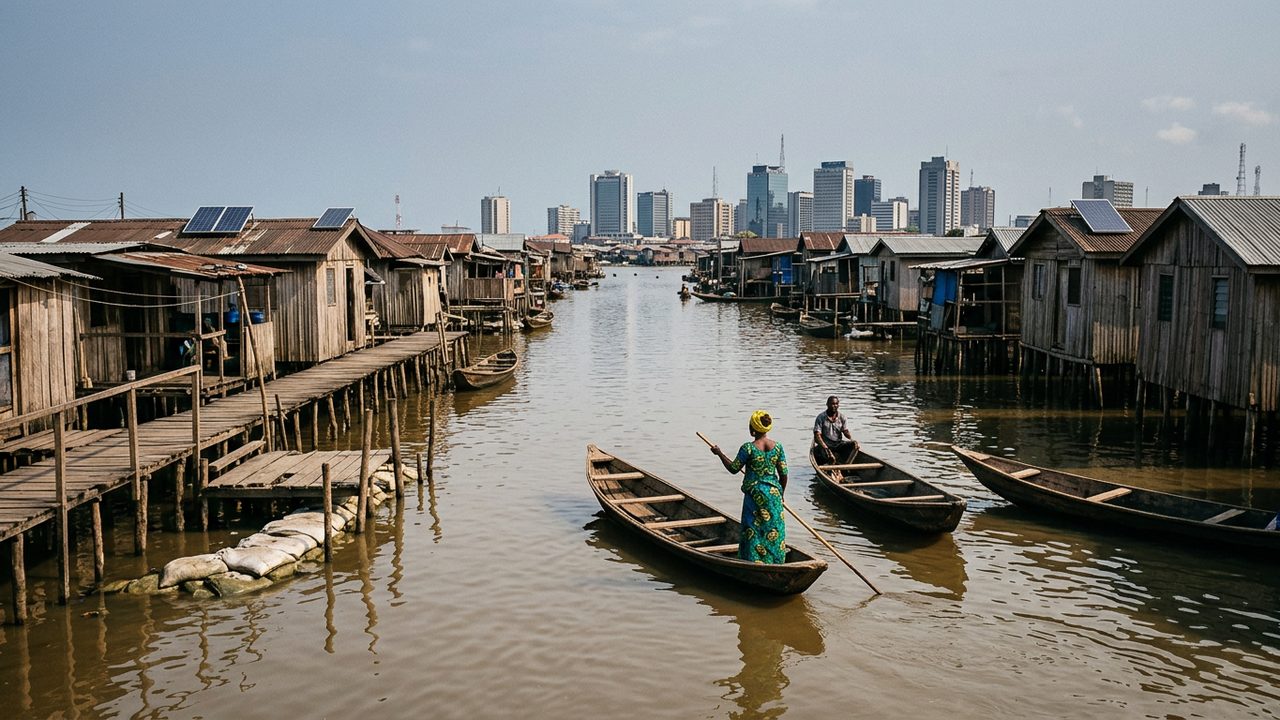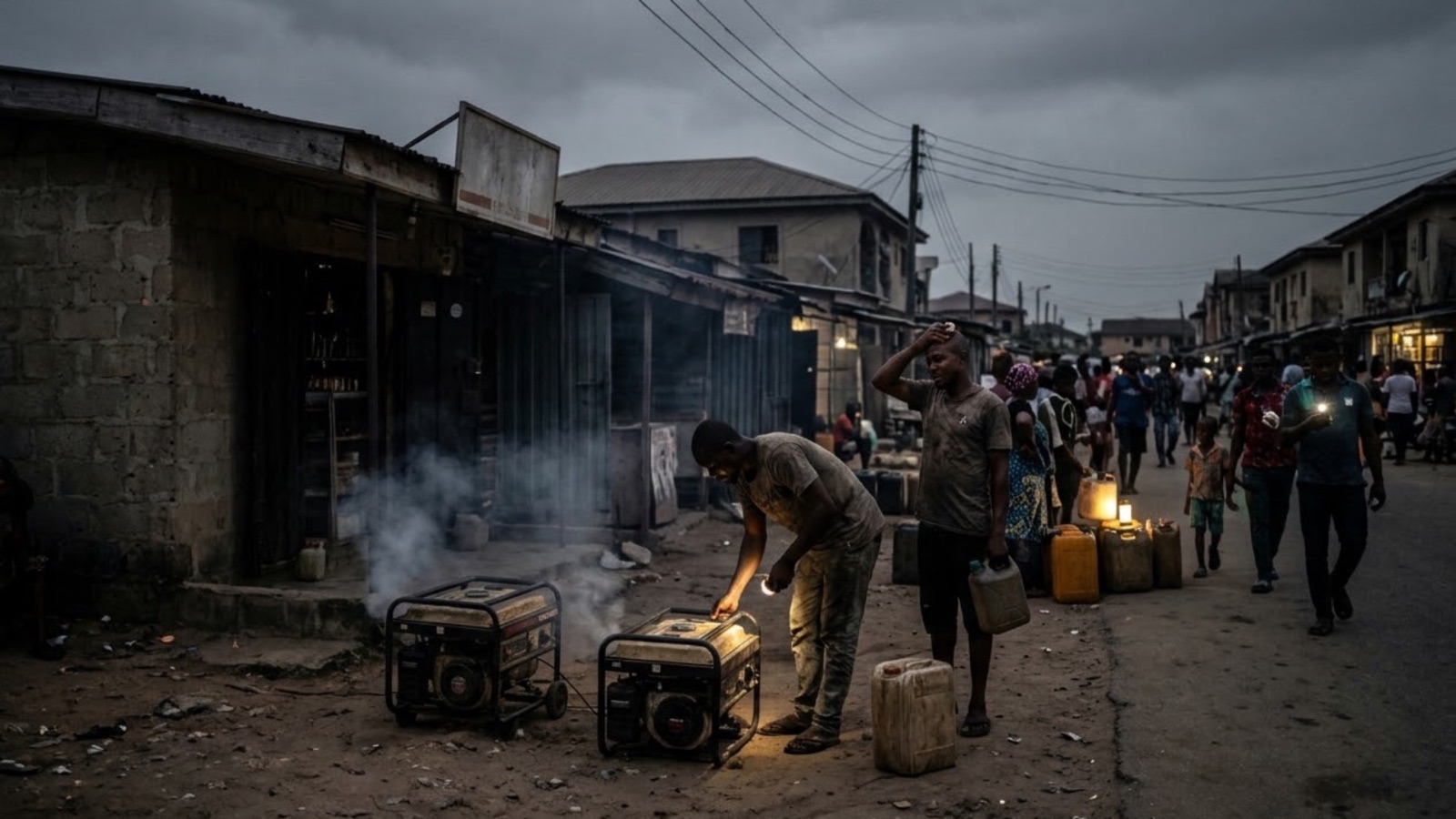
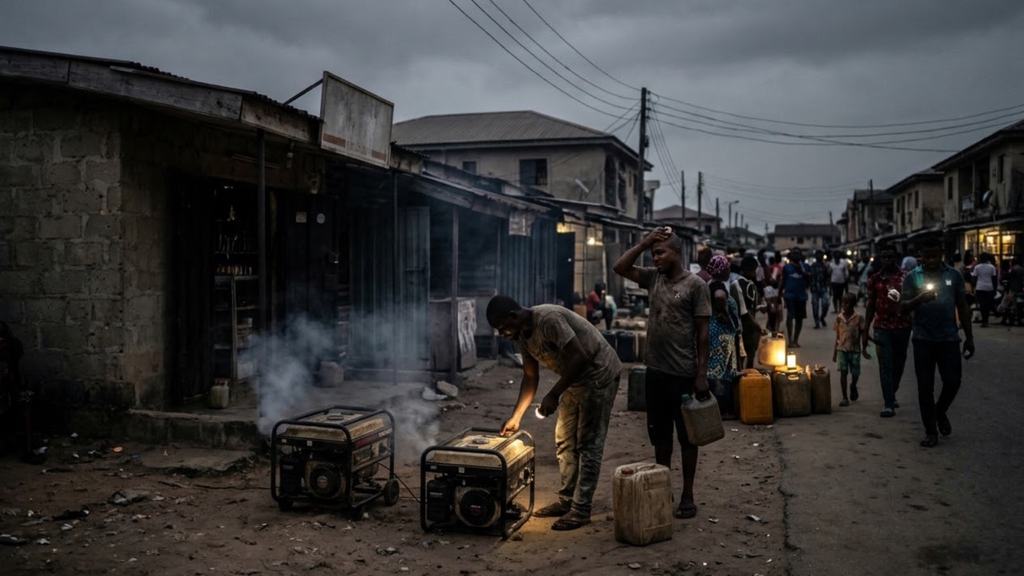
I find it difficult to discuss Nigeria’s economic challenges without returning to Power outages in Nigeria. For a household, an outage can interrupt ordinary routines. For a business, it can mean additional fuel costs, delayed work and uncertainty about whether operations can continue as planned.
READ: Amazon Isn't Just Growing. It's Rewriting the Rules You're Competing Under.
Nigeria’s latest electricity disruption has been linked to inadequate gas supply to thermal power stations, lower water inflows affecting hydroelectric generation and maintenance or operational constraints across parts of the power system. A report published on 6 November 2026 identified Lagos, Abuja, Ogun, Kwara and Oyo among the affected areas.
Read: Do you need a professional writer in 72 hours? Contact Auxi Chat
The Minister of Power, Joseph Tegbe, said preliminary assessments pointed to maintenance and operational issues rather than a major or systemic grid failure. The Nigerian Independent System Operator also identified gas constraints and reduced water inflows as factors affecting available generation.
READ: Joke Silva on AI: Why Creatives Still Need to Master Their Craft.
The Ministry did not provide a specific timeline for a full return to normal supply in the report.
Why Power Outages in Nigeria Matter to Businesses
Read: Need a professional website in 72 hours? Contact Auxi Chat
I see unreliable electricity as more than an inconvenience because power is an input into almost every part of modern commercial activity.
A manufacturer needs electricity to operate equipment. A cold-storage business needs it to protect products. A restaurant may need it for refrigeration, lighting and food preparation. Even an office that provides digital services needs a reliable source of power to maintain its systems and serve customers.
When public supply becomes unreliable, some businesses switch to generators, inverters or other backup arrangements. These alternatives can add fuel, maintenance and equipment expenses that were not part of the original operating plan.
A business may absorb those costs, reduce its operating hours or pass part of the increase to customers. Each option comes with a trade-off.
Gas and Hydropower Constraints Reduce Available Generation
Thermal power stations depend on adequate gas supply to generate electricity. When fuel availability declines, affected stations may be unable to operate at their available capacity.
Hydroelectric generation can also be affected by water inflows into reservoirs. When inflows fall, the amount of electricity available from those facilities may decline, depending on operating conditions.
The latest report cited a four per cent fall in average daily gas utilisation by power plants to 518 million standard cubic feet per day in September 2026, compared with August. It also reported a decline in domestic natural gas supply.
These figures help explain the pressure on gas-fired generation, although they should not be treated as a complete explanation for every outage in every location.
Electricity delivery depends on multiple stages: generation, transmission and distribution. A problem at one stage can affect the amount of power customers ultimately receive.
The Cost Reaches Households and Consumers
When businesses spend more to keep operating, they may have to reconsider prices, staffing, production schedules and investment plans.
Households also face difficult choices when electricity interruptions lead to additional spending on alternative power. Money spent on fuel or backup equipment may leave less available for food, transport, education and other needs.
The burden varies from one household or business to another, but repeated disruptions make financial planning harder.
READ: How to Start a TikTok Account With Zero Followers in 2026.
I believe the economic test is whether consumers can depend on electricity enough to organise their lives and businesses without constantly preparing for the next interruption.
What Must Happen Next?
The immediate priority is to address the identified supply and maintenance constraints and provide clear updates about restoration efforts. The Ministry has said it is engaging relevant power-sector institutions to resolve the problems.
Longer-term improvement requires dependable gas supply, effective maintenance, reliable generation and transmission infrastructure, and distribution networks capable of delivering available electricity to customers.
No single announcement can resolve all of those challenges. Progress needs to be measured by sustained supply, reduced interruptions and improved reliability for homes and businesses.
The latest disruption is another reminder that electricity is directly connected to productivity and the cost of doing business in Nigeria. The real outcome to watch is not only whether supply improves in the coming days, but whether the system becomes more dependable over time.
The writer of this article does not claim to know the individuals named personally. The information regarding their backgrounds as published on Global News Arena is based on independent online research.
If you have an article, opinion piece, event or news story you would like published, Global News Arena would love to hear from you.