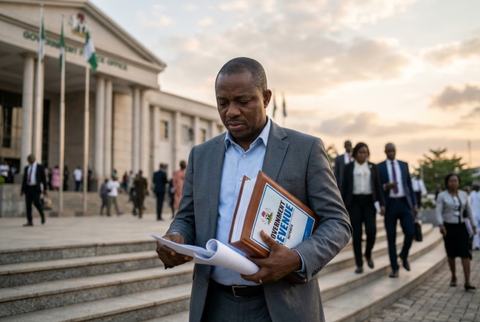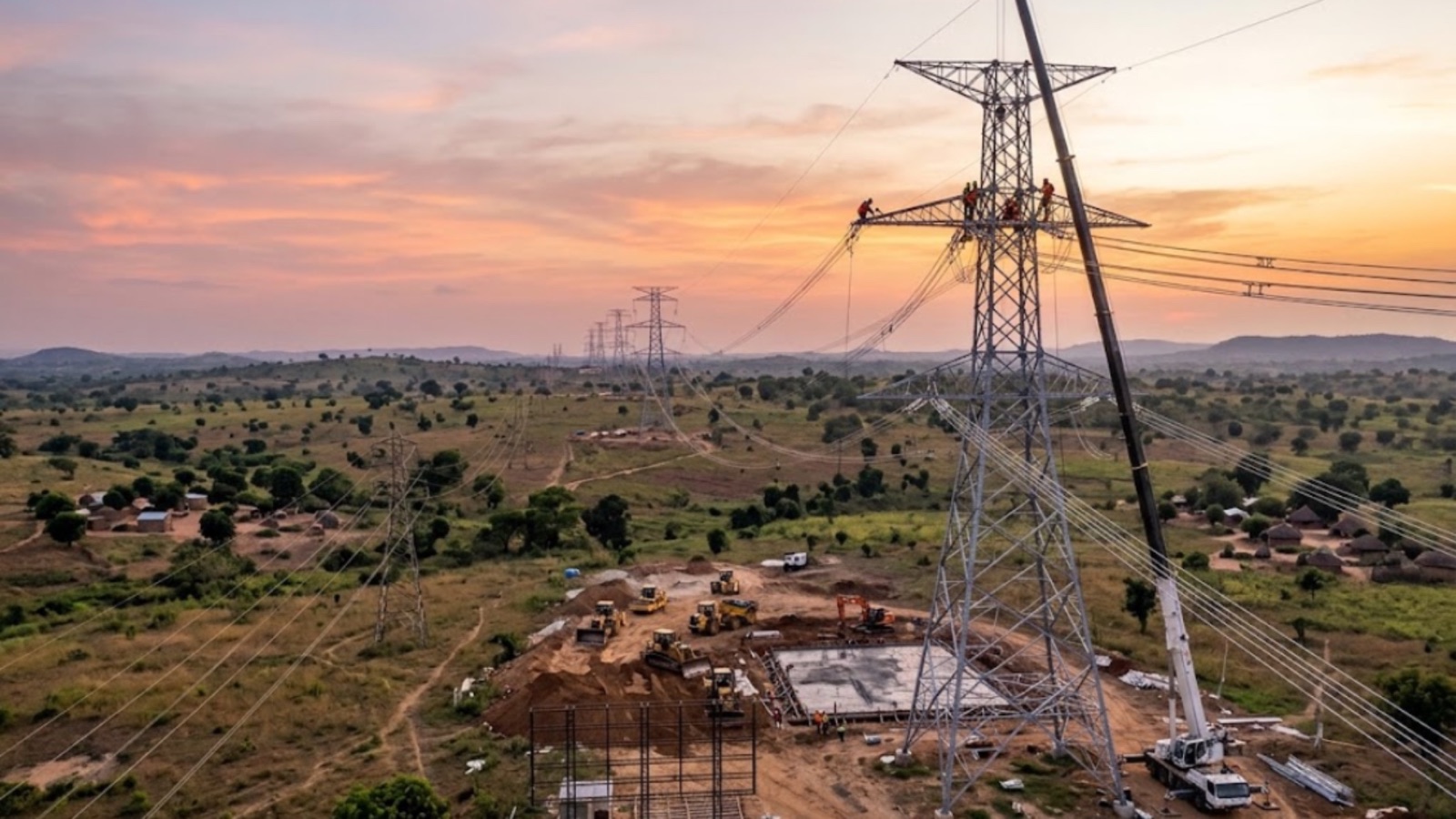
The Federal Government has unveiled a Nigeria super grid plan valued at $2 billion, with the proposed infrastructure project designed to strengthen electricity transmission capacity and help address persistent power supply challenges across the country.
The plan, reported on Monday, November 9, aims to increase Nigeria's electricity transmission capacity to at least 19,000 megawatts. The proposed East-West Super Grid is intended to improve the country's ability to move electricity through its national power network.
Read: Do you need a professional writer in 72 hours? Contact Auxi Chat
The announcement comes as electricity reliability remains a major concern for households, manufacturers, small businesses and service providers that depend on consistent power to operate.
READ: Instagram AI age checks Expanded for Teen Accounts Worldwide
Nigeria super grid plan targets transmission expansion
Electricity transmission is a critical link between power generation and the distribution networks that deliver electricity to consumers. Even when power stations generate electricity, weaknesses or constraints in the transmission system can prevent sufficient supply from reaching the places that need it.
Read: Need a professional website in 72 hours? Contact Auxi Chat
The proposed super grid is intended to expand this capacity and strengthen the movement of electricity across the country. Its success, however, will depend on the project's design, financing, construction schedule and ability to address existing bottlenecks.
A target of 19,000 megawatts represents an important infrastructure ambition, but transmission capacity should not be confused with electricity actually generated or supplied to homes. The final outcome will depend on the performance of the entire power system.
Why reliable electricity matters to businesses
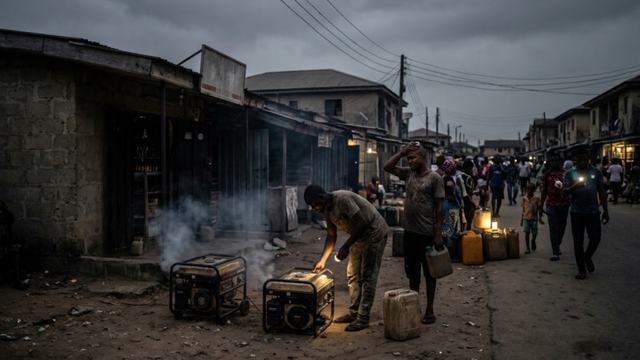
Unreliable electricity places additional financial pressure on Nigerian businesses. Manufacturers may need generators to keep equipment running, while retailers and food businesses often rely on backup power to protect goods and maintain operations.
These extra expenses can affect production costs, prices and investment decisions. Smaller enterprises may be particularly vulnerable because they have fewer resources to absorb the cost of fuel, generator maintenance or alternative electricity systems.
Households face similar difficulties when electricity interruptions force them to spend more on alternative sources of power. The effect can extend to education, refrigeration, home-based businesses and other daily activities.
Global News Arena has previously examined these pressures in its report on power outages in Nigeria, where gas supply constraints and lower hydropower output were identified among the challenges affecting available generation.
Funding and implementation will determine the outcome
Although the proposed $2 billion investment has drawn attention, important implementation details will determine its practical value. These include how the project will be financed, which transmission corridors will receive priority, when construction will begin and how progress will be measured.
The government will also need to ensure that transmission expansion works alongside improvements in electricity generation and distribution. An upgraded transmission network cannot independently resolve shortages caused by inadequate fuel supply, underperforming power stations or weaknesses in local distribution systems.
Clear public reporting will therefore be essential. Nigerians need information about procurement, funding arrangements, delivery milestones and the expected benefits of the investment.
READ: Instagram Offers New Incentives to Attract Instagram long-form video creators
Nigerians will judge the plan by actual power supply
For households and businesses, the central question is whether the project will lead to fewer interruptions and more dependable electricity. Infrastructure announcements can establish policy direction, but sustained improvements require effective delivery and maintenance.
The super grid proposal signals an intention to strengthen a crucial part of Nigeria's electricity system. Its longer-term importance will depend on whether the government can convert the proposed investment into a functioning network that supports economic activity.
Until implementation details and measurable results emerge, the 19,000-megawatt target should be understood as a stated objective rather than a guarantee of the electricity Nigerians will receive.
The writer of this article does not claim to know the individuals named personally. The information regarding their backgrounds as published on Global News Arena is based on independent online research.
If you have an article, opinion piece, event or news story you would like published, Global News Arena would love to hear from you.