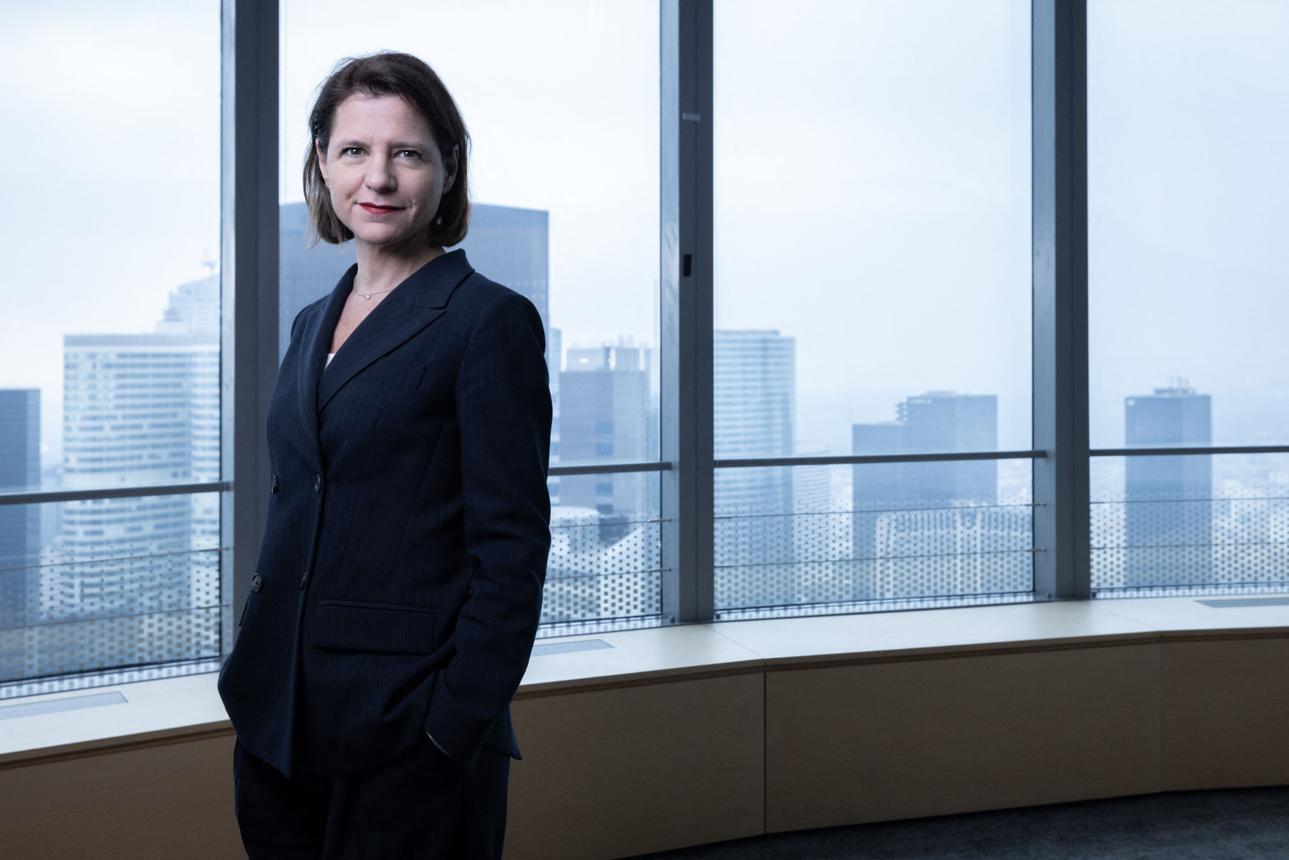
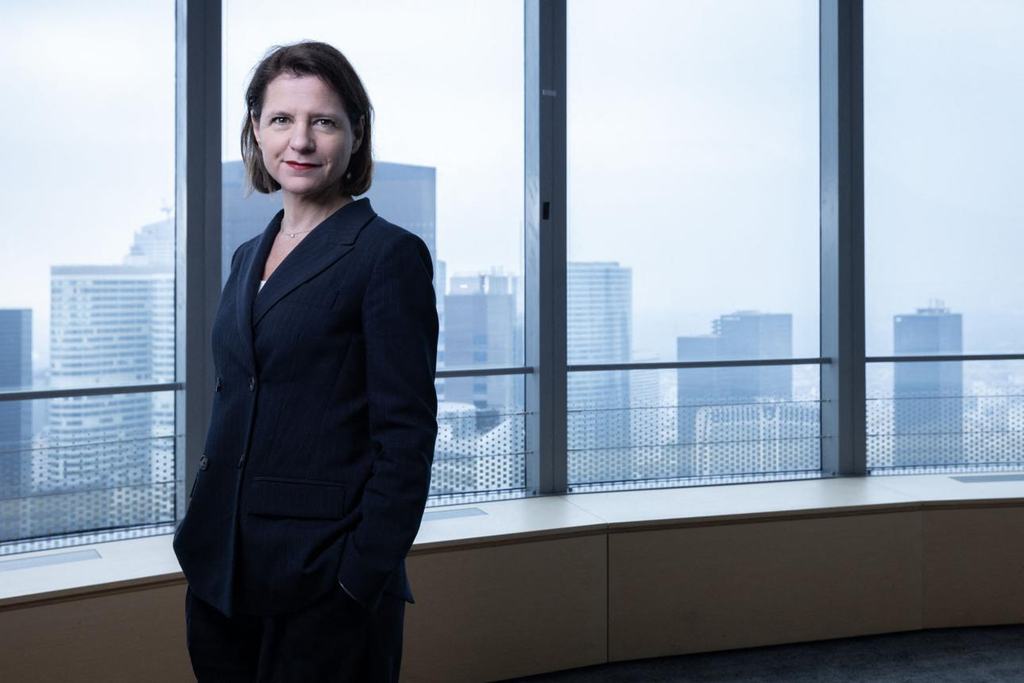
The Engie nationalisation debate has intensified in France after the company's chief executive, Catherine MacGregor, rejected calls to return the energy group to full state ownership.
READ: Vestas Chief Calls for Tougher EU Rules on Chinese Wind Software
MacGregor said Engie does not need to be nationalised to continue investing in France, developing renewable energy and maintaining its energy supply operations.
Read: Do you need a professional writer in 72 hours? Contact Auxi Chat
Her comments followed a dinner involving French business leaders and Jean-Luc Mélenchon, a prominent left-wing political figure who has proposed nationalising the energy company.
READ: French Robotics Startup Genesis AI Raises $500 Million at $3.5 Billion Valuation
The discussion comes as France prepares for its next presidential election, with energy ownership and the country's economic direction becoming important political issues.
Engie Nationalisation Debate: What the CEO Said
Read: Need a professional website in 72 hours? Contact Auxi Chat
Speaking to France Inter on Wednesday, November 18, MacGregor said the dinner had provided an opportunity for dialogue despite disagreements over Mélenchon's proposals.
She argued that Engie could continue investing and developing its operations without returning to complete government ownership.
The French state currently holds approximately 23 per cent of Engie, having previously exercised full ownership of the company.
MacGregor's position reflects the company's preference to maintain its current ownership structure while continuing to invest in energy infrastructure and renewable projects.
Her comments also underline the difference between government participation in a company and complete nationalisation.
Why Mélenchon Wants Engie Nationalised
Mélenchon, who leads the France Unbowed political movement, has proposed bringing Engie back under full state ownership.
Supporters of nationalisation generally argue that important energy infrastructure should be controlled by the government because electricity and energy supplies are essential to households and businesses.
The proposal is connected to wider debates about the role of the state in managing strategic industries, controlling energy prices and supporting the transition to renewable power.
However, opponents of nationalisation argue that private companies can attract investment, develop projects and operate efficiently without being fully owned by the government.
The disagreement over Engie therefore reflects a wider economic debate about how France should organise its energy sector.
French Business Leaders Join the Discussion
The dinner also brought together several prominent figures from French business.
Among those reported to have attended were TotalEnergies chief executive Patrick Pouyanné, LVMH chairman Bernard Arnault and Renault chairman Jean-Dominique Senard.
The gathering provided an opportunity for political and business figures to discuss economic priorities and areas where compromise may be possible.
Mélenchon said he attended because he had been invited and wanted to understand whether disagreements between business leaders and his political movement could be addressed.
The meeting did not establish that the business leaders had accepted his proposals.
What the Debate Could Mean for France's Energy Sector
The future of Engie's ownership could influence discussions about investment, energy security and the development of renewable power in France.
READ: JPMorgan Names Bregje de Best as Next Chief Financial Officer
The company operates in a sector that requires significant long-term investment in infrastructure, electricity networks and energy production.
A change in ownership would raise questions about government spending, corporate management and how future projects would be financed.
For now, MacGregor's comments show that Engie's management does not believe full nationalisation is necessary for the company's investment plans.
Global News Arena has previously examined how large private-sector investments can support Nigerian infrastructure in its report on Dangote's road investment plans.
The Engie nationalisation debate is likely to remain part of France's wider political and economic discussions as the country approaches its next presidential election.
Are you interested in learning how to write professionally and earn money as a writer and content creator? Contact us today to start your writing journey immediately.
Need a professional website in 72 hours? Contact us
Do you need a professional writer in 72 hours? Contact us
If you have an article, guest story, event or news tip you would like published, Global News Arena would love to hear from you.