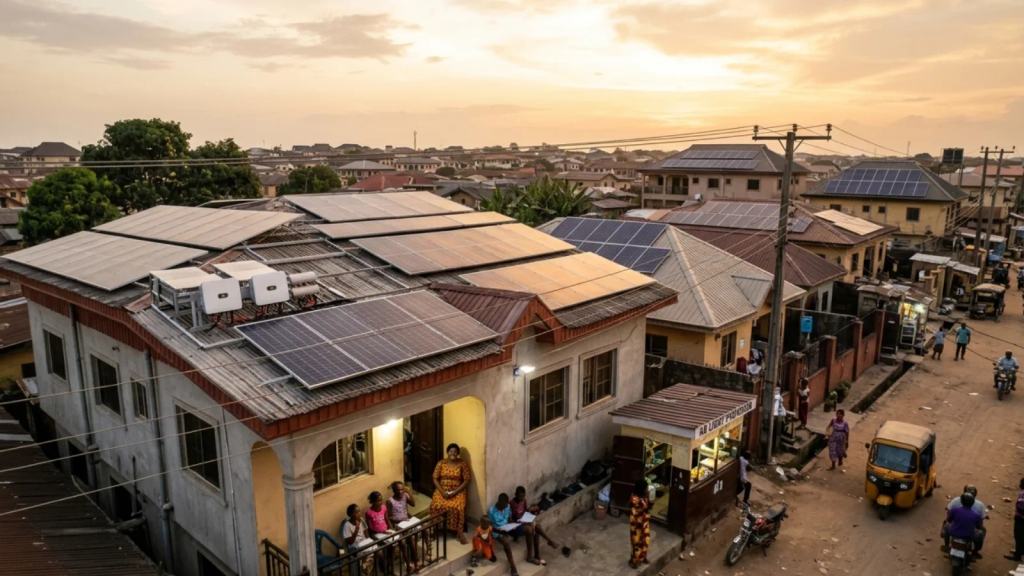
Nigeria rooftop solar plan efforts have received a boost after Nigeria joined several countries in supporting a global declaration to increase the number of homes using rooftop solar power by 2030. The announcement was made during the COP31 climate talks in Antalya, Turkey, where countries discussed ways to expand clean energy and improve access to electricity.
READ: Nearly 64,000 Nigerians Flee Violence Into Niger
The plan aims to increase the number of homes worldwide using rooftop solar from about 150 million to at least 300 million by 2030.
Read: Do you need a professional writer in 72 hours? Contact Auxi Chat
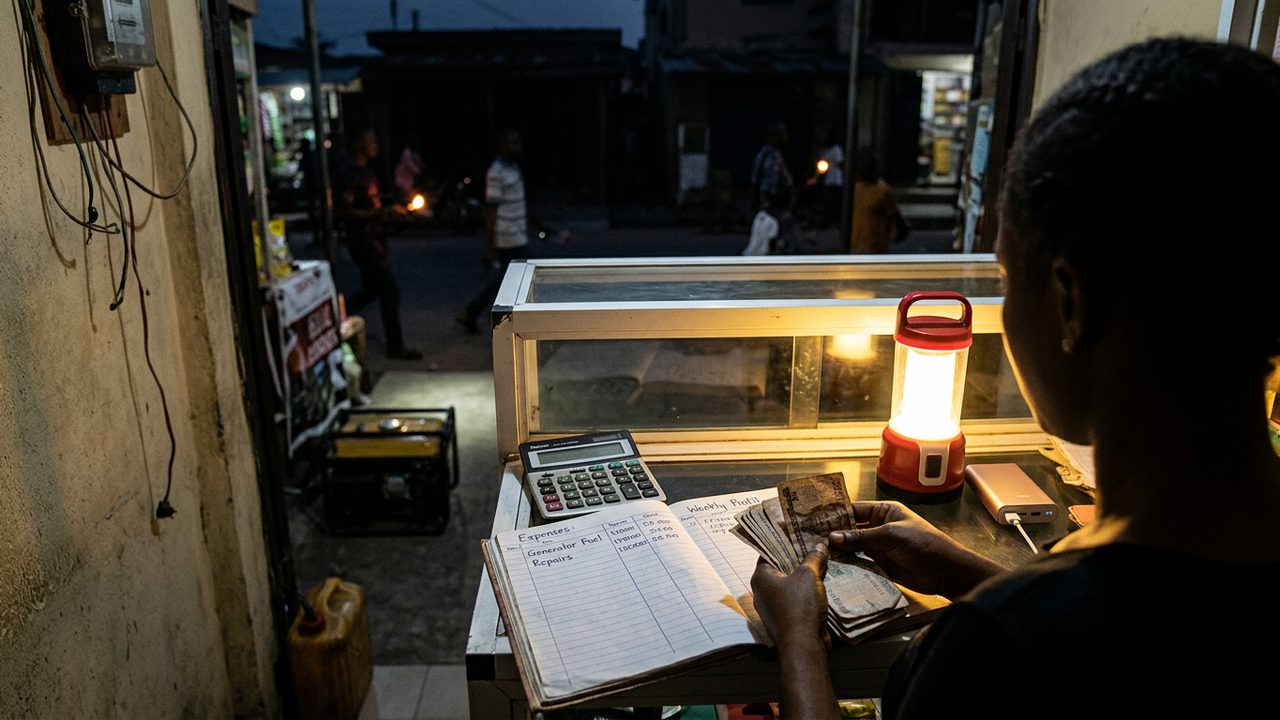
For Nigerian families who struggle with unreliable electricity, solar power could offer another way to keep lights on, charge phones and run essential household equipment. However, the global declaration is voluntary, meaning countries must take further steps to turn the promise into practical results.
READ: INEC Removes 1.6 Million Names From Voter List
What The Nigeria Rooftop Solar Plan Means
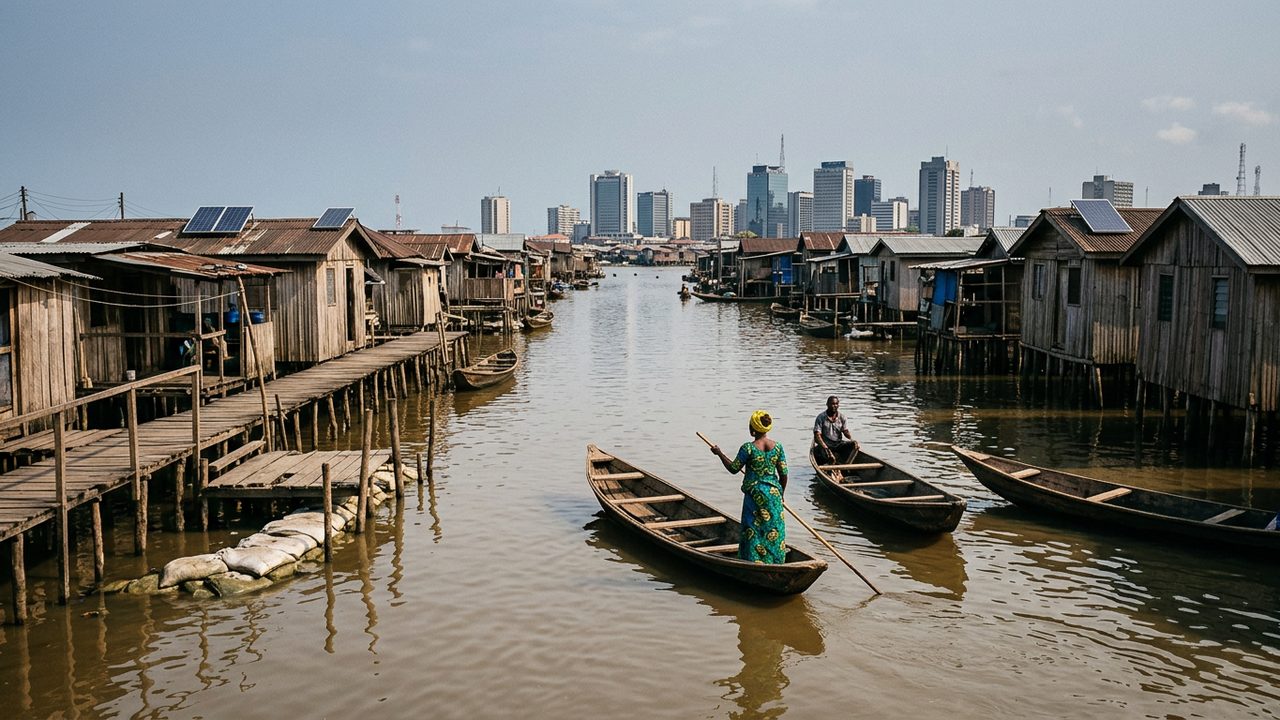
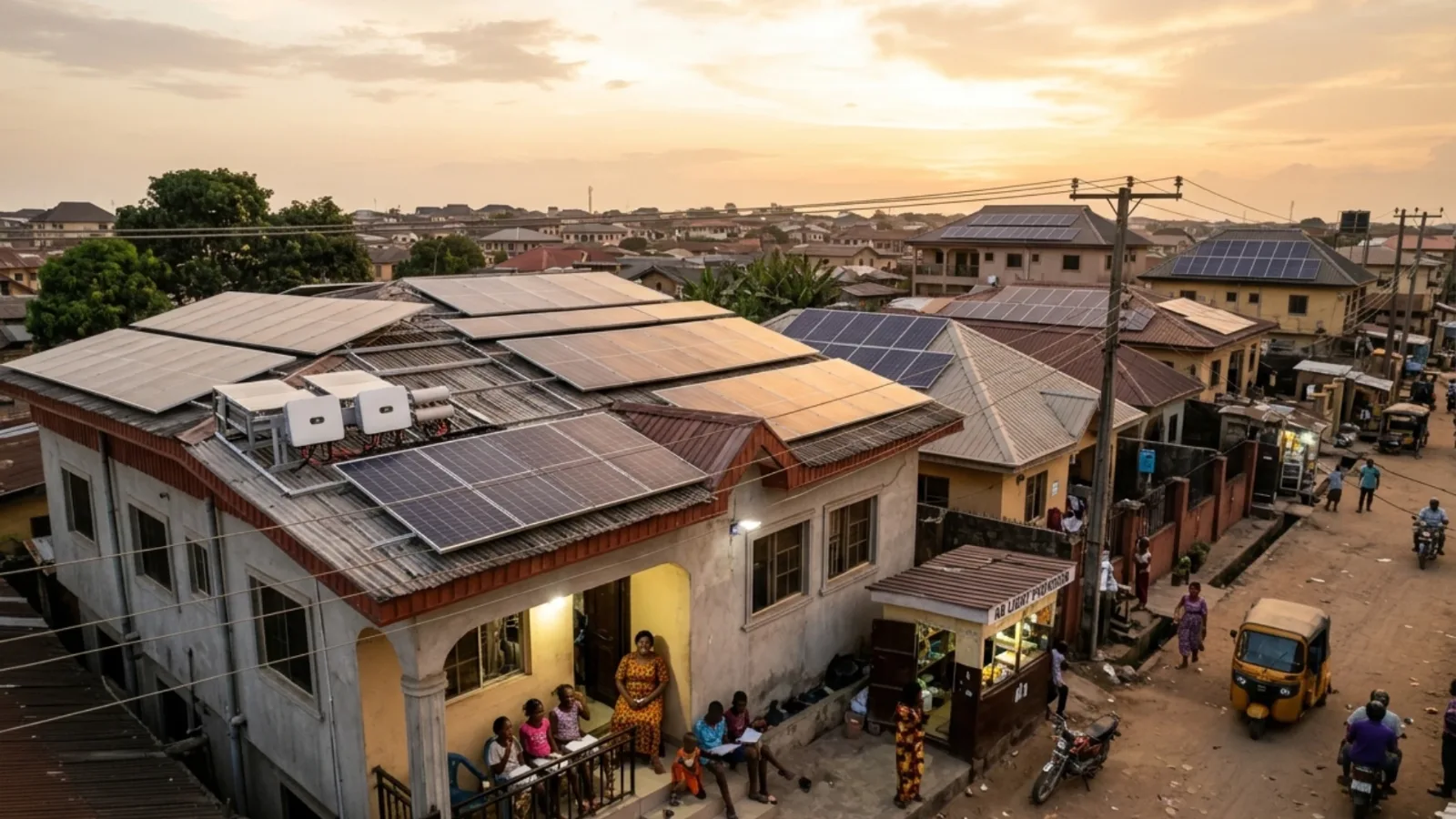
Rooftop solar systems use panels placed on the roofs of homes and buildings to turn sunlight into electricity. Depending on the system, the electricity can power lights, fans, televisions and other appliances.
Read: Need a professional website in 72 hours? Contact Auxi Chat
Some systems also use batteries to store electricity for later, including at night or when sunlight is limited.
The declaration supported at COP31 aims to double the number of homes worldwide using rooftop solar by the end of the decade. Australia, Bangladesh, Kenya, Nigeria and Vanuatu were among the countries that endorsed it, while representatives from other countries and Indonesia's state-owned power company also backed the initiative.
For Nigeria, the plan fits into wider discussions about how to improve electricity access and expand renewable energy. But an international pledge alone will not automatically install solar panels on Nigerian homes.
Households need affordable equipment, reliable installers and clear information about the cost and maintenance of solar systems.
How Solar Power Could Help Nigerian Families
Many households want electricity that is more reliable and predictable. Solar power can help some families reduce their dependence on other sources of electricity, depending on their location, energy needs and the size of their system.
Small solar systems may provide enough power for lights, phones and a few basic devices. Larger systems can support more appliances, but they generally cost more to buy and install.
The cost of batteries is also important. Solar panels produce electricity when sunlight is available, while batteries can store some of that power for use later. A household that wants to use several appliances at night may need a larger and more expensive system.
For small businesses, solar power may help keep essential equipment running and reduce disruptions caused by power cuts. Shops, barbers, salons and other businesses could benefit where the system is suitable and the costs make sense.
However, solar energy is not free simply because sunlight costs nothing. Families still need to pay for equipment, installation, repairs and replacement parts.
Why The Global Solar Promise May Be Difficult
The declaration is voluntary, and achieving its goal will require action from governments, businesses and energy providers.
The Associated Press reported that the plan will need supportive national policies, consumer assistance, trained installers, stronger electricity grids and expanded battery storage.
These requirements matter because solar systems must be safe, properly installed and suitable for the buildings using them.
Households may also struggle with the initial cost of equipment. Financing arrangements, responsible payment plans and targeted support could help more people consider solar power, although the best approach will differ from country to country.
There is also a need to train workers who can install and maintain systems correctly. Poor installation can create safety problems and leave families paying for equipment that does not perform as expected.
Governments must therefore look beyond the number of panels installed. They need to consider whether systems work reliably, whether households can afford them and whether people can access repairs when problems arise.
What Nigeria Needs To Make Solar Power Work
For the Nigeria rooftop solar plan to deliver meaningful results, the country needs policies that encourage investment while protecting consumers.
This includes clear standards for solar equipment, access to qualified installers, better information about system costs and financing options that do not push households into unaffordable debt.
Businesses may also have a role in making suitable solar products available at different prices. However, consumers should compare warranties, battery capacity, installation costs and the equipment's ability to meet their actual electricity needs.
READ: Explainer: Why Nigeria's Electricity Problem Is a Financial Problem
The government must also consider how rooftop systems interact with the wider electricity network. Solar power can help households, but expanding access across the country will require a mix of energy sources, infrastructure investment and reliable planning.
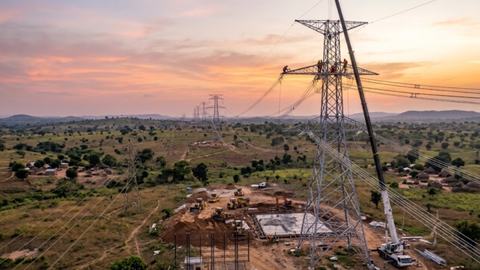
Global News Arena has previously reported on the Federal Government's proposed $2 billion super grid plan, which focuses on expanding Nigeria's electricity transmission capacity.
Can The World Reach The 2030 Target
Doubling the number of homes using rooftop solar by 2030 is an ambitious goal. It will require millions of households to adopt the technology while governments and energy companies address the practical barriers that prevent wider use.
The declaration signals support for expanding clean energy, but it does not guarantee that every country will reach the target. Progress will depend on investment, national policies, consumer affordability and the availability of equipment and trained workers.
For Nigeria, the opportunity is to turn support for the global plan into solutions that fit local needs. Families need electricity that is reliable and affordable, while businesses need power they can depend on to serve customers.
The real test will not be how many countries sign a declaration. It will be whether more homes gain access to useful, dependable electricity before 2030.
Are you interested in learning how to write professionally and earn money as a writer and content creator? Contact Auxi Chat today to start your writing journey immediately.
Need a professional website in 72 hours? Contact Auxi Chat
If you have an article, opinion piece, event or news story you would like published, Global News Arena would love to hear from you.