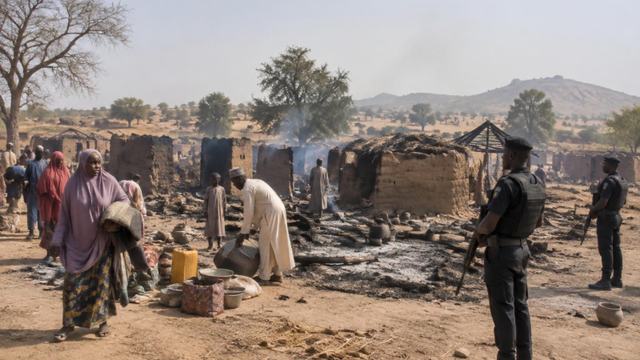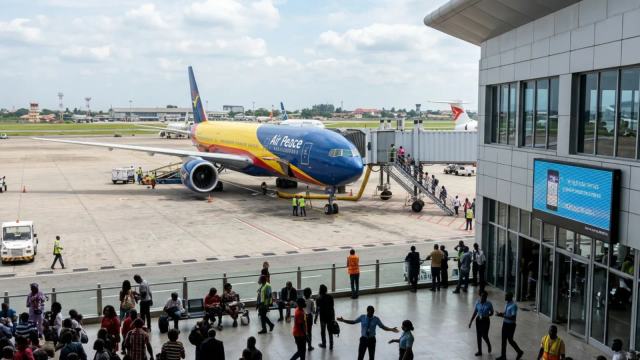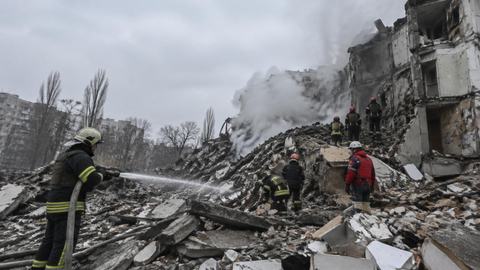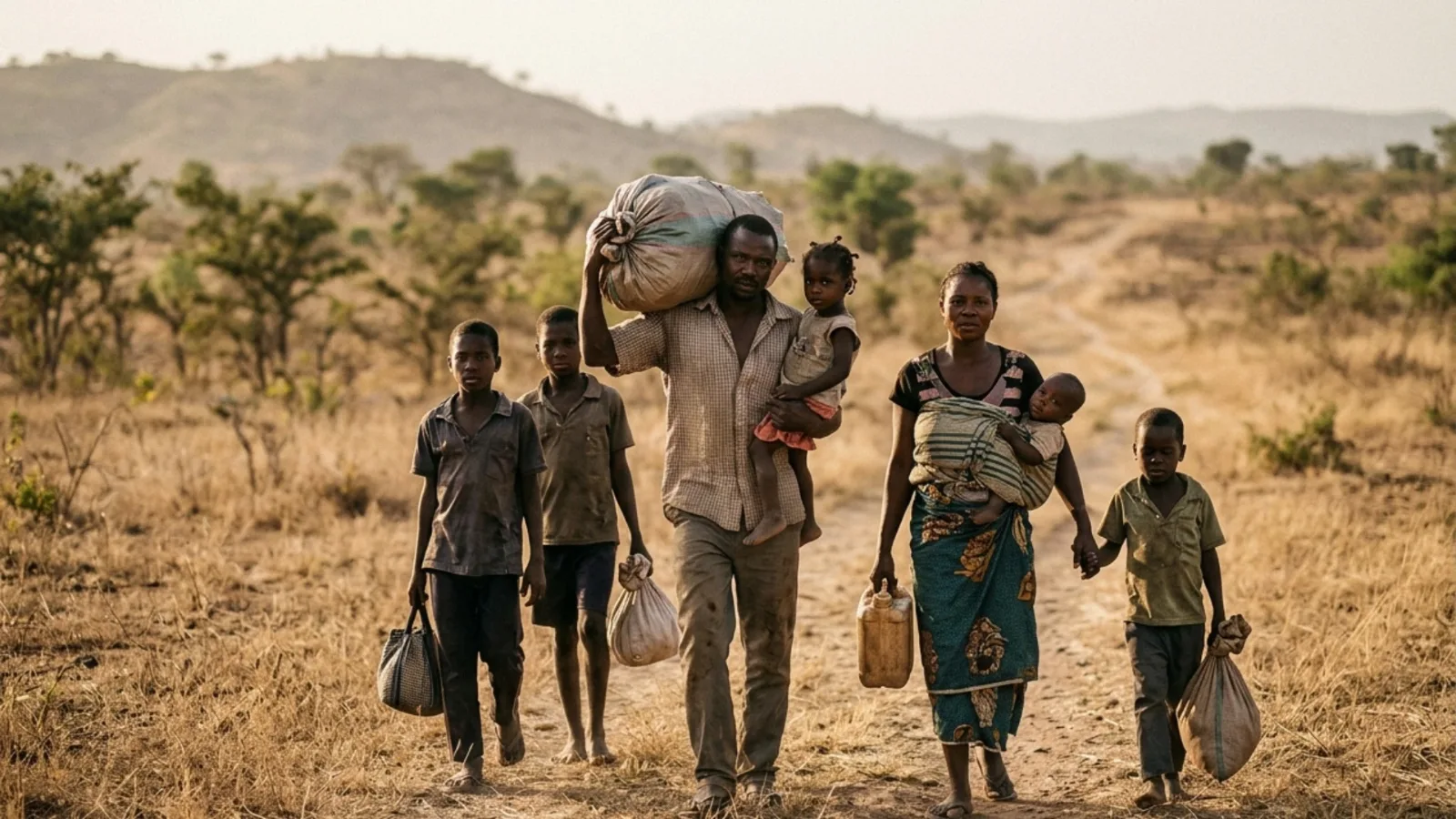
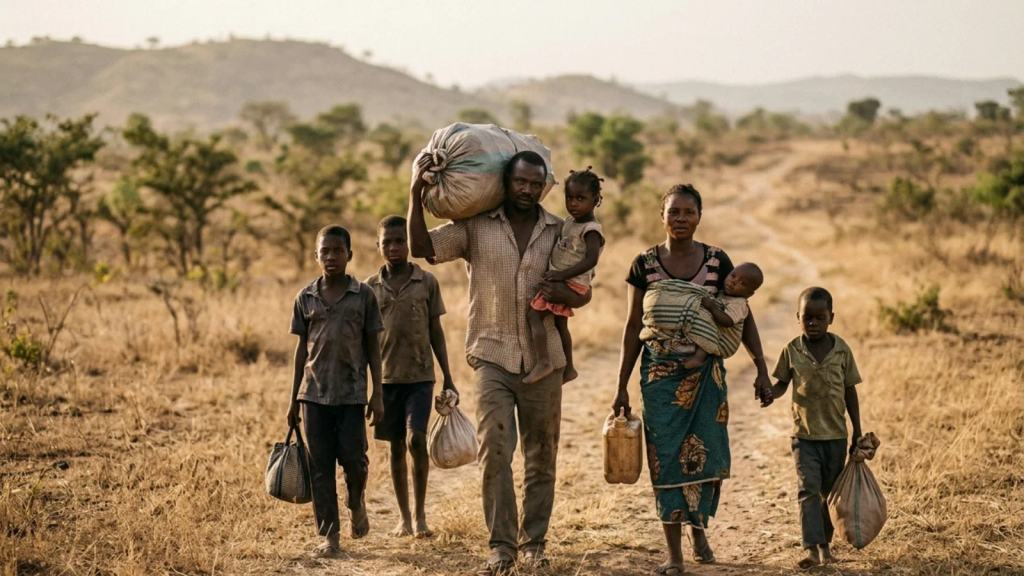
Nigerians flee violence into Niger in growing numbers, with nearly 64,000 people crossing the border this year to escape attacks and insecurity in northern Nigeria. The United Nations refugee agency, UNHCR, says the new arrivals are putting more pressure on communities that are already caring for large numbers of displaced people.
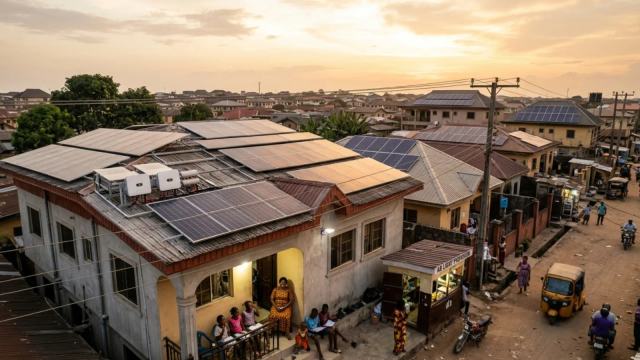
READ: Nigeria Joins Plan To Double Rooftop Solar Homes By 2030
For families forced to leave their homes, crossing a border does not mean that their problems are over. Many arrive without enough food, clean water, safe shelter or access to basic services.
Read: Do you need a professional writer in 72 hours? Contact Auxi Chat
The crisis also shows how violence in one country can affect its neighbours, especially when families have to leave everything behind to find safety.
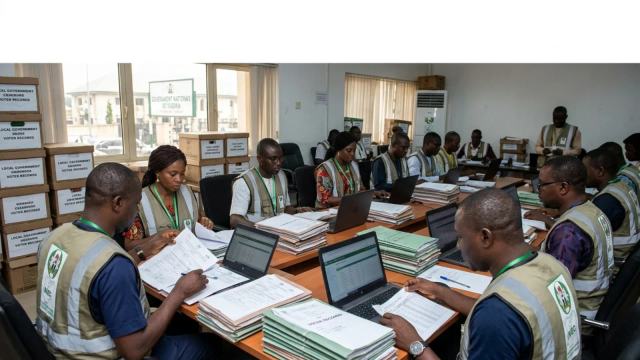
READ: INEC Removes 1.6 Million Names From Voter List
Why Nigerians Flee Violence Into Niger
According to UNHCR figures reported by Reuters on November 10, nearly 64,000 people have fled violence in northern Nigeria for Niger this year. Several hundred others have also sought refuge in Benin.
Read: Need a professional website in 72 hours? Contact Auxi Chat
The violence involves attacks by armed groups, including Boko Haram and Islamic State West Africa Province, as well as criminal gangs. Insecurity and climate pressures have added to the difficulties facing communities in the affected areas.
Many of the new arrivals have settled in Niger's border regions of Diffa and Tahoua. Diffa alone has received more than 23,000 people, and more than two-thirds of those arrivals are children, according to the report.
Children are especially vulnerable during displacement. They may lose access to school, regular meals, medical care and the safe surroundings they need to grow.
Families Struggle To Find Food And Shelter
Leaving home suddenly can turn ordinary life upside down. Families may have to travel long distances, abandon their belongings and depend on help from strangers or aid organisations.
The humanitarian needs reported in Niger include food, clean water, shelter and essential services. Some displaced families are living in makeshift shelters, while women have reportedly had to travel long distances to collect water.
Poor sanitation can increase the risk of illness, particularly in crowded settlements where people have limited access to clean water and healthcare. Aid workers have also reported concerns about malnutrition and respiratory infections.
The challenges are made worse when people arrive in areas that already have limited resources. Local families may also be struggling with poverty, drought or insecurity, making it difficult for host communities to support new arrivals without additional assistance.
Children Face A Greater Risk
The large number of children among the new arrivals makes the crisis especially worrying.
A child who leaves home because of violence may lose access to school and healthcare at the same time. Younger children also depend heavily on adults for food, protection and emotional support.
Families living in temporary shelters may not know when they can safely return home. Some may have lost relatives or been separated from loved ones during their journey.
Humanitarian assistance can help provide food, clean water, shelter and medical care while families try to rebuild their lives. But support must reach people who need it, including those who have not yet been formally registered as refugees.
Reuters reported that only around 5 per cent of this year's arrivals had been formally registered at the time of the report, limiting access to some forms of assistance and public services.
Aid Agencies Warn Of A Growing Challenge
UNHCR is seeking $11.4 million to support its response across Niger, Nigeria and Benin. The agency has warned that funding shortages could leave thousands of people without basic assistance.
The crisis is not simply about the number of people crossing a border. It is also about whether they can find safety and live with dignity after leaving their homes.
Niger is already hosting more than 500,000 refugees and asylum-seekers, including about 327,500 Nigerians, according to the report. The arrival of more families creates additional pressure on services, local communities and humanitarian organisations.
READ: Gunmen Kill 11 in Zamfara gunmen attack, Abduct 13 in Family Attack
For a lasting solution, displaced families need immediate support, while efforts to reduce violence in northern Nigeria remain essential. Without improved security, more people may be forced to leave their homes.
What Needs To Happen Next
The immediate priority is to help displaced families access food, clean water, safe shelter, healthcare and protection. Aid organisations also need resources to identify vulnerable people and provide assistance to those who have not completed formal registration.
At the same time, security and humanitarian efforts in northern Nigeria need sustained attention. People should not have to choose between remaining in danger and leaving their homes without knowing where they will sleep.
Global News Arena has also reported on the deadly family attack in Zamfara State, another story illustrating the human cost of insecurity in Nigeria.
The growing number of Nigerians fleeing to Niger is a reminder that violence reaches far beyond the scene of an attack. It affects children, parents, host communities and entire regions. For displaced families, the most urgent need is simple: a safe place to live, enough food to eat and a chance to rebuild their lives.
Are you interested in learning how to write professionally and earn money as a writer and content creator? Contact Auxi Chat today to start your writing journey immediately.
Need a professional website in 72 hours? Contact Auxi Chat
If you have an article, opinion piece, event or news story you would like published, Global News Arena would love to hear from you.