EU Rules on Chinese Wind Software Put Energy Security in Focus
READ: French Robotics Startup Genesis AI Raises $500 Million at $3.5 Billion Valuation
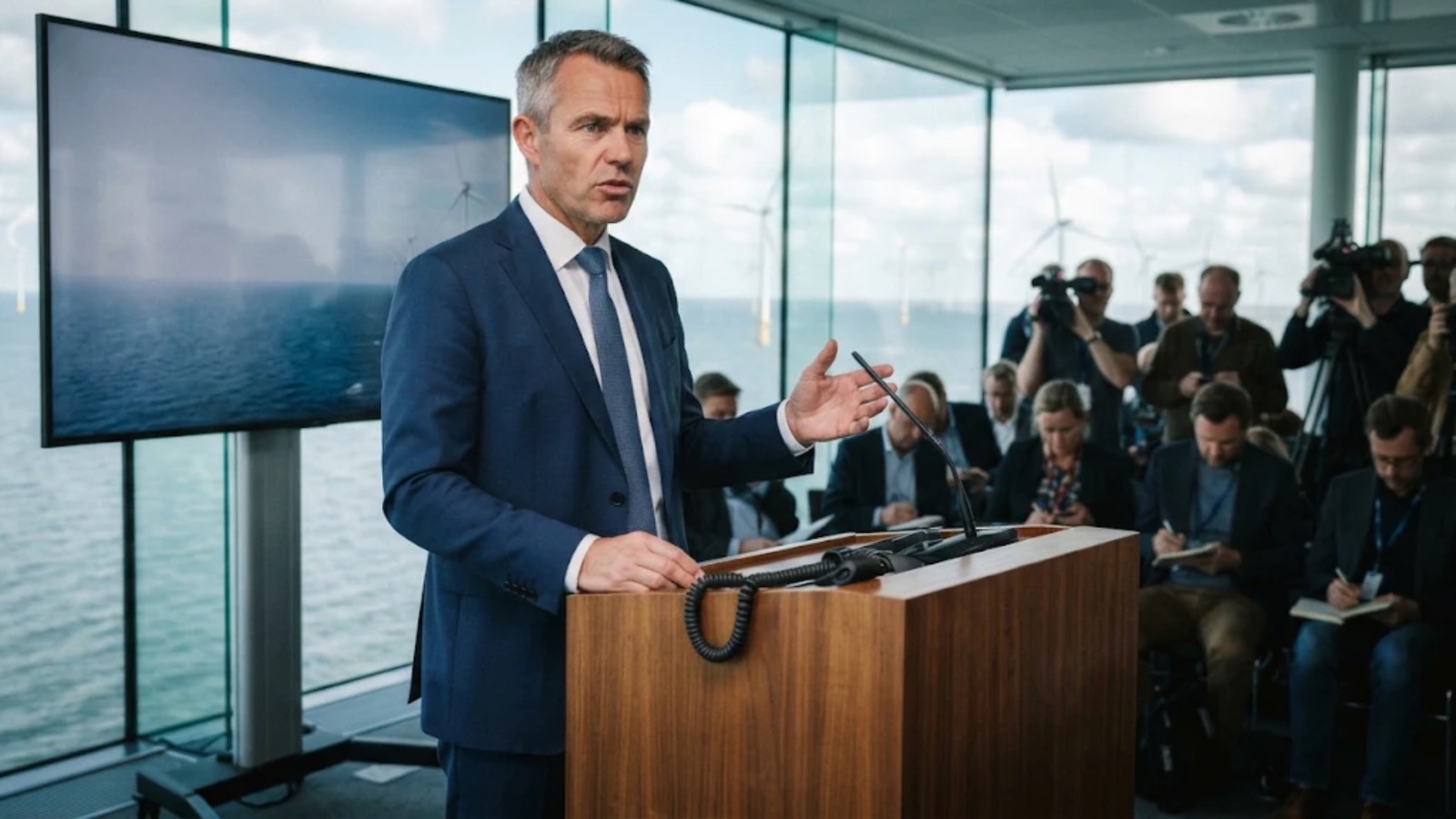
Europe’s shift towards renewable energy is creating a difficult question: who should control the technology powering its electricity supply? As wind farms become more important to the continent’s energy system, Vestas chief executive Henrik Andersen is calling for tougher EU rules on Chinese wind software and other technology used in critical infrastructure.
Read: Do you need a professional writer in 72 hours? Contact Auxi Chat
Andersen told Reuters on November 17 that the European Union should consider excluding Chinese components containing software from critical energy infrastructure. He argued that countries must retain control over equipment capable of affecting their power systems, particularly when that equipment is expected to operate for decades.
READ: JPMorgan Names Bregje de Best as Next Chief Financial Officer
His comments come as European authorities review cybersecurity requirements and Chinese wind turbine manufacturers seek a larger share of the European market. The debate brings together three major concerns: national security, the cost of renewable energy and the right of companies to compete fairly across international markets.
Why Vestas Wants Tougher EU Rules on Chinese Wind Software
Read: Need a professional website in 72 hours? Contact Auxi Chat
Andersen’s argument centres on the long working life of wind energy infrastructure. According to the Vestas chief, wind installations can remain in service for between 30 and 50 years. During that period, software may be updated, maintenance systems may be accessed remotely and the security environment may change significantly.
Modern wind turbines are not simply mechanical structures with rotating blades. They rely on digital controls, sensors and software to monitor performance, manage operations and support maintenance. If access to these systems is poorly controlled, the consequences could extend beyond an individual turbine to the wider energy network.
Andersen believes European policymakers should pay particular attention to who controls software, credentials and remote access to critical equipment.
He also proposed that approximately half of Europe’s wind assets should be made within Europe, while the software and control systems used in turbines should be assessed separately from the manufacturing requirement.
The distinction matters because the country where a turbine is manufactured does not necessarily determine who can access its digital systems. For regulators, the challenge is to establish safeguards that address the actual risks.
China’s Wind Turbine Manufacturers Face Greater Scrutiny
Chinese manufacturers are seeking to expand their presence in Europe’s renewable energy market, but concerns about cybersecurity have complicated their efforts.
One company under scrutiny is Ming Yang, a Chinese wind turbine manufacturer. A German developer dropped the company from a North Sea project in 2025, while Britain said in March 2026 that it would not support the use of Ming Yang turbines in UK offshore wind projects on security grounds.
Ming Yang has disputed the suggestion that its equipment should be excluded simply because it is Chinese. In a statement reported by Reuters, the company said turbine data are stored locally in Europe, operators retain control and remote access requires their explicit approval.
The company also supports applying cybersecurity requirements equally to suppliers. However, it favours assessments based on individual suppliers and verifiable safeguards rather than blanket exclusions based on national origin.
These competing positions highlight the difficulty facing European regulators. Security concerns need to be taken seriously, but restrictions must also be supported by evidence and clear standards.
EU Cybersecurity Rules Could Affect China-Europe Trade
The European Union is reviewing its cybersecurity framework as governments invest in electricity networks capable of handling more renewable energy. The proposed changes could influence which technologies and suppliers are considered acceptable for critical infrastructure.
China has warned that it could take countermeasures if the EU proceeds with its proposed Cybersecurity Act revisions. Chinese officials have argued that the approach could undermine technological neutrality and damage trade between China and Europe.
The dispute could therefore extend beyond wind turbines. Any restrictions affecting software and components used in critical infrastructure could influence investment decisions, supplier relationships and the cost of developing renewable energy projects.
For European developers, limiting the number of eligible suppliers could reduce choice or increase costs. At the same time, governments must consider whether dependence on technology controlled or accessed from abroad creates risks that cannot be adequately managed through ordinary procurement rules.
The final outcome will depend on the EU’s regulatory decisions. Andersen’s comments represent a call for tougher safeguards, not confirmation that European authorities have introduced a blanket ban on Chinese wind technology.
Vestas Calls for Fair Competition and Reciprocal Market Access
Andersen’s position also reflects a commercial dispute over access to China’s market.
He told Reuters that Chinese authorities had restricted Vestas from remotely monitoring sensors on its own turbines and updating their software from Europe, citing concerns about foreign access to China’s electricity grid.
Andersen argued that Europe should apply similar scrutiny to foreign technology and ensure that European companies receive fair treatment abroad. He said he did not support a blanket ban on Chinese components, while maintaining that security-sensitive technology required a stricter approach.
This distinction is important because Vestas is itself a commercial competitor in the global wind energy industry. Excluding Chinese rivals from European projects could benefit established European manufacturers, including Vestas. That commercial interest does not automatically invalidate the security argument, but it is relevant when assessing the proposal.
A credible EU policy would therefore need transparent criteria, independent technical assessments and rules that can be applied consistently. It would also need to distinguish between demonstrable cybersecurity risks and restrictions motivated mainly by competition.
What the Debate Means for Europe’s Renewable Energy Future
The argument over EU rules on Chinese wind software reflects a wider challenge facing countries investing heavily in clean energy. As electricity systems become more digital, the security of software and remote access becomes as important as the physical reliability of equipment.
READ: Obajana Cement Plant Cost Rose to $1 Billion, Dangote Says
European policymakers must balance protection against cyber threats with the need to build renewable energy capacity at a reasonable cost. Clear requirements covering access permissions, software updates, data handling and independent security testing could help developers understand what is expected of them.
The debate also raises questions about how Europe will manage its economic relationship with China. Tougher restrictions could strengthen domestic manufacturers and reduce certain dependencies, but they could also provoke trade retaliation or make renewable projects more expensive.
For now, Vestas is pressing the EU to take a firmer approach. The central question for European leaders is whether they can establish rules that protect critical energy infrastructure without undermining fair competition or slowing the transition to cleaner electricity.
The answer will help determine not only which turbines Europe installs, but also who controls the digital systems supporting its energy supply for decades to come.
The writer of this article does not claim to know the individuals named personally. The information about their backgrounds, as published on Global News Arena, is based on independent online research.
Are you interested in learning how to write professionally and earning money as a writer and content creator? Contact Auxi Chat today to start your writing journey immediately.
If you have an article, opinion piece, event or news story you would like published, Global News Arena would love to hear from you.
Are you interested in learning how to write professionally and earn money as a writer and content creator? Contact us today to start your writing journey immediately.
Need a professional website in 72 hours? Contact us
Do you need a professional writer in 72 hours? Contact us
If you have an article, guest story, event or news tip you would like published, Global News Arena would love to hear from you.