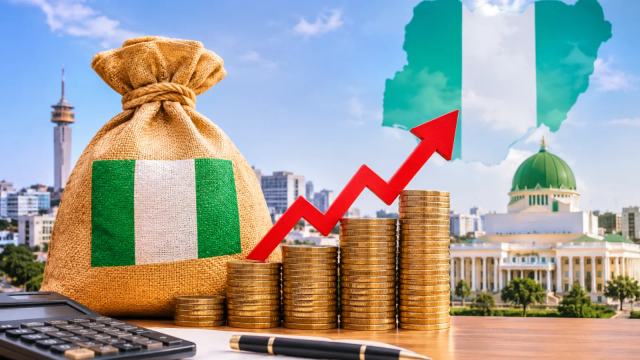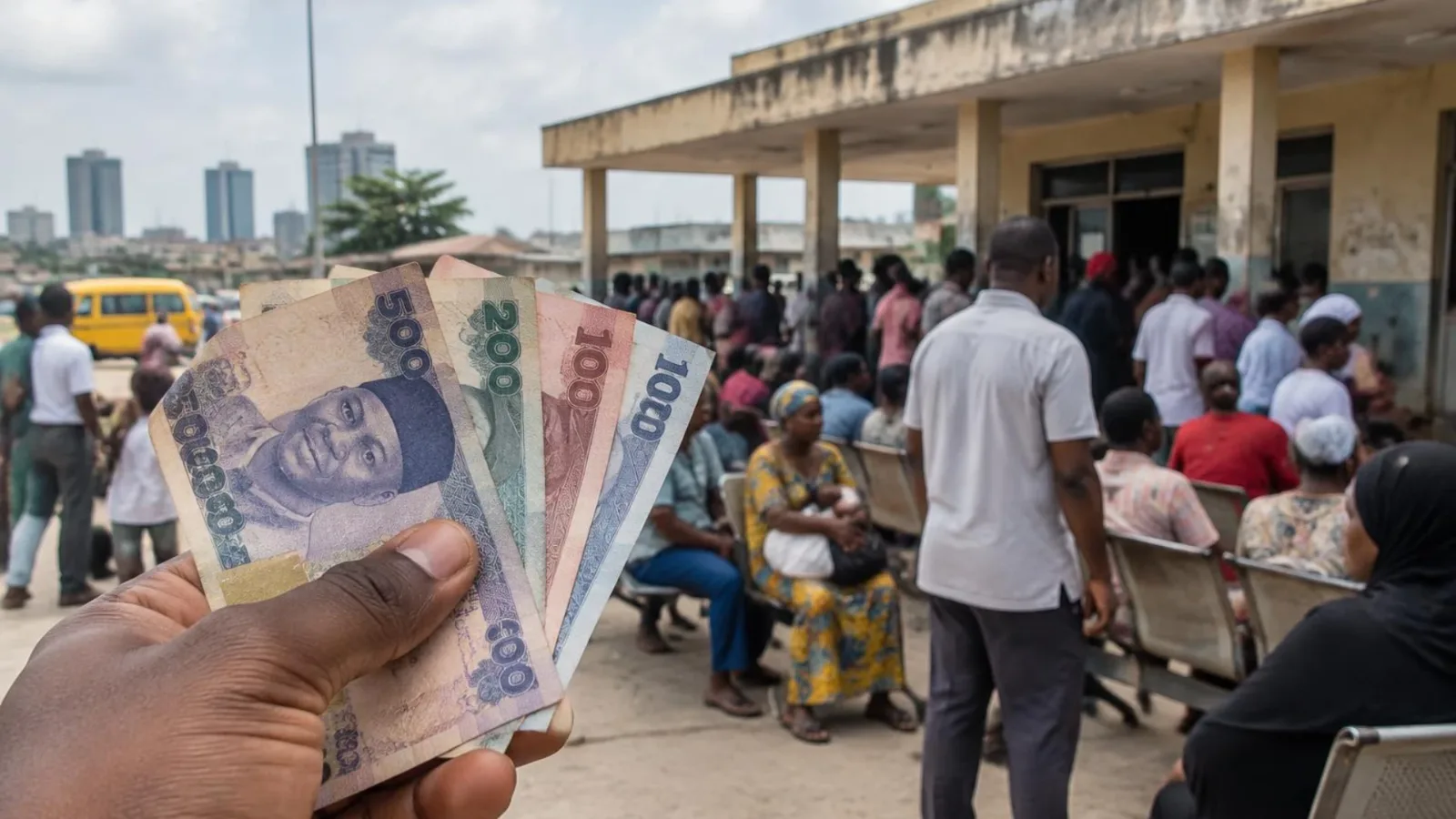
The Nigeria debt service revenue ratio could rise to 71.7 per cent by 2030, according to figures attributed to the Debt Management Office in reports published on November 10. The projection has renewed attention on the cost of servicing government debt and the amount of public income left for other national priorities.
READ: Nigeria Wants One Bond Market Across West Africa
Debt servicing refers to the money a government pays towards interest and the repayment of its loans. Governments borrow to fund projects and meet financial needs, but those loans create obligations that must be managed over time.
Read: Do you need a professional writer in 72 hours? Contact Auxi Chat
The concern is not simply that Nigeria has borrowed money. It is whether the country can generate enough revenue to meet its debt obligations while continuing to fund essential services and support economic development.
READ: US, Russia and Ukraine Meet for Peace Talks
What the Nigeria Debt Service Revenue Ratio Means
The debt service revenue ratio compares the money used to service debt with the revenue available to the government. A higher ratio means a larger share of that income is committed to debt payments.
Read: Need a professional website in 72 hours? Contact Auxi Chat
If the ratio reaches 71.7 per cent, it would mean that, for every ₦100 in the revenue measured, about ₦71.70 would be required for debt servicing, assuming the projection uses the same definitions and period for both figures.
That would leave a much smaller share for other spending before accounting for the government's remaining obligations. However, the ratio is not the same as the country's total debt compared with the size of its economy, and it should not be interpreted as meaning that 71.7 per cent of every naira collected by every level of government automatically goes towards debt.
The exact implications depend on the revenue measure used, the structure of the debt and the period covered by the projection.
The reported outlook is important because governments need sufficient revenue to pay workers, maintain infrastructure, support public institutions and provide services. When debt payments take up a large share of available funds, those responsibilities can become harder to balance.
Why Nigeria's Debt Payments Matter
Nigeria needs funding for roads, electricity, healthcare, education, security and other public priorities. Borrowing can help pay for projects that might otherwise take years to finance, particularly when the investment supports economic activity and generates long-term benefits.
But borrowing also creates costs. Interest payments can increase the pressure on government budgets, especially when revenue grows slowly or financing becomes more expensive.
The relationship between borrowing and revenue is therefore central to fiscal planning. A government with strong and predictable income may find it easier to manage its obligations than one that depends on limited or unstable sources of revenue.
The Nigeria debt service revenue ratio is a useful indicator because it focuses attention on the government's ability to meet its debt obligations from the income available to it.
A rising ratio does not, by itself, prove that a country is unable to repay its loans. It does, however, signal the need to examine revenue collection, spending priorities, borrowing costs and the economic returns expected from public investments.
How Government Revenue Affects the Economy
Government revenue determines how much money public authorities can raise to support their responsibilities. When revenue is weak, governments may face difficult decisions about which projects to fund, which expenses to delay and how to manage new borrowing.
For Nigeria, improving revenue collection and reducing wasteful spending are important parts of managing public finances. A broader productive economy can also help by supporting businesses, creating jobs and increasing legitimate economic activity.
However, raising more revenue must be handled carefully. Policies that increase the burden on households and businesses without improving services or economic opportunities can create additional hardship.
Government spending also matters. Borrowing is more likely to support long-term development when it funds productive projects that improve transport, electricity, education, healthcare and the conditions businesses need to grow.
If borrowed money is poorly managed or projects fail to deliver their expected benefits, the debt obligation can remain even when the anticipated economic gains do not materialise.
What Nigeria Can Do to Manage Debt Pressure
A sustainable approach to public debt requires attention to both revenue and spending.
First, the government can work to improve the collection of existing taxes and other lawful revenue without placing unnecessary pressure on compliant taxpayers. Better administration, reduced leakages and a stronger formal economy can help public authorities collect revenue more effectively.
Second, spending decisions need to focus on value. Projects should be assessed according to their costs, likely benefits and importance to the public. Transparent procurement and stronger oversight can help reduce waste and improve accountability.
Third, borrowing should be linked to clear financing plans. Authorities need to consider interest rates, repayment schedules, currency risks and the ability of projects to deliver economic benefits over time.
Finally, the government should communicate clearly about its borrowing plans and debt obligations. Reliable public information helps citizens, investors and businesses understand the country's fiscal position.
READ: Air Peace Removes Passenger After Plane Dispute
These measures cannot remove debt costs overnight, but they can improve the way public finances are managed.
What the Debt Outlook Means for Nigerians
For ordinary citizens, the issue is ultimately about the quality of public services and the country's ability to invest in its future.
When a large share of public revenue goes towards debt servicing, governments may have less flexibility to respond to emergencies, maintain infrastructure or expand essential services. The actual impact depends on budget decisions and how revenue and spending change over time.
Businesses also watch the country's fiscal position because borrowing costs, taxation, public investment and economic confidence can influence decisions about expansion and employment.
The reported Nigeria debt service revenue ratio projection is therefore an important warning sign to monitor, not a final verdict on the economy. Its implications will depend on how revenue develops, how much the government borrows and whether public spending produces lasting value.
Nigeria's challenge is to meet its financial obligations while ensuring that borrowing supports development rather than becoming a growing barrier to it. Achieving that balance will require careful planning, transparent spending and sustained efforts to strengthen the country's revenue base.
Are you interested in learning how to write professionally and earn money as a writer and content creator? Contact Auxi Chat today to start your writing journey immediately.
Need a professional website in 72 hours? Contact Auxi Chat
If you have an article, opinion piece, event or news story you would like published, Global News Arena would love to hear from you.